In the ever-evolving landscape of real estate, buying an income property can be a daunting yet rewarding venture for first-time investors. As highlighted in a comprehensive article from Investopedia, navigating the complex world of real estate requires a keen eye for detail and thorough research. Here are the 10 crucial factors to consider when embarking on this investment journey.

1. Neighborhood

The character of a neighborhood plays a pivotal role in determining the type of tenants you attract and the vacancy rates you might face. For instance, properties near universities often draw student tenants, which could lead to seasonal vacancies during academic breaks.

2. Property Taxes

Property taxes can significantly impact your net income. While high taxes might be acceptable in lucrative areas, they should be weighed against the neighborhood’s prospects.

3. Schools

For family-sized rental properties, the quality of local schools is paramount. Good schools can enhance property value, while a lack of quality education facilities might detract from it.

4. Crime Levels

Ensuring your property is located in a safe area is critical. Accurate crime statistics are essential to maintaining the property’s appeal to potential tenants.

5. Job Market

Locations with growing employment opportunities are attractive to potential tenants. An announcement of a major company moving into the area often signals a robust rental market.

6. Amenities

Proximity to parks, restaurants, gyms, and public transport can significantly enhance the appeal of your property to prospective tenants.

7. Future Development

Investigating municipal plans for area development is crucial. New construction can affect property values, either positively or negatively.

8. Listings and Vacancies

A high number of listings and vacancies might indicate a declining area, which could force landlords to lower rents.

9. Average Rents

Ensure the property can generate sufficient income to cover expenses such as mortgage and taxes by researching average rents in the area.

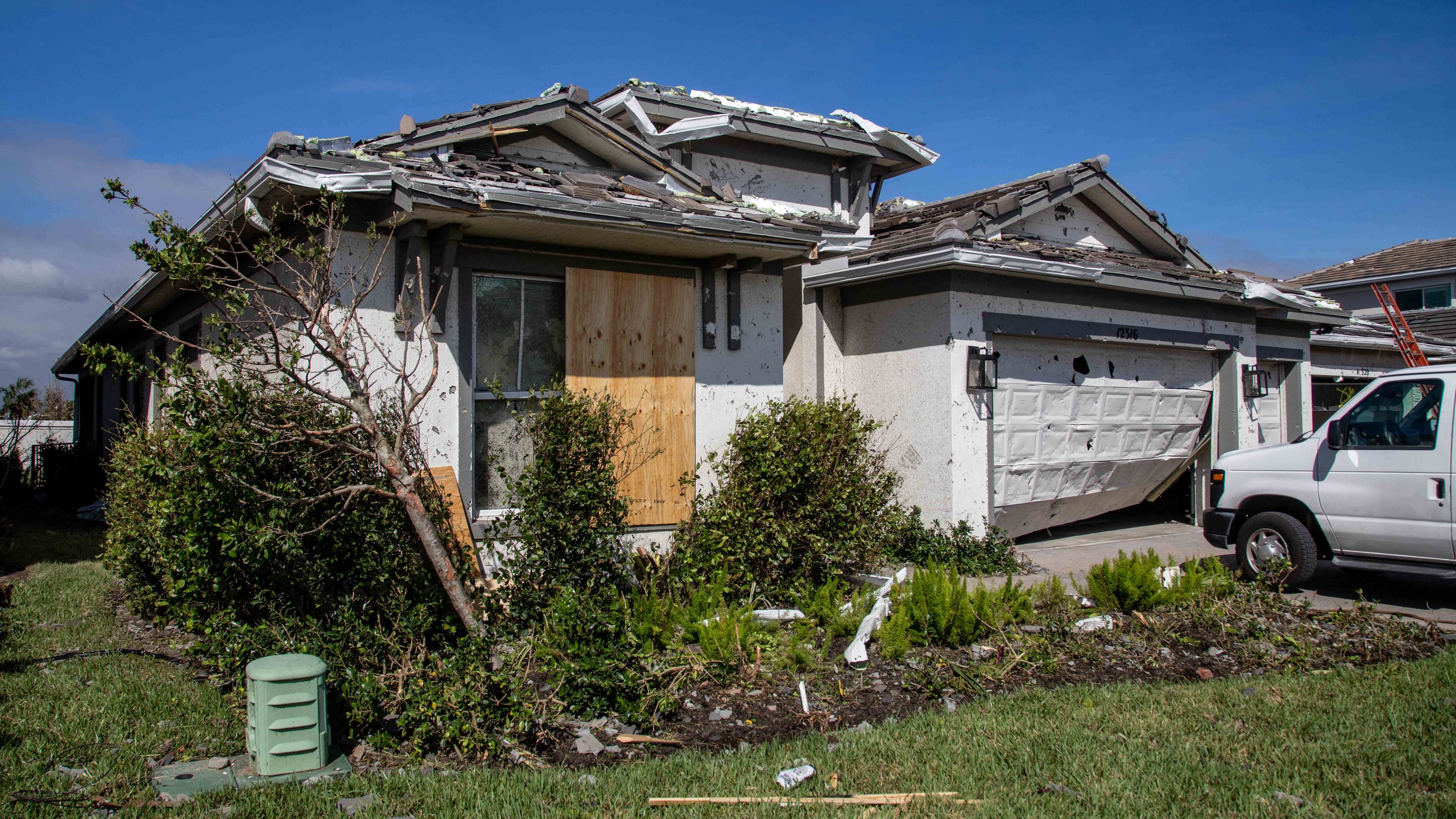
10. Natural Disasters

Consider insurance costs, especially in areas prone to natural disasters like floods or earthquakes, as they can significantly eat into profits.

Buying an Income Property: A Step-by-Step Guide

Begin your search independently to avoid pressure from agents and focus on critical property characteristics. Decide whether you’ll manage the property yourself or hire a manager to free yourself from proximity constraints. Speak with locals, including renters, for genuine neighborhood insights. Single-family homes or condos typically represent good starting investment properties due to lower maintenance and steadier rental income.

Project cash flow by checking both purchase price trends and future rent potential after renovations. Ensure financial feasibility by calculating if rental income exceeds mortgage, taxes, and other costs. Secure adequate landlord insurance and anticipate higher lending standards for investment property mortgages.

In conclusion, investing in real estate is not for the faint-hearted. It requires careful research to identify properties that align with your financial aspirations and management capacity. Each property is unique, and maintaining a clear eye on both present opportunities and future market conditions is essential for a successful investment journey.


More Articles

Getting licensed or staying ahead in your career can be a journey—but it doesn’t have to be overwhelming. Grab your favorite coffee or tea, take a moment to relax, and browse through our articles. Whether you’re just starting out or renewing your expertise, we’ve got tips, insights, and advice to keep you moving forward. Here’s to your success—one sip and one step at a time!

The 2026 CRE Tech Revolution: How Data, Automation, and AI Are Rewriting Commercial Real Estate

Commercial real estate is entering its most transformative era yet. In 2026, success hinges on mastering predictive analytics, smart‑building automation, and sustainability tech—tools that now determine everything from ROI forecasting to tenant retention. As PropTech evolves into an interconnected ecosystem of AI, automation, and ESG‑driven systems, CRE professionals who embrace this shift will lead the next generation of market innovation, while those who rely on traditional instincts risk being left behind.

Florida’s Mobile Home Rent Shake‑Up: New Bills Aim to Rein In Rent Hikes and Boost Tenant Protections

Florida lawmakers are pushing major reforms that could dramatically change life for more than 800,000 mobile home park residents. New bills would force park owners to justify rent increases, expand relocation assistance, strengthen tenant rights, and add penalties for reducing amenities without lowering rent. With many residents facing steep price jumps on fixed incomes, the proposed laws mark one of the state’s biggest moves toward accountability and transparency in decades — and real estate professionals will need to stay informed as the changes progress.

Mortgage Refinance Surge Faces Sudden Reversal as Rates Jump Again

Refinance activity exploded for a second straight week as mortgage rates briefly dipped to their lowest levels since late 2024. Homeowners rushed to lock in savings, pushing refinance applications to nearly triple last year’s volume. But the momentum may be short‑lived. Early this week, rates spiked again as markets reacted to new tariff concerns and global uncertainty, erasing much of the recent progress. Both refinance and purchase demand remain strong, but volatility continues to challenge borrowers and professionals across the real estate and mortgage sectors.

Welcome to the Age of the AI Real Estate Agent

The real estate industry has officially entered its AI era, with agents across the country adopting advanced tools that streamline workflow, boost productivity, and transform daily operations. According to a new HousingWire report, tasks that once took hours now take minutes, agents are seeing up to 40 percent productivity growth, and unified AI platforms are helping brokerages deliver faster, smarter, and more personalized marketing than ever before.

Hawai‘i’s 2026 Economic Crossroads: A State in Transition with Opportunities for Professionals

Hawai‘i enters 2026 with a mix of strength and vulnerability. Construction is booming with billions in federal and military projects, yet tourism—the backbone of the local economy—is slowing at a difficult moment. Real estate shows early signs of revival as mortgage rates fall, while health care, small business, and banking navigate shifting federal funding and economic uncertainty. For professionals across real estate, finance, construction, and other licensed industries, Hawai‘i offers a clear preview of the economic pressures and emerging opportunities taking shape nationwide.

Florida’s Insurance Crisis Finally Shows Relief as Lawmakers Push for More Consumer‑Focused Reforms

Florida’s property insurance market is stabilizing after years of turmoil, but lawmakers say the job isn’t done. New proposals target profit‑sharing oversight, premium transparency, and a statewide claim‑free discount program—offering potential relief for homeowners and key insights for real estate and mortgage professionals navigating the shifting landscape.