10 Real Estate Concepts You Need to Know: My (Slightly Overwhelmed) Reaction to Prep Agent’s Crash Course
Alright, imagine this: you want to become a real estate mogul—or maybe you just need your real estate license so you can finally stop fantasizing about flipping that shady duplex down the block. Either way, you’ve got to pass your real estate exam. And if, like me, you’ve ever felt the creeping doom of important information flying over your head, then Joe from Prep Agent is absolutely your guy.
Joe’s latest breakdown of “10 Concepts You Must Know to Pass Your Real Estate Exam” feels like drinking from a firehose—but in the best way possible. Picture a no-nonsense friend who drags you through all the need-to-know basics, but does it with the tough love of a coach who really wants you to win—and maybe yell “studs” under your breath at practice.
So, buckle up. I’m here to unpack Joe’s crash course in a somewhat digestible (and hopefully entertaining) way while processing how I, too, might survive this mental workout.
Real Property vs. Personal Property: What’s Planting Roots and What’s Hitting the Road?
First up, Joe hit us with the concept that real property is immovable (think land, buildings, the roots of your sanity), while personal property is movable (shoes, maybe your coffee maker if you’re civilized, or even your lease agreement).
“Real property goes to the REAL estate; personal property goes with the PERSON.”
Easy enough, right? Except now I’m looking at my potted plant wondering if I’d have the emotional bandwidth to let it go during a sale. (Spoiler: I wouldn’t. It’s coming with me. Thanks, Joe.)
Estates: Freehold, Not-So-Freehold, and Deadbeat Tenants
Let’s talk estates. Apparently, there are freehold estates (aka you own it forever) and less than freehold estates (leases that come with expiry dates). The part that stuck in my brain like peanut butter? Joe calling tenants who overstay their welcome a “deadbeat tenant.” Honestly, iconic.
Estates for years (think a summer rental)
Periodic tenancy (month-to-month rentals)
Estate at will (a wildcard lease that could poof into thin air)
Estate at sufferance (translation: “Please leave; you’re here too long.”)
Freehold estates, on the other hand, are where the real drama lives—are you sipping a life estate or skipping alcohol sales on your property because of a weird condition? Don’t worry; Joe’s got you covered.
P.E.T.E. the Power-Hungry Uncle: Government Powers
When Joe mentioned P.E.T.E., I immediately imagined a guy at Thanksgiving who constantly chimes in with unsolicited advice (and occasional ultimatums). P.E.T.E. is all about government powers:
Police Power: “You can keep your home, but you will follow zoning laws.”
Eminent Domain: “We’re taking this for a freeway, but here’s a check.”
Taxation: Pay the man.
Escheat: No heirs? Your property goes to the state.
PETE doesn’t mess around.
Ownership: Are You Flying Solo or Part of a Real Estate Squad?
Here’s where joint tenancy and tenancy in common entered the chat. If you’re into acronyms, joint tenancy sounds like #SquadGoals: T-TIP (time, title, interest, and possession shared equally). If one buddy kicks the bucket, the others absorb their share like some kind of financial photosynthesis. With tenancy in common, however, everyone gets their own slice of the pie. Die? Your slice goes to your heirs. A tidy way of saying, “You do you, boo.”
S.T.U.D. (or D.U.S.T.): Essential Elements of Value
Scarcity, Transferability, Utility, and Demand. Without these, your property value might as well be imaginary.
For instance, being the only house on an island (scarcity) = cha-ching. Living behind an airport (low utility)? Maybe not so much.
Depreciation: When Stuff Falls Apart
Economic obsolescence: External problems (e.g., neighbors with backyard chickens).
Functional obsolescence: Bad designs (e.g., no bathrooms in your 10-bedroom house).
Physical deterioration: Your house is straight-up falling apart.
The Market Data Approach vs. The “How Much Do Shoes Cost?” Method
Fair pricing boils down to:
Market Data Approach: It’s like saying, “These sneakers cost $100 at three stores, so I guess that’s the fair price!”
Cost Replacement Approach: Replacing the structure piece by piece.
Income Capitalization Approach: How much rental income will this generate?
Special shoutout to libraries, schools, and police stations for transcending traditional valuation metrics. We see you.
Deeds vs. Titles: The “Marriage Certificate” of Real Estate
Deed: Proof of ownership transferring. Title: Actual ownership. Simple. Just don’t confuse it with a marriage certificate, which is…well, another story.
Fair Housing Laws: Don’t Steer, Blockbust, or Redline—Ever
Joe wrapped up strong with concepts that everyone (not just future agents) should know:
Steering: Don’t guide buyers based on race or ethnicity.
Blockbusting and panic selling: Big no.
Redlining: Drawing circles to exclude areas from lending? Hard pass.
This isn’t just about the exam—these are the basics of being a decent human being who understands 1968 was a pivotal year.
Let’s Hear It for Joe…and the Hustle!
I’ve gotta hand it to Joe—he didn’t just outline 10 real estate concepts; he threw in memory hacks (thank you, T-TIP and S.T.U.D.), dad jokes (here’s looking at you, “deadbeat tenants”), and the kind of brutally honest perspective I personally find refreshing.
Seriously, if you’re prepping for the exam or just curious about dipping your toes into real estate, Joe’s content lays a solid base—even if your brain feels like mush afterward.
What about you? Are you knee-deep in real estate study prep or just mildly intrigued by all the acronyms? Share your experiences in the comments below. And hey, don’t forget: real property stays; personal property goes. That’s advice for real estate and life.
Select options
This product has multiple variants. The options may be chosen on the product page
Details
More Articles
Getting licensed or staying ahead in your career can be a journey—but it doesn’t have to be overwhelming. Grab your favorite coffee or tea, take a moment to relax, and browse through our articles. Whether you’re just starting out or renewing your expertise, we’ve got tips, insights, and advice to keep you moving forward. Here’s to your success—one sip and one step at a time!
While most people chase AI stocks or compete for high‑pressure tech jobs, the real opportunity may be unfolding in AI boomtown real estate. As companies like OpenAI, Anthropic, Microsoft, and NVIDIA mint new waves of wealthy workers, demand for housing in key cities is exploding. From San Francisco to Austin, AI‑driven markets are seeing rising rents, limited inventory, and buyers preparing for massive IPO windfalls. For real estate professionals—or anyone entering the field—this surge represents one of the strongest long‑term opportunities in the industry.
Florida is ending its 1 percent emergency insurance surcharge two years ahead of schedule, saving homeowners an estimated 650 million dollars through 2028. Thanks to a calm hurricane season, fewer insurer failures, and reduced lawsuits, officials say the state’s property insurance market is now in its strongest financial position in a decade. The change offers relief for homeowners and new momentum for Florida’s real estate industry, where lower insurance costs can boost buyer confidence and support smoother transactions.
A growing political push to block institutional investors from buying single-family homes may sound like a pro-homeowner policy, but the data shows it could do the opposite. Younger and racially diverse renters rely heavily on single-family rentals as an affordable, stable alternative to buying—yet restricting investor participation would shrink this supply, pushing many families into overcrowded housing, motels, or homelessness. The real issue isn’t who buys the homes, but that America doesn’t have enough of them.
Zillow’s 2026 Agent Trends Survey reveals a major shift in what agents value most: technology that reduces mental drain. Nearly half of agents now use AI tools daily, yet most still juggle multiple platforms that sap their focus. Zillow’s upcoming unified platform, Zillow Pro, aims to streamline workflows and cut cognitive load. The survey also highlights key industry trends, including buyer financial literacy gaps, the importance of relationships for lead generation and the growing need for tech fluency among both new and seasoned real estate professionals.
Florida’s housing market is still surging, with luxury enclaves like Lake Buena Vista, Jupiter Island, and Golden Beach seeing massive six‑figure price jumps in just one year. Smaller towns such as Old Town, Cross City, and Hosford also posted steady gains, proving demand is rising statewide. For real estate professionals, these trends highlight where buyers are moving, where inventory is tight, and where future opportunities lie—making market literacy an essential advantage for anyone pursuing or expanding a career in Florida real estate.
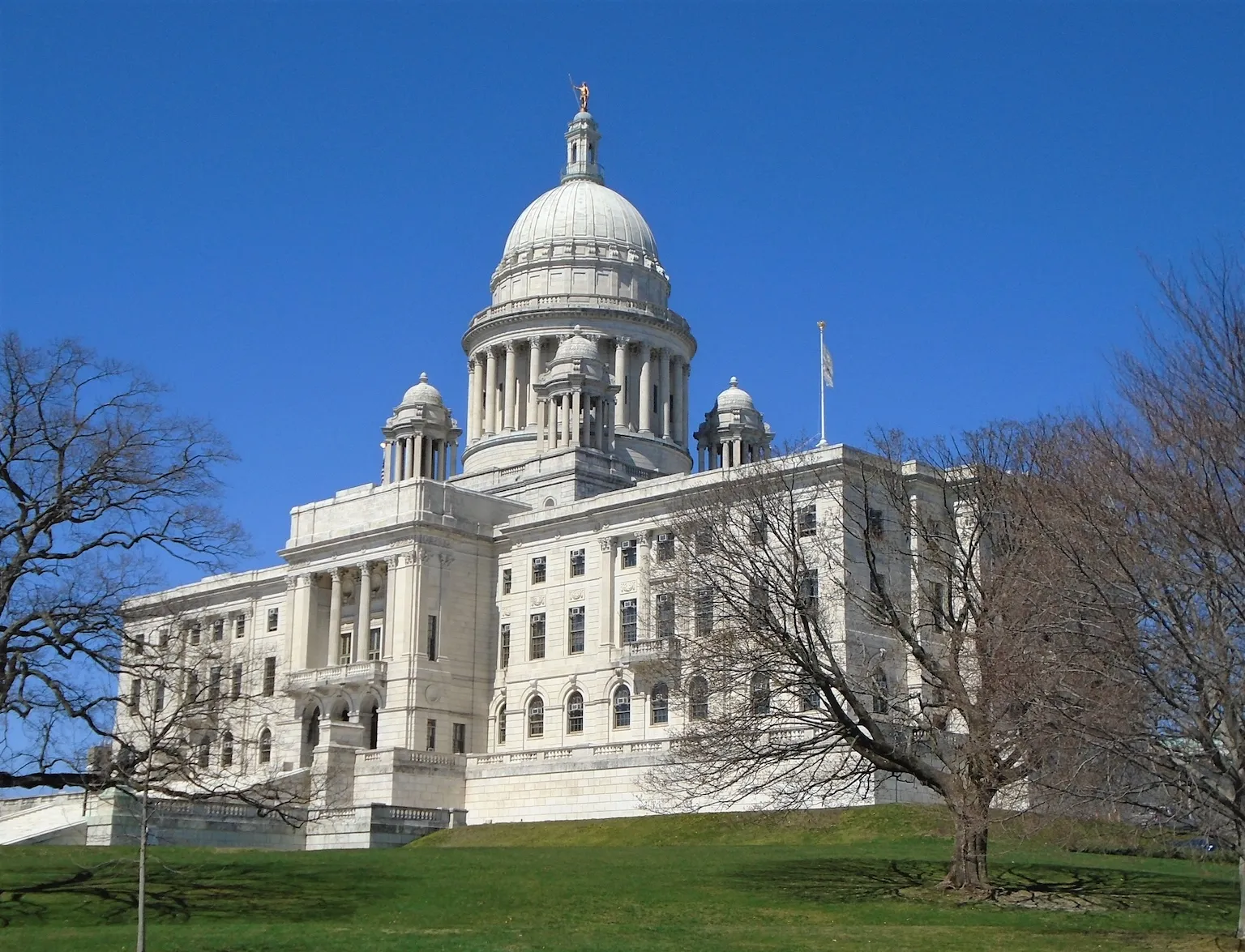
Rhode Island is launching its sixth major housing reform package, aiming to boost affordability through zoning updates, lot splits, code changes, and the revival of single room occupancy and co‑living housing. With the state still recovering from years of underbuilding and soaring home prices, lawmakers hope these reforms will unlock new supply, ease pressure on renters and buyers, and create fresh opportunities for real estate professionals.