10 Real Estate Concepts You Need to Know: My (Slightly Overwhelmed) Reaction to Prep Agent’s Crash Course
Alright, imagine this: you want to become a real estate mogul—or maybe you just need your real estate license so you can finally stop fantasizing about flipping that shady duplex down the block. Either way, you’ve got to pass your real estate exam. And if, like me, you’ve ever felt the creeping doom of important information flying over your head, then Joe from Prep Agent is absolutely your guy.
Joe’s latest breakdown of “10 Concepts You Must Know to Pass Your Real Estate Exam” feels like drinking from a firehose—but in the best way possible. Picture a no-nonsense friend who drags you through all the need-to-know basics, but does it with the tough love of a coach who really wants you to win—and maybe yell “studs” under your breath at practice.
So, buckle up. I’m here to unpack Joe’s crash course in a somewhat digestible (and hopefully entertaining) way while processing how I, too, might survive this mental workout.
Real Property vs. Personal Property: What’s Planting Roots and What’s Hitting the Road?
First up, Joe hit us with the concept that real property is immovable (think land, buildings, the roots of your sanity), while personal property is movable (shoes, maybe your coffee maker if you’re civilized, or even your lease agreement).
“Real property goes to the REAL estate; personal property goes with the PERSON.”
Easy enough, right? Except now I’m looking at my potted plant wondering if I’d have the emotional bandwidth to let it go during a sale. (Spoiler: I wouldn’t. It’s coming with me. Thanks, Joe.)
Estates: Freehold, Not-So-Freehold, and Deadbeat Tenants
Let’s talk estates. Apparently, there are freehold estates (aka you own it forever) and less than freehold estates (leases that come with expiry dates). The part that stuck in my brain like peanut butter? Joe calling tenants who overstay their welcome a “deadbeat tenant.” Honestly, iconic.
Estates for years (think a summer rental)
Periodic tenancy (month-to-month rentals)
Estate at will (a wildcard lease that could poof into thin air)
Estate at sufferance (translation: “Please leave; you’re here too long.”)
Freehold estates, on the other hand, are where the real drama lives—are you sipping a life estate or skipping alcohol sales on your property because of a weird condition? Don’t worry; Joe’s got you covered.
P.E.T.E. the Power-Hungry Uncle: Government Powers
When Joe mentioned P.E.T.E., I immediately imagined a guy at Thanksgiving who constantly chimes in with unsolicited advice (and occasional ultimatums). P.E.T.E. is all about government powers:
Police Power: “You can keep your home, but you will follow zoning laws.”
Eminent Domain: “We’re taking this for a freeway, but here’s a check.”
Taxation: Pay the man.
Escheat: No heirs? Your property goes to the state.
PETE doesn’t mess around.
Ownership: Are You Flying Solo or Part of a Real Estate Squad?
Here’s where joint tenancy and tenancy in common entered the chat. If you’re into acronyms, joint tenancy sounds like #SquadGoals: T-TIP (time, title, interest, and possession shared equally). If one buddy kicks the bucket, the others absorb their share like some kind of financial photosynthesis. With tenancy in common, however, everyone gets their own slice of the pie. Die? Your slice goes to your heirs. A tidy way of saying, “You do you, boo.”
S.T.U.D. (or D.U.S.T.): Essential Elements of Value
Scarcity, Transferability, Utility, and Demand. Without these, your property value might as well be imaginary.
For instance, being the only house on an island (scarcity) = cha-ching. Living behind an airport (low utility)? Maybe not so much.
Depreciation: When Stuff Falls Apart
Economic obsolescence: External problems (e.g., neighbors with backyard chickens).
Functional obsolescence: Bad designs (e.g., no bathrooms in your 10-bedroom house).
Physical deterioration: Your house is straight-up falling apart.
The Market Data Approach vs. The “How Much Do Shoes Cost?” Method
Fair pricing boils down to:
Market Data Approach: It’s like saying, “These sneakers cost $100 at three stores, so I guess that’s the fair price!”
Cost Replacement Approach: Replacing the structure piece by piece.
Income Capitalization Approach: How much rental income will this generate?
Special shoutout to libraries, schools, and police stations for transcending traditional valuation metrics. We see you.
Deeds vs. Titles: The “Marriage Certificate” of Real Estate
Deed: Proof of ownership transferring. Title: Actual ownership. Simple. Just don’t confuse it with a marriage certificate, which is…well, another story.
Fair Housing Laws: Don’t Steer, Blockbust, or Redline—Ever
Joe wrapped up strong with concepts that everyone (not just future agents) should know:
Steering: Don’t guide buyers based on race or ethnicity.
Blockbusting and panic selling: Big no.
Redlining: Drawing circles to exclude areas from lending? Hard pass.
This isn’t just about the exam—these are the basics of being a decent human being who understands 1968 was a pivotal year.
Let’s Hear It for Joe…and the Hustle!
I’ve gotta hand it to Joe—he didn’t just outline 10 real estate concepts; he threw in memory hacks (thank you, T-TIP and S.T.U.D.), dad jokes (here’s looking at you, “deadbeat tenants”), and the kind of brutally honest perspective I personally find refreshing.
Seriously, if you’re prepping for the exam or just curious about dipping your toes into real estate, Joe’s content lays a solid base—even if your brain feels like mush afterward.
What about you? Are you knee-deep in real estate study prep or just mildly intrigued by all the acronyms? Share your experiences in the comments below. And hey, don’t forget: real property stays; personal property goes. That’s advice for real estate and life.
“`
More Articles
Getting licensed or staying ahead in your career can be a journey—but it doesn’t have to be overwhelming. Grab your favorite coffee or tea, take a moment to relax, and browse through our articles. Whether you’re just starting out or renewing your expertise, we’ve got tips, insights, and advice to keep you moving forward. Here’s to your success—one sip and one step at a time!
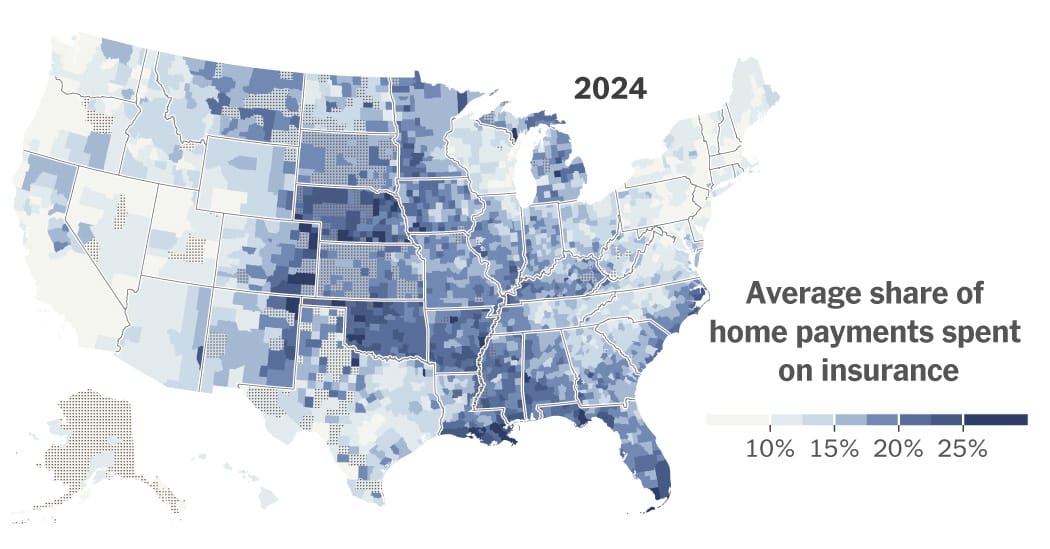
A surge in home insurance premiums is reshaping housing markets across the country, hitting disaster‑prone regions the hardest. From Louisiana to Colorado and California, deals are collapsing, buyers are backing out, and home values are dropping as insurance becomes a central affordability hurdle. New data shows climate‑driven risk repricing and soaring reinsurance costs are stripping tens of thousands of dollars from property values, forcing some homeowners to sell at a loss—or go uninsured altogether.
After years of sluggish activity, the National Association of REALTORS predicts 2026 could mark the long‑awaited rebound for the housing market. With a projected 14% jump in home sales, steadier rates near 6%, and rising buyer activity, NAR economists say momentum is already building. Early signs—like a 31% surge in mortgage applications, continued job growth, and stabilizing prices—suggest a stronger, more confident market ahead, creating fresh opportunities for both seasoned professionals and aspiring agents preparing to enter the field.
A surge of global capital is reshaping real estate heading into 2026, with investors shifting toward hands‑on strategies, cross‑border diversification, and high‑growth asset classes like data centers. Colliers’ 2026 Global Investor Outlook highlights rising confidence, improving liquidity, and a major pivot toward direct investing and value‑add opportunities. From office market rebounds to Asia Pacific’s rapid fundraising growth, the report outlines trends every real estate professional should understand as the industry enters a more dynamic, opportunity‑rich cycle.
Culver City just became the first place in California to legalize six‑story apartment buildings with only one staircase — a simple change that could reshape mid‑rise housing statewide. By freeing up as much as 7% more usable floor space, architects say single‑stair designs allow bigger units, more windows, and the kind of elegant layouts common in New York and Europe. If the city’s six‑year experiment succeeds, it may spark a broader rethinking of U.S. building codes and open the door to more flexible, affordable multifamily development across California.
Stratford homeowners are receiving their 2025 Notices of Assessment Change, marking the town’s first property revaluation since 2019. Officials emphasize that rising assessments do not equal higher tax bills, as a new mill rate won’t be set until spring 2026. Residents can challenge or review their updated valuations through informal hearings hosted by Vision Government Solutions, with appointments available for one week after receiving a notice.
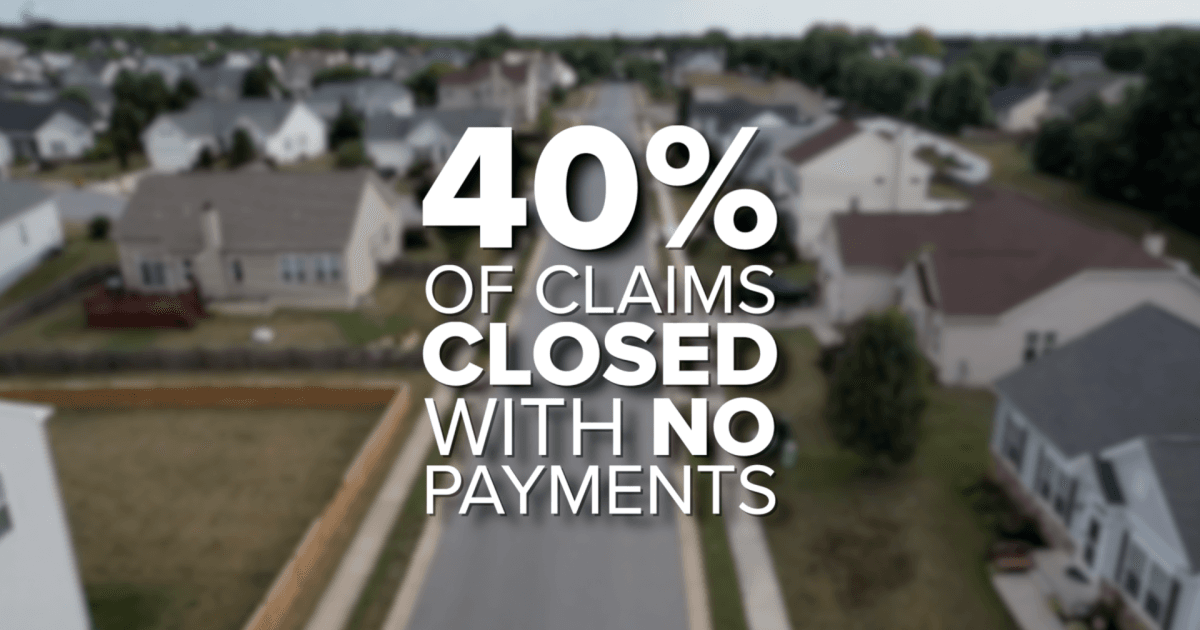
New reporting reveals Florida homeowners now face an average insurance premium of $5,838 per year — nearly triple the national average. With skyrocketing rates, denied claims, and mounting non-renewals, residents are being pushed to tough financial decisions while lawmakers scramble to implement reforms. From retirees skipping coverage to families battling insurers for fair payouts, Florida’s insurance crisis is reshaping both the housing market and the daily lives of homeowners statewide.