The real estate industry is akin to a thrilling rollercoaster ride, where agents find themselves soaring with successful deals one moment, only to confront unforeseen challenges the next. In such a dynamic field, cultivating a resilient mindset is not just beneficial—it’s essential. As we step into a new year, embracing strategies that foster growth and adaptability can be the key to thriving in this unpredictable landscape.
1. Embrace a Growth Mindset
Believing in the potential for growth through learning and experience is the cornerstone of a growth mindset. This attitude encourages resilience and openness to feedback, turning setbacks into stepping stones. When a deal doesn’t pan out as expected, reflect and learn from it. This approach not only strengthens your career foundation but also opens doors to new opportunities.
2. Set Clear Goals
Setting clear and achievable goals can transform overwhelming targets into manageable tasks. Break down your annual objectives into quarterly, monthly, or even weekly milestones. This method not only keeps you motivated but also allows for strategic adjustments along the way. For more guidance, explore An Agent’s Guide to Goal-Setting.
3. Visualize Your Success
Incorporating visualization into your morning routine can set a positive tone for the day. Spend a few moments picturing a successful day, from smooth client meetings to closing deals. This practice can boost your confidence and focus.
4. Learn from Failures
Failures are inevitable but serve as powerful teachers. Instead of moving on quickly, analyze what went wrong and how you can improve. Each setback provides valuable lessons, enhancing your strategic and resilient capabilities.
5. Turn Challenges into Opportunities
Adopt an abundance mindset by viewing challenges as opportunities. A tough market might push you to explore new strategies or niches. This perspective shift can inspire creative solutions and uncover hidden opportunities.
6. Step Outside Your Comfort Zone
Growth happens outside the comfort zone. Experiment with new marketing tactics or attend unfamiliar networking events. Embrace the excitement of the unknown to unlock potential and expand your professional network.
7. Seek Mentorship
A mentor can provide invaluable guidance and insights. Learning from someone with experience can accelerate your growth and help you avoid common pitfalls. Consider finding a mentor through the NAR Spire Program.
8. Celebrate Success and Practice Gratitude
Recognize and celebrate your achievements, no matter how small. This practice boosts motivation and fosters a positive work environment. Additionally, expressing gratitude towards clients and colleagues can strengthen relationships.
9. Commit to Continuous Learning
The real estate industry is ever-evolving, and staying ahead requires a commitment to continuous learning. Attend workshops, listen to industry podcasts, or enroll in online courses to enhance your knowledge and skills.
10. Build Strong Relationships
Success in real estate is built on strong relationships. Use a CRM tool to keep track of important dates and maintain regular contact with clients. Consistently adding value to your network will ensure long-term support and success.
Long-Term Achievements through Positive Mindset Shifts
Adopting these mindset strategies can lead to significant, long-term achievements in your real estate career. Commit to these practices and witness how they transform your business in the coming year. For more insights, visit the agent resource center.
More Articles
Getting licensed or staying ahead in your career can be a journey—but it doesn’t have to be overwhelming. Grab your favorite coffee or tea, take a moment to relax, and browse through our articles. Whether you’re just starting out or renewing your expertise, we’ve got tips, insights, and advice to keep you moving forward. Here’s to your success—one sip and one step at a time!
A growing share of American homeowners now carry mortgage rates above 5%—a dramatic shift that’s reshaping refinancing, inventory, and buyer behavior nationwide. With more than 30% of borrowers locked into rates over 5% and 20% above 6%, the market is split between owners holding on to low pandemic‑era loans and new buyers taking on higher‑rate mortgages. Federal efforts to push rates down could unlock millions of refinancing opportunities, while buyers see only modest monthly savings. For real estate professionals, understanding these rate dynamics is crucial as they increasingly drive inventory levels, affordability, and market activity.
New Moody’s data shows commercial real estate deal volume slipped 20% in December, marking a second monthly decline. Yet the full year tells a different story: 2025 ended with a 17% gain, signaling a quiet but resilient recovery. The biggest surprise came from the office sector, which posted a 21% jump in activity as return‑to‑office trends and AI‑driven job growth boosted demand. Multifamily, retail, and alternative assets like data centers also saw strong momentum, giving real estate professionals a market full of fresh opportunities heading into 2026.
Florida drivers and industry professionals are heading into 2026 with good news: auto insurance rates are dropping across the state as the market shows strong signs of stabilization. USAA leads the latest wave with a 7% average rate decrease expected in May 2026, saving members more than $125 million annually. They join several major insurers — including State Farm, Progressive, AAA, Allstate, and Florida Farm Bureau — all approving significant reductions. Officials credit recent legislative reforms, especially tort reform, for the improved loss ratios and renewed insurer confidence. With both auto and home insurance markets strengthening, Florida’s real estate, mortgage, and insurance professionals can expect more consumer confidence, smoother transactions, and expanding career opportunities.
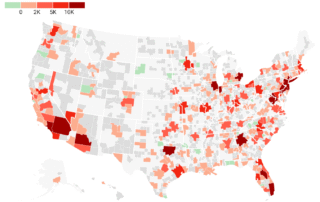
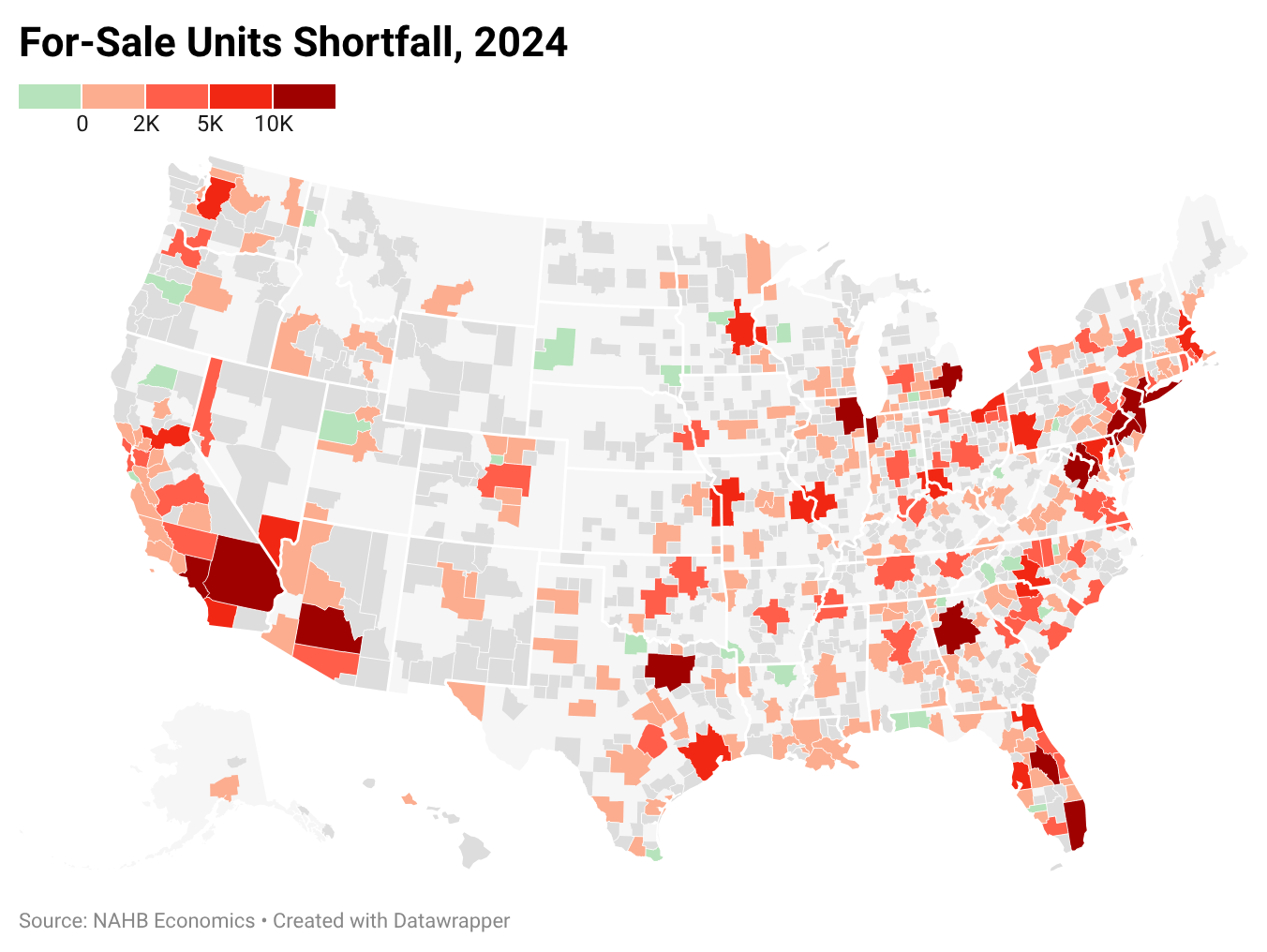
New data from Eye On Housing and the NAHB shows the U.S. remains short more than 1.2 million housing units, keeping pressure on both rents and home prices. Record‑low vacancy rates, slow single‑family construction, and restrictive zoning continue to fuel intense competition in 2024. Major metros like Chicago, New York, and Atlanta face some of the deepest deficits, and the true nationwide shortfall may be even higher when accounting for overcrowding and aging homes. For real estate professionals, the ongoing shortage means sustained demand, tighter inventory, and major opportunities for those who understand the evolving market.
Top real estate coach Jason Pantana says the divide between agents today isn’t about who has “tried” AI — it’s about who is immersed in it. In a new HousingWire interview, he explains why AI isn’t a gimmick but a full business system that amplifies output, improves authenticity, and reshapes how clients search for agents. From prompt mastery to AI‑driven visibility on Google, Pantana reveals how agents who commit even 15 minutes a day to learning AI are already outperforming those who hesitate.
Dallas–Fort Worth’s commercial real estate market closed 2025 with a split personality. Industrial dominated with massive new deliveries and soaring leasing demand, retail held steady with some of the market’s strongest fundamentals in years, and office continued to falter under remote‑work pressures. High vacancies, weak absorption, and rising demand for top‑tier space show the sector’s ongoing reset. Meanwhile, industrial and retail strength position the Metroplex for another powerhouse year heading into 2026.