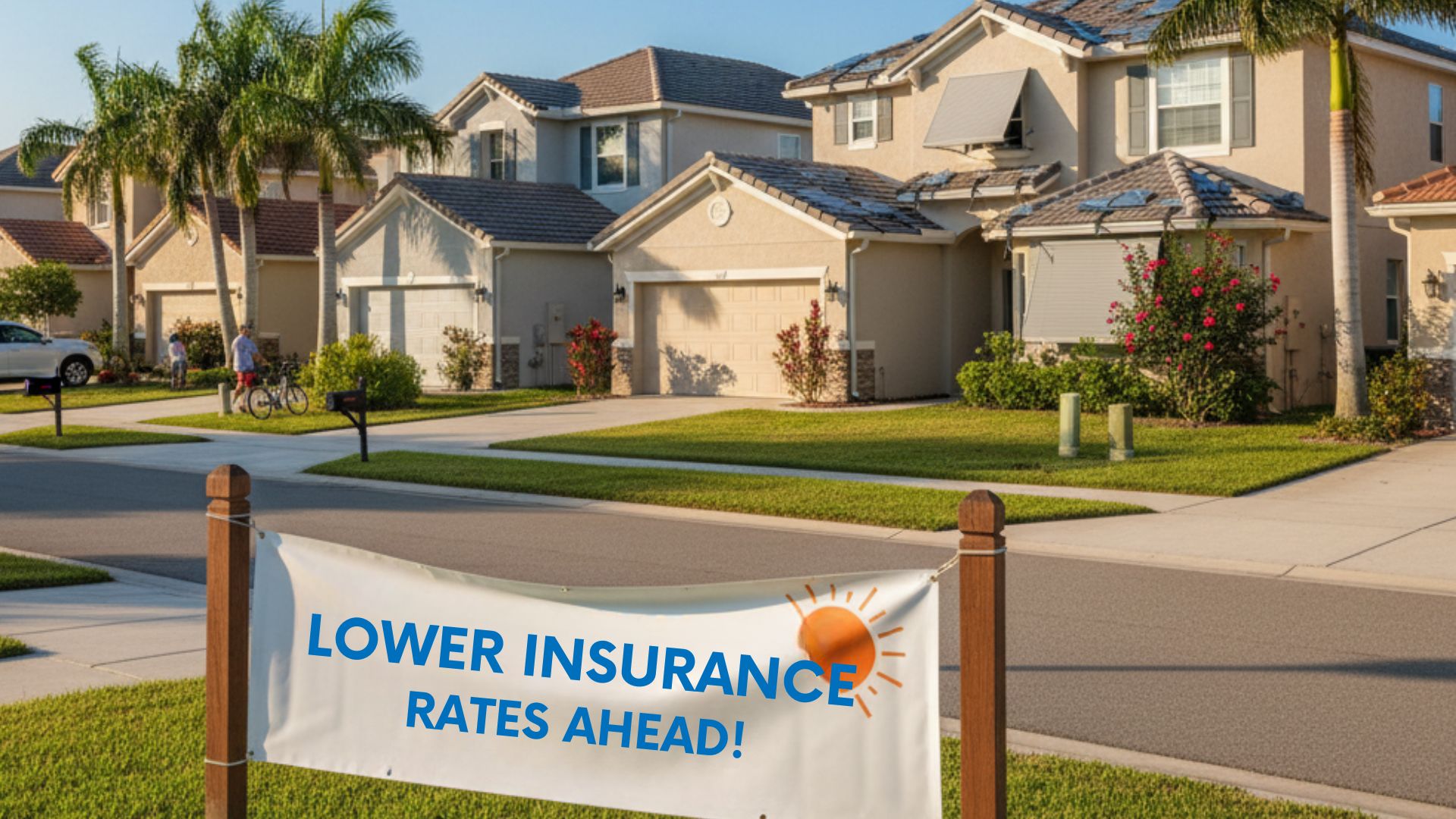
15 States on the Brink: America’s Growing Insurance Crisis Is Spreading Fast
The insurance landscape across the United States is shifting at a pace that many homeowners — and even insurers — can barely keep up with. What began years ago in Florida and California has now unraveled across the country, placing millions of homeowners on uncertain ground. According to a recent Insurify analysis, 15 states are creeping toward an insurance emergency fueled by climate‑driven destruction, soaring insurer losses, and relentless premium hikes.
For professionals in real estate, mortgage, insurance, and finance—many of whom rely on Cameron Academy for licensing education—this trend is reshaping housing markets, underwriting guidelines, and investment strategies nationwide.
Key Takeaways at a Glance
Home insurance costs climbed 20% from 2021–2023.
Car insurance rates surged 15% in early 2024.
Texas now averages 11 billion‑dollar climate disasters per year.
Hawaii recorded the highest insurer loss ratio in 2023.
Colorado faces $151 million in hail‑related property losses annually.
The Climate Ripple Effect: Why Premiums Are Surging
Every region of the U.S. is experiencing the consequences of extreme weather. Hurricanes batter the South, wildfires consume the West, hailstorms hammer the Midwest, and rising storm surges threaten the Northeast. As destruction climbs, insurers confront massive payouts — forcing them to increase rates, withdraw coverage, or exit high‑risk zones altogether.
The ripple effect is clear: homeowners facing thousands more per year, and many being pushed into last‑resort state insurance programs already stretched beyond capacity.
15 States Facing Imminent Crisis
According to Insurify’s findings, the following states show the highest risk due to climate exposure, market volatility, insurer losses, and rate filings:
Alabama
Arizona
Arkansas
Colorado
Hawaii
Illinois
Iowa
Michigan
Minnesota
Mississippi
Missouri
North Carolina
Oklahoma
South Carolina
Texas
Several of these states are already witnessing insurer retreat and aggressive premium spikes. In Mississippi, coastal homeowners in cities like Ocean Springs are paying close to $10,000 annually. In Iowa, several insurers have pulled out after enduring four straight years of losses. Meanwhile, North Carolina recently saw tens of thousands of non‑renewals following the devastating blow of Hurricane Helene.
A Perfect Storm for Real Estate Markets
As insurance costs rise, home affordability shrinks. Mortgage approvals increasingly hinge on insurance premiums, which can push borrowers beyond acceptable debt‑to‑income ratios. Investors see tightening returns. Builders face mounting demands for resilient construction. Real estate professionals must prepare for clients who ask deeper, more urgent questions than ever before about long‑term risk.
For newcomers and veteran professionals alike, understanding this shifting terrain has become essential. Cameron Academy continues to help students stay ahead with training designed around real‑world market conditions—especially in climate‑sensitive regions such as Florida.
Can We Fix the Crisis?
There’s no single solution, but climate resiliency remains our strongest defense. Experts and insurers agree that upgrading building materials, enforcing stricter codes, and implementing smarter mitigation measures can dramatically reduce loss severity and help stabilize premiums.
Homeowners Can Strengthen Their Risk Profile by:
Installing impact‑rated windows
Reinforcing roofs with modern, resilient materials
Upgrading to a wind‑rated garage door
Clearing defensible space around wildfire‑risk zones
Understanding flood exposure and securing proper coverage
Still, as climate expert Gabriel Filippelli points out: “You can’t always engineer your way out of climate disasters seamlessly.” Even with mitigation, premiums will likely continue rising nationwide as extreme events intensify.
The Bottom Line
The insurance crisis is no longer a coastal problem — it’s a nationwide challenge with local consequences. Whether you’re a homeowner, investor, or real estate professional, staying informed on these shifts is essential.
For a deeper dive into the data, explore the full report from Insurify. And if you’re advancing your career in real estate or insurance, Cameron Academy is here to equip you with the knowledge and licensing you need to thrive in a changing world.
Getting licensed or staying ahead in your career can be a journey—but it doesn’t have to be overwhelming. Grab your favorite coffee or tea, take a moment to relax, and browse through our articles. Whether you’re just starting out or renewing your expertise, we’ve got tips, insights, and advice to keep you moving forward. Here’s to your success—one sip and one step at a time!
Florida homeowners are getting long‑awaited relief this spring as insurance premiums drop across the state, with some counties seeing reductions of up to 14 percent. After years of skyrocketing rates and insurer withdrawals, a series of legislative reforms has attracted new companies, reduced lawsuits, and restored competition—leading to lower costs for more than 330,000 Citizens policyholders and multiple private‑market rate cuts. This shift is boosting not only homeowners, but also Florida’s broader economy and real estate market, offering valuable insights for professionals in real estate, insurance, mortgage, and finance.
Artificial intelligence has transformed real estate marketing by making it easy to generate polished, digitally enhanced listing photos. But as AI tools increasingly replace reality with idealized versions of homes, a new issue has emerged: housefishing. Buyers and renters are showing up to properties that look nothing like the online images, leading regulators to step in and require transparency. With laws like California’s newly enacted Assembly Bill 723, the industry is being pushed toward clearer labeling and ethical use of AI. As trust becomes a growing concern, real estate professionals must balance innovation with accuracy to stay compliant and credible.
Massachusetts has unanimously advanced bill S.2947, a major push to curb housing discrimination by expanding fair housing education requirements for real estate agents. The proposal increases training hours for both current and future licensees and doubles penalties for violations, marking a significant shift toward stronger consumer protections and higher professional standards across the state’s housing market.
Energy costs have moved from a background expense to a major force influencing affordability, property values, and development across the Hudson Valley. Aging housing stock, grid constraints, and rising utility bills are reshaping both residential and commercial real estate decisions—rewarding energy‑efficient properties and pressuring households already struggling to balance essential expenses.
AI is transforming the daily workflow of real estate pros by speeding up marketing, simplifying client communication, and sharpening pricing strategies. As highlighted in an NBC 6 feature, agents are using AI to draft listing descriptions, generate social media content, organize inquiries, and analyze market data in minutes. Whether you're new to the industry or an experienced agent, AI is quickly becoming an essential tool for working smarter and staying competitive.