15 States on the Brink: America’s Growing Insurance Crisis Is Spreading Fast
The insurance landscape across the United States is shifting at a pace that many homeowners — and even insurers — can barely keep up with. What began years ago in Florida and California has now unraveled across the country, placing millions of homeowners on uncertain ground. According to a recent Insurify analysis, 15 states are creeping toward an insurance emergency fueled by climate‑driven destruction, soaring insurer losses, and relentless premium hikes.
For professionals in real estate, mortgage, insurance, and finance—many of whom rely on Cameron Academy for licensing education—this trend is reshaping housing markets, underwriting guidelines, and investment strategies nationwide.
Key Takeaways at a Glance
Home insurance costs climbed 20% from 2021–2023.
Car insurance rates surged 15% in early 2024.
Texas now averages 11 billion‑dollar climate disasters per year.
Hawaii recorded the highest insurer loss ratio in 2023.
Colorado faces $151 million in hail‑related property losses annually.
The Climate Ripple Effect: Why Premiums Are Surging
Every region of the U.S. is experiencing the consequences of extreme weather. Hurricanes batter the South, wildfires consume the West, hailstorms hammer the Midwest, and rising storm surges threaten the Northeast. As destruction climbs, insurers confront massive payouts — forcing them to increase rates, withdraw coverage, or exit high‑risk zones altogether.
The ripple effect is clear: homeowners facing thousands more per year, and many being pushed into last‑resort state insurance programs already stretched beyond capacity.
15 States Facing Imminent Crisis
According to Insurify’s findings, the following states show the highest risk due to climate exposure, market volatility, insurer losses, and rate filings:
Alabama
Arizona
Arkansas
Colorado
Hawaii
Illinois
Iowa
Michigan
Minnesota
Mississippi
Missouri
North Carolina
Oklahoma
South Carolina
Texas
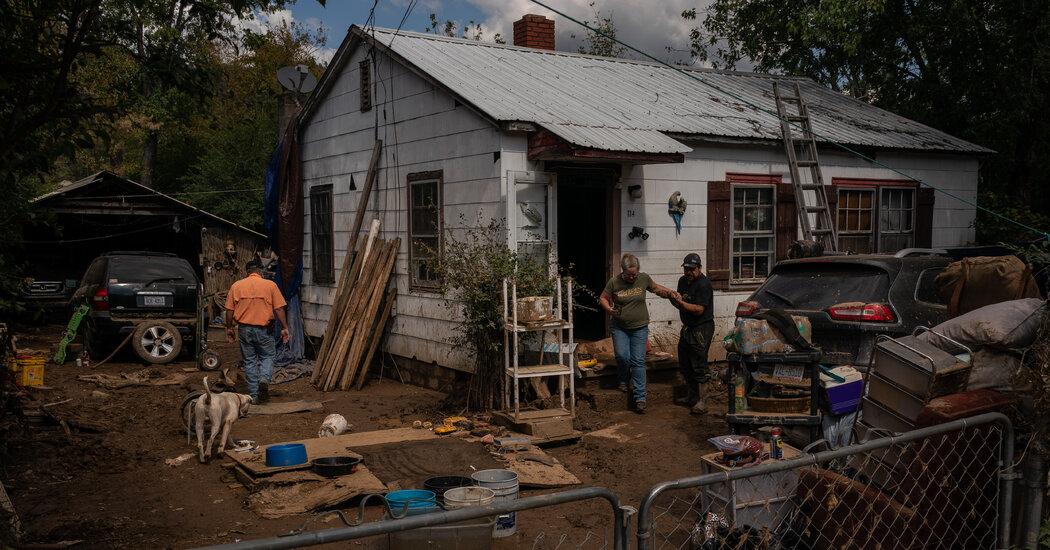
Several of these states are already witnessing insurer retreat and aggressive premium spikes. In Mississippi, coastal homeowners in cities like Ocean Springs are paying close to $10,000 annually. In Iowa, several insurers have pulled out after enduring four straight years of losses. Meanwhile, North Carolina recently saw tens of thousands of non‑renewals following the devastating blow of Hurricane Helene.
A Perfect Storm for Real Estate Markets
As insurance costs rise, home affordability shrinks. Mortgage approvals increasingly hinge on insurance premiums, which can push borrowers beyond acceptable debt‑to‑income ratios. Investors see tightening returns. Builders face mounting demands for resilient construction. Real estate professionals must prepare for clients who ask deeper, more urgent questions than ever before about long‑term risk.
For newcomers and veteran professionals alike, understanding this shifting terrain has become essential. Cameron Academy continues to help students stay ahead with training designed around real‑world market conditions—especially in climate‑sensitive regions such as Florida.
Can We Fix the Crisis?
There’s no single solution, but climate resiliency remains our strongest defense. Experts and insurers agree that upgrading building materials, enforcing stricter codes, and implementing smarter mitigation measures can dramatically reduce loss severity and help stabilize premiums.
Homeowners Can Strengthen Their Risk Profile by:
Installing impact‑rated windows
Reinforcing roofs with modern, resilient materials
Upgrading to a wind‑rated garage door
Clearing defensible space around wildfire‑risk zones
Understanding flood exposure and securing proper coverage
Still, as climate expert Gabriel Filippelli points out: “You can’t always engineer your way out of climate disasters seamlessly.” Even with mitigation, premiums will likely continue rising nationwide as extreme events intensify.
The Bottom Line
The insurance crisis is no longer a coastal problem — it’s a nationwide challenge with local consequences. Whether you’re a homeowner, investor, or real estate professional, staying informed on these shifts is essential.
For a deeper dive into the data, explore the full report from Insurify. And if you’re advancing your career in real estate or insurance, Cameron Academy is here to equip you with the knowledge and licensing you need to thrive in a changing world.
More Articles
Getting licensed or staying ahead in your career can be a journey—but it doesn’t have to be overwhelming. Grab your favorite coffee or tea, take a moment to relax, and browse through our articles. Whether you’re just starting out or renewing your expertise, we’ve got tips, insights, and advice to keep you moving forward. Here’s to your success—one sip and one step at a time!
In the aftermath of Hurricane Helene, homeowners in North Carolina face the daunting challenge of securing compensation from insurance companies and the federal government. The process can be both infuriating and baffling, yet it is essential for recovery.
Nearly half of all rental households in America are cost-burdened, spending over 30% of their income on rent. This financial strain is even more pronounced in areas with strong employment growth, where housing costs are highest. The paradox is clear: regions with the most economic opportunities present the greatest barriers to affordable housing.
The potential for AI to affect wage structures and income inequality is another critical discussion point. While AI could enhance productivity, it might also concentrate benefits among a select group.
The advent of blockchain technology and decentralized finance (DeFi) is revolutionizing how we perceive and interact with financial markets. Central to this transformation is the concept of tokenization, a process that converts assets into digital tokens on a blockchain, enhancing security, accessibility, and liquidity.
The marriage of AI and blockchain promises to streamline transaction processing, significantly reducing paperwork and processing time. This newfound efficiency allows agents to handle more deals at their own pace, enhancing productivity and client satisfaction.