“`html Two investors discuss commercial real estate property in an office. In the ever-evolving world of real estate, staying ahead of the curve is not just advantageous, but essential. As we peer into the horizon of 2025, the landscape is poised to be shaped by a confluence of emerging trends. A recent Forbes Business Council article delves into these anticipated shifts, offering insights from 19 industry experts.

1. Embracing a Growth Mindset

Real estate investors are gearing up for 2025 with an increased spending on both new and existing properties. This proactive approach, highlighted by RentRedi‘s Ryan Barone, suggests a diversification of portfolios and a keen interest in geographical and property type expansion. Such strategies are expected to bolster the rental property sector and open doors to new markets.

2. Demand for Flexible and Sustainable Spaces

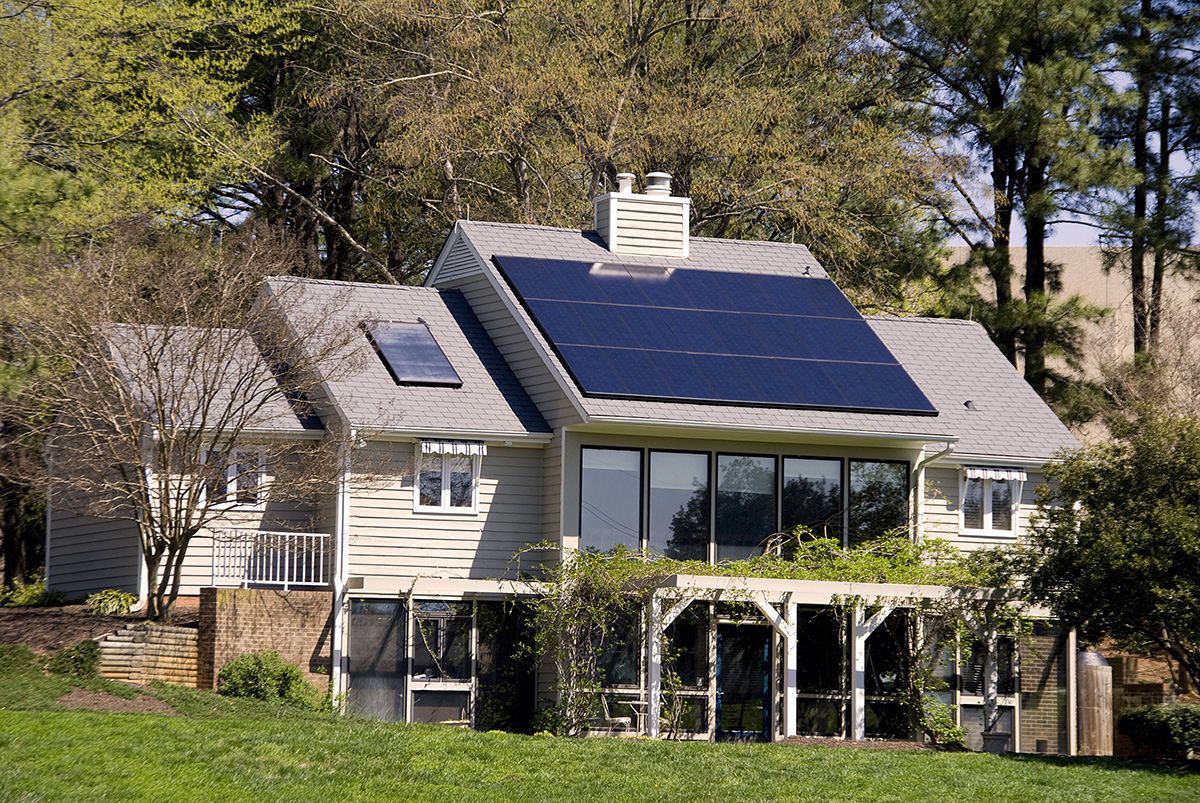
The hybrid work model is driving a surge in demand for flexible spaces in prime locations, as noted by Beate van Loo-Born of PhysikInstrumente (PI). Coupled with this is a growing emphasis on sustainability, with investors and tenants increasingly prioritizing eco-friendly and resilient buildings.

3. Navigating High-Risk Areas

Nathan Miller from Rentec Direct anticipates a strategic shift away from high-risk regions, such as the hurricane-prone Southeast and wildfire-vulnerable Northwest. This creates opportunities for investors with a higher risk tolerance and may present attractive prospects for first-time homebuyers.

4. Technological Advances in Real Estate

The integration of AI-driven property analyses is set to revolutionize the industry by 2025. As Shehar Yar of Software House explains, leveraging predictive analytics will enable investors to identify high-yield opportunities with precision, although it may also heighten competition and inflate property prices in hotspots.

5. The Rise of Eco-Friendly Investments

Stephen Nalley from Black Briar Advisors foresees a surge in demand for eco-friendly real estate, driven by climate awareness and sustainability incentives. Investors focusing on green properties may reap higher returns as tenants and buyers increasingly seek energy-efficient spaces.

Additional Trends to Watch

  • Increased social impact investing, particularly in affordable housing, as discussed by Seth Gellis of Community Preservation Partners.
  • Growth in co-living spaces, catering to those seeking affordable and flexible living arrangements, highlighted by Goro Gupta of Ethical Property Investments.
  • Investment in digital infrastructure, such as data centers and server farms, noted by Sabeer Nelliparamban of Tyler Petroleum Inc.

These insights from the Forbes Business Council underscore the dynamic nature of the real estate market. As 2025 approaches, investors are encouraged to stay informed and agile, adapting to these trends to optimize their strategies and capitalize on emerging opportunities. “`

More Articles

Getting licensed or staying ahead in your career can be a journey—but it doesn’t have to be overwhelming. Grab your favorite coffee or tea, take a moment to relax, and browse through our articles. Whether you’re just starting out or renewing your expertise, we’ve got tips, insights, and advice to keep you moving forward. Here’s to your success—one sip and one step at a time!

Free Money in 2026? The Truth About the DOGE Dividend Stimulus Check

The DOGE Dividend: What You Need to Know About the Proposed 2026 Stimulus Check Hey there! If you’ve been wondering #ReadMore

Navigating Seller’s Market: Twin Cities Housing Trends and Predictions for 2024

The Minneapolis housing market is currently navigating a complex terrain, marked by a curious blend of optimism and caution. In 2024, home sales in the Twin Cities area experienced a modest uptick of 1.8%.

Future Homes: Sustainability and Smart Technology Shaping Real Estate

In the ever-evolving landscape of real estate, two groundbreaking trends are shaping the homes of tomorrow: sustainability and smart home technology. As consumers become increasingly aware of their environmental impact and as technology continues to advance at lightning speed, these trends are significantly influencing buying decisions in the residential real estate market.

By |February 25, 2025|Categories: Article, Real Estate, Technology|Tags: , |0 Comments

Harvard Study Projects Dramatic Slowdown in U.S. Household Growth

In a comprehensive analysis by Harvard's Joint Center for Housing Studies, there is a projected increase of 8.6 million households in the United States from 2025 to 2035. This equates to approximately 860,000 new households per year, marking a significant deceleration compared to the post-Great Recession era, which saw a sluggish yet larger gain of 10.1 million households.

By |February 24, 2025|Categories: Article, Demographics, Housing|Tags: , |0 Comments

AI Revolutionizing Real Estate: Predicting Trends and Values

The real estate industry, often seen as conservative, is gradually embracing technological advancements with AI leading the charge. Generative AI is already revolutionizing real estate marketing by enhancing customer experiences and optimizing content creation.

By |February 24, 2025|Categories: Article, Real Estate, Technology/AI|Tags: , |0 Comments

In-Person Work Policies: A Beacon of Hope for Commercial Real Estate

With office occupancy plummeting by 90% from February to March 2020, the impact of remote work was palpable. However, the researchers found that hybrid mandates and adding more in-office days could mitigate some of these challenges.