“`html
In the ever-evolving world of real estate, staying ahead of the curve is not just advantageous, but essential. As we peer into the horizon of 2025, the landscape is poised to be shaped by a confluence of emerging trends. A recent Forbes Business Council article delves into these anticipated shifts, offering insights from 19 industry experts.
1. Embracing a Growth Mindset
Real estate investors are gearing up for 2025 with an increased spending on both new and existing properties. This proactive approach, highlighted by RentRedi‘s Ryan Barone, suggests a diversification of portfolios and a keen interest in geographical and property type expansion. Such strategies are expected to bolster the rental property sector and open doors to new markets.
2. Demand for Flexible and Sustainable Spaces
The hybrid work model is driving a surge in demand for flexible spaces in prime locations, as noted by Beate van Loo-Born of PhysikInstrumente (PI). Coupled with this is a growing emphasis on sustainability, with investors and tenants increasingly prioritizing eco-friendly and resilient buildings.
3. Navigating High-Risk Areas
Nathan Miller from Rentec Direct anticipates a strategic shift away from high-risk regions, such as the hurricane-prone Southeast and wildfire-vulnerable Northwest. This creates opportunities for investors with a higher risk tolerance and may present attractive prospects for first-time homebuyers.
4. Technological Advances in Real Estate
The integration of AI-driven property analyses is set to revolutionize the industry by 2025. As Shehar Yar of Software House explains, leveraging predictive analytics will enable investors to identify high-yield opportunities with precision, although it may also heighten competition and inflate property prices in hotspots.
5. The Rise of Eco-Friendly Investments
Stephen Nalley from Black Briar Advisors foresees a surge in demand for eco-friendly real estate, driven by climate awareness and sustainability incentives. Investors focusing on green properties may reap higher returns as tenants and buyers increasingly seek energy-efficient spaces.
Additional Trends to Watch
Increased social impact investing, particularly in affordable housing, as discussed by Seth Gellis of Community Preservation Partners.
Growth in co-living spaces, catering to those seeking affordable and flexible living arrangements, highlighted by Goro Gupta of Ethical Property Investments.
Investment in digital infrastructure, such as data centers and server farms, noted by Sabeer Nelliparamban of Tyler Petroleum Inc.
These insights from the Forbes Business Council underscore the dynamic nature of the real estate market. As 2025 approaches, investors are encouraged to stay informed and agile, adapting to these trends to optimize their strategies and capitalize on emerging opportunities.
“`
More Articles
Getting licensed or staying ahead in your career can be a journey—but it doesn’t have to be overwhelming. Grab your favorite coffee or tea, take a moment to relax, and browse through our articles. Whether you’re just starting out or renewing your expertise, we’ve got tips, insights, and advice to keep you moving forward. Here’s to your success—one sip and one step at a time!
Florida’s home insurance market is experiencing a wave of optimism as recent litigation reforms lead to fewer lawsuits, stronger insurer stability, and even rate reductions. With companies like Florida Peninsula lowering premiums and 17 new insurers entering the state, real estate, mortgage, and insurance professionals can expect smoother transactions, increased buyer confidence, and a more competitive market environment in the year ahead.
Mortgage rates have dipped to levels not seen since 2022, with the 30‑year fixed averaging just 6.361% and Freddie Mac reporting an even lower 6.06%. The drop is reshaping buyer affordability, sparking renewed market activity, and creating fresh opportunities for real estate professionals—especially in fast‑moving markets like Florida.
The 2026 housing market is shaping up to be one of the most pivotal in years, with mortgage rates showing slight relief, affordability shifting toward the Midwest and South, and buyers turning to options like ARMs and new‑construction homes. Early signals point to new opportunities for buyers, investors, and real‑estate professionals—especially those ready to navigate a market defined by moderate rate drops, regional affordability gaps, and builder‑driven incentives.
Ares Commercial Real Estate CEO Bryan Donohoe sold US$107k in shares this week, trimming his stake by 13% and adding to a pattern of insider selling with no insider purchases in the past 12 months. With insider ownership sitting at a modest 1.6%, the activity signals a cautious tone inside the company—something real estate, mortgage, and finance professionals may want to watch as they assess broader market confidence.
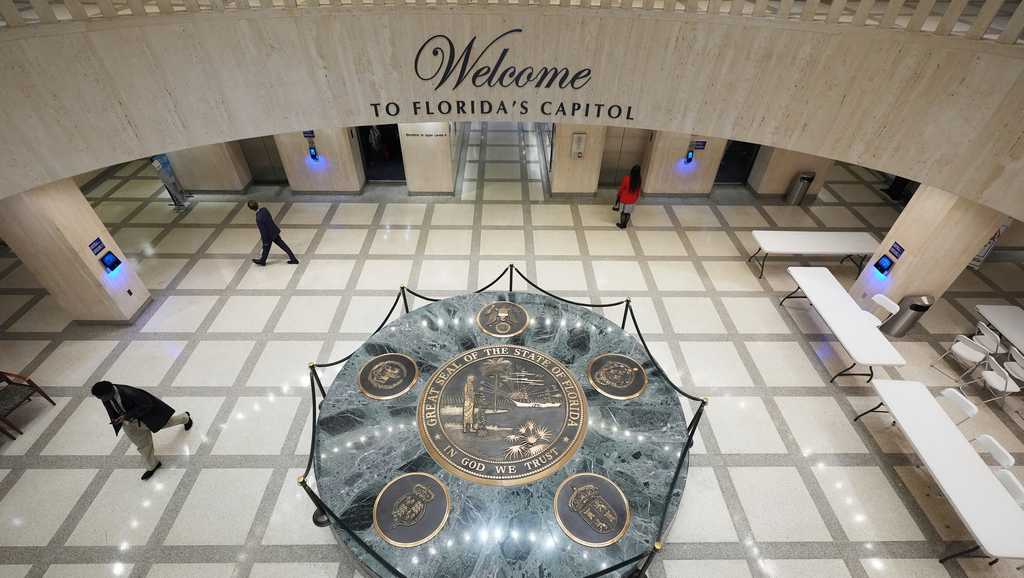
Florida’s 2026 legislative session is officially underway, launching a wave of high‑impact bills targeting property insurance reform, a proposal to eliminate property taxes, new education attendance requirements, and even an AI Bill of Rights. With over a hundred bills already filed, real estate agents, investors, insurers, educators, and other licensed professionals can expect significant regulatory shifts that may reshape Florida’s housing market, insurance costs, and professional compliance standards.
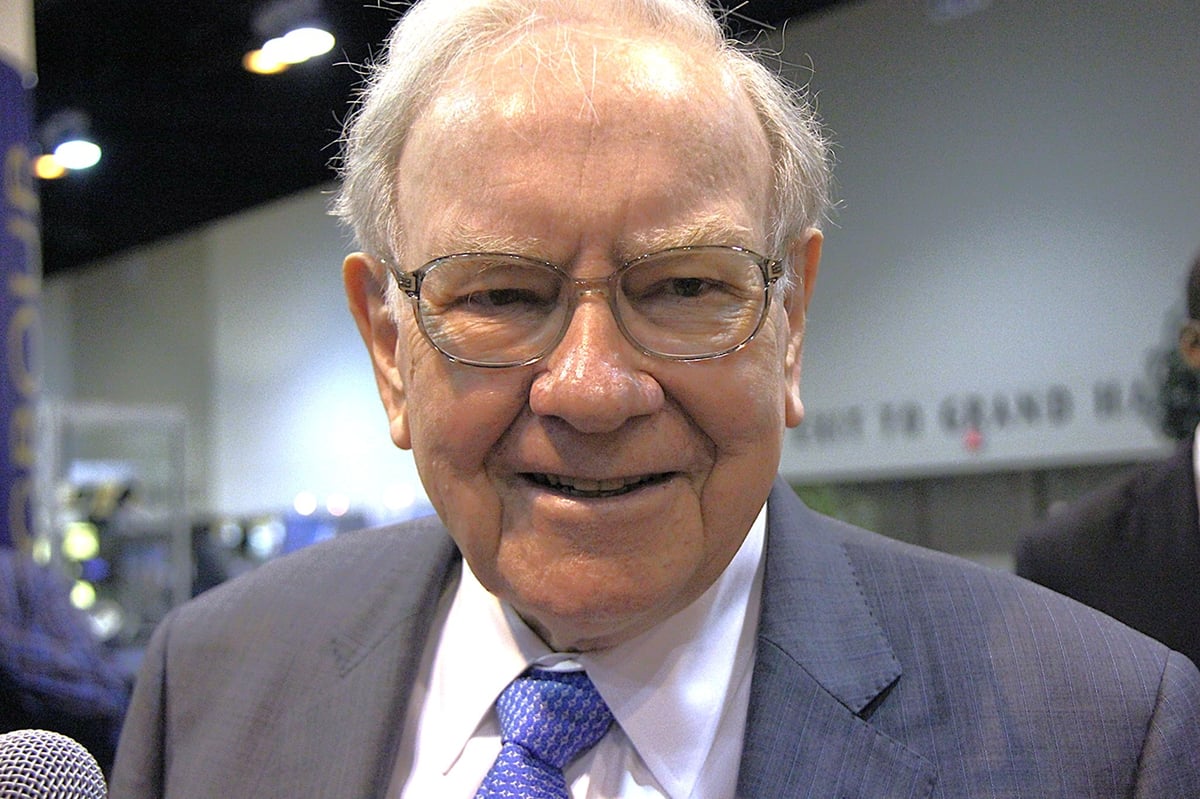
Warren Buffett’s timeless investing wisdom is more relevant than ever in 2026. Despite decades of market change, his core lesson remains the same: long‑term conviction outperforms short‑term prediction. From embracing occasional underperformance to avoiding emotional decisions, Buffett’s philosophy highlights why deep understanding and steady confidence are more valuable than trying to forecast market swings. This mindset isn’t just for investors—it’s a guiding principle for professionals looking to grow their careers with clarity and purpose.

 In the ever-evolving world of real estate, staying ahead of the curve is not just advantageous, but essential. As we peer into the horizon of 2025, the landscape is poised to be shaped by a confluence of emerging trends. A recent