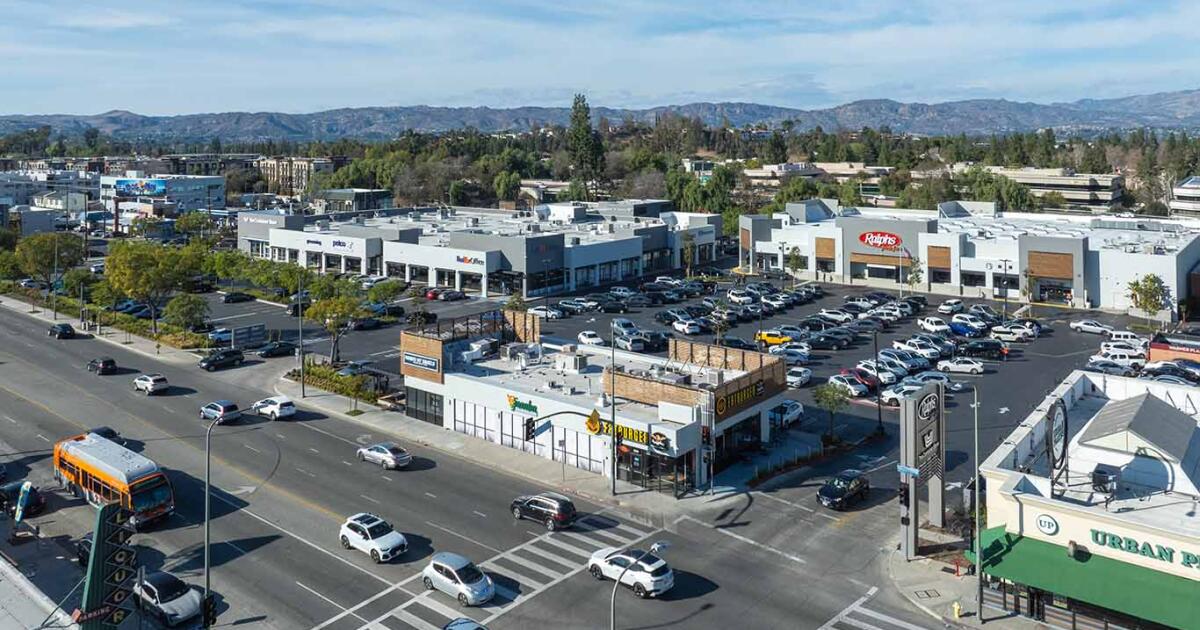
In the ever-evolving world of commercial real estate, the year 2024 is marked by a significant shift in investment trends, driven by the insights of renowned investor Charlie Munger. His warning, delivered in April 2023, highlighted a dramatic transformation in the landscape of commercial property investment, underscoring the challenges faced by troubled office buildings and shopping centers.

Commercial Real Estate Investment: A Sector in Flux

Munger’s observations are supported by data revealing a notable decline in commercial real estate transactions. The total dollar volume plummeted to $647 billion in 2023, a stark contrast to the $1.14 trillion recorded in 2022. This 47% drop is attributed to persistently high interest rates and a sharp decline in office property values.

Investment Shifts and Sector Performance

The commercial real estate sector has seen a transition, with industrial and multifamily properties receiving a larger share of investment. The office sector, however, experienced the largest decline, losing $146 billion in investment volume compared to the previous year. The hotel sector also saw a significant drop of $190 billion.

  • Office values have decreased by 14% over the past year.
  • Multifamily properties have taken the lead in commercial real estate investment, driven by the rise of remote work.
  • Industrial real estate continues to attract investment due to supply chain challenges and geopolitical shifts.

Vacancy Rates and Rent Growth

The commercial real estate market is grappling with high vacancy rates, particularly in office spaces. As of April 2024, the office vacancy rate in the U.S. reached a record 13.8%, with some sources estimating even higher figures. San Francisco, for instance, has an office vacancy rate of 22.65%. In contrast, retail properties boast the lowest vacancy rate at 4.1%.

Future Outlook and Investment Opportunities

Despite the challenges, opportunities remain for investors willing to navigate the complexities of the market. Investing in REITs or real estate funds offers a way to diversify portfolios and capitalize on sector-specific growth.

For those interested in more hands-on approaches, purchasing residential properties for rental income or engaging in house flipping are viable options, albeit with inherent risks and management demands.

Conclusion

As the commercial real estate landscape continues to shift, staying informed about market trends and strategic investment opportunities is crucial. For more detailed insights, the original article from The Motley Fool provides a comprehensive analysis of the current state of commercial real estate investment.

More Articles

Getting licensed or staying ahead in your career can be a journey—but it doesn’t have to be overwhelming. Grab your favorite coffee or tea, take a moment to relax, and browse through our articles. Whether you’re just starting out or renewing your expertise, we’ve got tips, insights, and advice to keep you moving forward. Here’s to your success—one sip and one step at a time!

Florida’s Political Storm: Immigration Protests, Insurance Shakeups, and Health Care Uncertainty

Palm Beach protests erupted as intensified immigration enforcement reached the heart of Trump’s hometown, while millions in Florida brace for rising health care costs as key subsidies near expiration. At the same time, state regulators boldly declare the long‑running property insurance crisis “over,” leaving homeowners and industry professionals questioning whether true stability has finally returned.

Real Estate Strategic Outlooks: Year-End 2025

As 2025 comes to a close, the real estate industry is shifting from uncertainty to strategic expansion. According to DWS’s Year-End 2025 Outlook, property values are stabilizing after years of repricing, capital is concentrating on high-quality assets, and Sunbelt markets—especially Florida—continue to outperform. With technology enhancing rather than replacing professional expertise, 2026 is shaping up to reward professionals who stay informed, skilled, and strategically positioned for the next cycle.

Texas Investors Ride Into San Francisco, Snapping Up Union Square Deals as the Market Hits Bottom

Texas capital is pouring into San Francisco’s long‑struggling commercial real estate market, with Lone Star investors buying up discounted Union Square buildings and signaling what many experts believe is the city’s market bottom. As office activity and confidence begin to return, buyers from across the country are joining the rush, turning SF’s post‑pandemic slump into one of the nation’s hottest bargain opportunities.

2026 Tech100 Countdown: Housing Tech Innovation Surges as Nomination Window Closes

With 2026 HousingWire Tech100 nominations closing on December 19, the housing tech sector is accelerating at full speed. AI‑powered data platforms, digital closing breakthroughs, embedded insurance growth, and next‑generation servicing automation are reshaping real estate, mortgage, insurance, and finance. From ATTOM’s AI‑ready property intelligence to Hapi Homes’ Martha Stewart design revival, Obie’s nationwide expansion, Outamation’s servicing automation, and ServiceLink’s next‑level borrower scheduling, this year’s standout innovators are defining the future of the housing economy.

Woodland Hills Retail Center Sold for $64 Million in Major Southern California CRE Deal

Space Investment Partners has acquired the 123,402‑square‑foot Topanga Gateway retail center in Woodland Hills for $64 million, marking another significant move in the firm’s expanding grocery‑anchored investment strategy. Located at a high‑visibility intersection and 97% occupied at the time of sale, the property strengthens the company’s push toward $500 million to $1 billion in retail acquisitions for 2026, underscoring continued investor confidence in necessity‑based retail assets.

Mortgage Rates Shift After Final 2025 Fed Cut: What Homebuyers Should Know Today

After the Federal Reserve’s final 2025 rate cut on December 10, mortgage markets are recalibrating, giving buyers and homeowners a glimmer of relief. Rates remain lower than earlier in the year, with 30-year fixed loans at 6.12% and refinances dipping as well. This shift may spark renewed activity for buyers, refinancers, and real estate professionals heading into 2026.