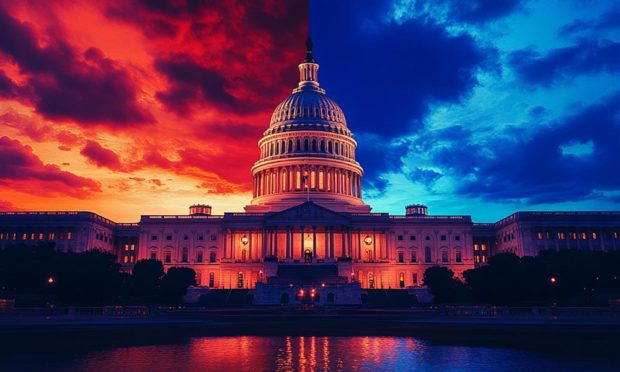
As the 2024 election looms, the banking industry finds itself on the brink of potential change, regardless of which party takes control of the White House. Experts predict that regulatory shifts will be incremental initially, but the aftermath of the election could see significant legal challenges to new and existing rules.
Regulatory Changes and Legal Challenges
The financial sector is bracing for a wave of legal challenges, as evidenced by JPMorgan Chase’s threat of litigation against the Consumer Financial Protection Bureau (CFPB). Similarly, the Financial Technology Association’s lawsuit against the CFPB’s interpretive rule on buy-now-pay-later services highlights growing tensions.
Impact of the Elections on the Banking Sector
The economic philosophy of the incoming administration could profoundly influence regulation. A Republican majority in the Senate might accelerate regulatory nominations, impacting the pace and nature of financial oversight. However, if Congress remains closely divided, significant legislative changes appear unlikely.
Supreme Court Rulings and Their Implications
Recent Supreme Court decisions have reshaped the regulatory landscape. These rulings, such as Loper Bright v. Raimondo, which ended deference to federal agency expertise, could embolden banks to challenge regulators more frequently.
The Role of CFPB and Potential Changes
The CFPB, under Director Rohit Chopra, remains a focal point of regulatory activism. Should former President Trump return to office, Chopra’s tenure could end, leading to potential reversals of current policies. Conversely, a Harris administration could maintain the status quo, albeit with possible shifts in leadership.
Banking Industry’s Response
Amid these uncertainties, industry leaders are advised to stay agile and engaged with trade associations. Whether under a Harris or Trump administration, the industry must navigate a complex regulatory environment influenced by evolving political dynamics.
More Articles
Getting licensed or staying ahead in your career can be a journey—but it doesn’t have to be overwhelming. Grab your favorite coffee or tea, take a moment to relax, and browse through our articles. Whether you’re just starting out or renewing your expertise, we’ve got tips, insights, and advice to keep you moving forward. Here’s to your success—one sip and one step at a time!
"Remote work has redefined what homebuyers seek in a property. The demand for larger living spaces has surged as individuals prioritize homes that can accommodate both living and working activities."
Extreme weather events are expected to become more common, affecting real-estate asset values through higher insurance premiums and disruption costs. Despite this, the risk is not yet adequately priced into transaction yields.
Generative AI (GenAI) is emerging as a transformative force, poised to revolutionize real estate operations by automating and optimizing functions such as property operations and asset management with unprecedented insights and efficiency gains.
Almal Real Estate, known for its innovative approaches in the real estate sector, is now setting its sights on international markets, including the UAE, Bali, and Thailand. This expansion is part of a broader strategy to diversify its portfolio and tap into the lucrative commercial real estate sector.
The commercial real estate sector is poised for significant transformation as we move into 2025. This evolution is driven by a confluence of economic shifts, demographic changes, and technological advancements, creating both challenges and opportunities for stakeholders in the industry.
The introduction of a national guidance framework for Global Capability Centres (GCCs) is set to bolster the sector significantly, particularly in tier-II and tier-III cities.