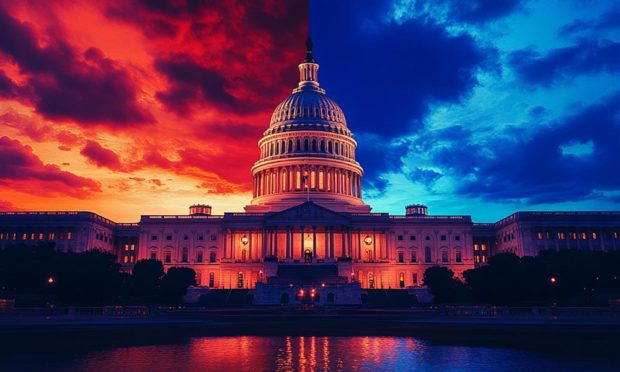
As the 2024 election looms, the banking industry finds itself on the brink of potential change, regardless of which party takes control of the White House. Experts predict that regulatory shifts will be incremental initially, but the aftermath of the election could see significant legal challenges to new and existing rules.
Regulatory Changes and Legal Challenges
The financial sector is bracing for a wave of legal challenges, as evidenced by JPMorgan Chase’s threat of litigation against the Consumer Financial Protection Bureau (CFPB). Similarly, the Financial Technology Association’s lawsuit against the CFPB’s interpretive rule on buy-now-pay-later services highlights growing tensions.
Impact of the Elections on the Banking Sector
The economic philosophy of the incoming administration could profoundly influence regulation. A Republican majority in the Senate might accelerate regulatory nominations, impacting the pace and nature of financial oversight. However, if Congress remains closely divided, significant legislative changes appear unlikely.
Supreme Court Rulings and Their Implications
Recent Supreme Court decisions have reshaped the regulatory landscape. These rulings, such as Loper Bright v. Raimondo, which ended deference to federal agency expertise, could embolden banks to challenge regulators more frequently.
The Role of CFPB and Potential Changes
The CFPB, under Director Rohit Chopra, remains a focal point of regulatory activism. Should former President Trump return to office, Chopra’s tenure could end, leading to potential reversals of current policies. Conversely, a Harris administration could maintain the status quo, albeit with possible shifts in leadership.
Banking Industry’s Response
Amid these uncertainties, industry leaders are advised to stay agile and engaged with trade associations. Whether under a Harris or Trump administration, the industry must navigate a complex regulatory environment influenced by evolving political dynamics.
Getting licensed or staying ahead in your career can be a journey—but it doesn’t have to be overwhelming. Grab your favorite coffee or tea, take a moment to relax, and browse through our articles. Whether you’re just starting out or renewing your expertise, we’ve got tips, insights, and advice to keep you moving forward. Here’s to your success—one sip and one step at a time!
A fast‑growing Israeli startup called Agora is reshaping how real estate investment firms operate by replacing outdated spreadsheets and scattered emails with a seamless digital platform. Built by former military intelligence technologists, Agora centralizes investor onboarding, reporting, financial tracking and communication—giving firms a modern backbone for managing complex portfolios. As proptech adoption accelerates worldwide, understanding tools like Agora is becoming essential knowledge for new and seasoned real estate professionals alike.
Canada remains one of the fastest and most accessible places to launch a real estate career, with no university degree required and most provinces offering licensing timelines under a year. This guide breaks down every major step—eligibility, education, exams, brokerage registration, and income expectations—while comparing requirements across Ontario, BC, Alberta, and Quebec. It also highlights what truly separates successful agents from those who leave the profession: consistent prospecting, strong preparation, and long-term discipline.
The 2026 housing market is starting off with colder-than-usual activity but warmer opportunities for buyers. Mortgage rates have dipped nearly a full percentage point from last year, inventory is slowly increasing, and competition is easing just enough to give buyers more leverage. While prices are still rising, the pace has cooled, and motivated sellers are becoming more flexible. Whether you're planning to buy or preparing clients as a real estate professional, the key message remains the same: the right time to purchase depends far more on your financial readiness than on headline noise.
More landlords than ever are turning to LLCs to protect their assets, streamline operations, and unlock tax advantages. An LLC can separate your personal finances from your rental business, provide liability protection, and offer valuable tax benefits. This article breaks down what LLCs do for landlords, how they affect taxes, the benefits they bring, and the best practices for setting one up in 2025—giving real estate professionals and investors a clear, practical guide for making the right decision.
Florida lawmakers have approved Sen. Joe Gruters proposal to push more commercial properties from Citizens Property Insurance into the private market. The bill tightens eligibility rules, expands the clearinghouse process, and could shift about 25 billion dollars in risk to private carriers. Supporters say the change reduces taxpayer exposure after major storms, while opponents worry about relying more on the less-regulated surplus lines market. The measure now heads to Gov. Ron DeSantis for final approval.
Wire fraud has evolved into a major danger for Florida real estate transactions, with criminals hijacking email accounts, impersonating buyers and sellers, and creating fake title company websites. First‑time buyers are especially vulnerable, and losses often occur right before closing when emotions are high. Experts warn that nearly all wire fraud can be prevented with proper verification, secure communication, and professional training—making education a critical defense for today’s real estate professionals.