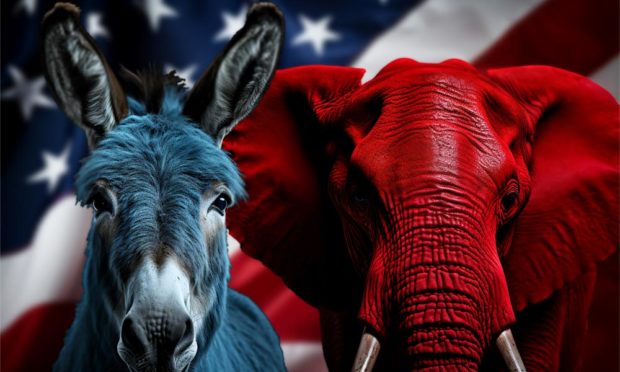
As the 2024 election looms, the banking industry finds itself on the brink of potential change, regardless of which party takes control of the White House. Experts predict that regulatory shifts will be incremental initially, but the aftermath of the election could see significant legal challenges to new and existing rules.
Regulatory Changes and Legal Challenges
The financial sector is bracing for a wave of legal challenges, as evidenced by JPMorgan Chase’s threat of litigation against the Consumer Financial Protection Bureau (CFPB). Similarly, the Financial Technology Association’s lawsuit against the CFPB’s interpretive rule on buy-now-pay-later services highlights growing tensions.
Impact of the Elections on the Banking Sector
The economic philosophy of the incoming administration could profoundly influence regulation. A Republican majority in the Senate might accelerate regulatory nominations, impacting the pace and nature of financial oversight. However, if Congress remains closely divided, significant legislative changes appear unlikely.
Supreme Court Rulings and Their Implications
Recent Supreme Court decisions have reshaped the regulatory landscape. These rulings, such as Loper Bright v. Raimondo, which ended deference to federal agency expertise, could embolden banks to challenge regulators more frequently.
The Role of CFPB and Potential Changes
The CFPB, under Director Rohit Chopra, remains a focal point of regulatory activism. Should former President Trump return to office, Chopra’s tenure could end, leading to potential reversals of current policies. Conversely, a Harris administration could maintain the status quo, albeit with possible shifts in leadership.
Banking Industry’s Response
Amid these uncertainties, industry leaders are advised to stay agile and engaged with trade associations. Whether under a Harris or Trump administration, the industry must navigate a complex regulatory environment influenced by evolving political dynamics.
More Articles
Getting licensed or staying ahead in your career can be a journey—but it doesn’t have to be overwhelming. Grab your favorite coffee or tea, take a moment to relax, and browse through our articles. Whether you’re just starting out or renewing your expertise, we’ve got tips, insights, and advice to keep you moving forward. Here’s to your success—one sip and one step at a time!
The Securities and Exchange Commission (SEC), through its Division of Examinations, has unveiled its 2025 examination priorities, reflecting a comprehensive focus on areas such as private fund advisers, Regulation Best Interest (Reg BI) compliance, and cybersecurity.
Realtor.com has taken a proactive stance by providing a comprehensive toolkit designed to empower agents with the knowledge and resources necessary to navigate fair housing practices effectively.
The University of North Carolina at Chapel Hill continues to solidify its reputation for excellence in graduate education, as evidenced by the recent U.S. News & World Report's 2025 "Best Graduate Schools" list.
As we venture further into 2025, the landscape of shopping continues to evolve with a fascinating dynamic between online and in-store experiences. According to a recent article from Business.com, the retail sector is witnessing a significant shift in consumer preferences, with approximately 59% of consumers favoring online shopping while 41% still prefer traditional in-store purchases.
On December 28, 2024, the Centers for Medicare & Medicaid Services (CMS) enacted a long-anticipated final rule that significantly revises laboratory personnel requirements under Subpart M of the Clinical Laboratory Improvement Amendments (CLIA). This marks the first major overhaul since 1992, impacting all clinical laboratory personnel engaged in moderate- or high-complexity laboratory tests.