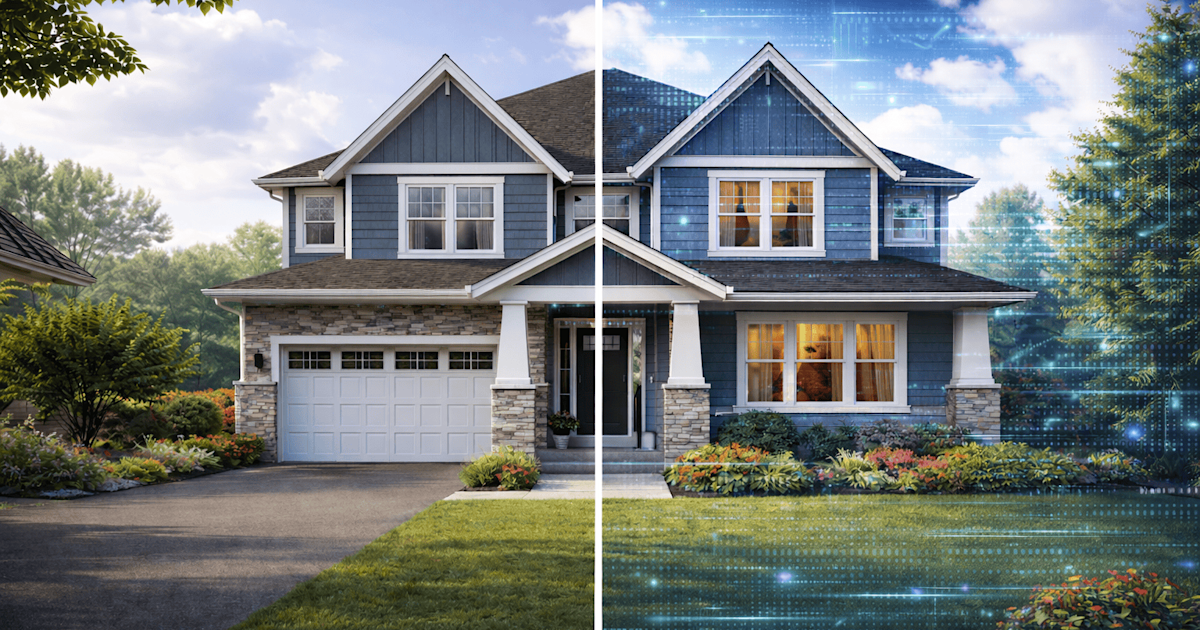
As we gaze into the crystal ball of the housing market, the year 2034 gleams with the promise of transformative change. According to a recent exploration by Norada Real Estate Investments, the next decade will be defined by technological innovation, demographic shifts, and evolving economic factors.

Demographic Shifts and Housing Demand

The US Census Bureau projects that by 2030, all baby boomers will be over 65, representing a significant 21% of the population. This aging demographic will drive demand for age-friendly housing with features like single-story layouts and wider doorways. Meanwhile, millennials and Gen Z will continue to influence market trends with their preference for urban living and sustainability.

Technological Advancements in Real Estate

The rapid pace of technological innovation is poised to revolutionize the housing market. Virtual and augmented reality will make house hunting a predominantly digital experience, while AI and machine learning will transform property valuation and mortgage approvals. The integration of smart home technology promises enhanced energy efficiency and security, making IoT devices a standard feature in homes.

Climate Change and Sustainable Housing

As climate change concerns intensify, there will be a greater emphasis on sustainability and resilience. Homes with high energy efficiency ratings and resilient construction will see increased demand, especially in areas prone to natural disasters. Urban planning will prioritize mixed-use developments and transit-oriented communities to reduce carbon footprints.

Evolving Work Patterns

The shift towards remote work, accelerated by the COVID-19 pandemic, is likely to have lasting effects on the housing market. Homes may increasingly feature dedicated office spaces, while suburban and rural areas could see a revival as workers seek larger homes away from urban centers.

Economic Factors and Housing Affordability

Housing affordability remains a critical issue. The trajectory of interest rates and income inequality will significantly impact the market. Government policies and alternative financing models, such as rent-to-own schemes, may offer solutions to affordability concerns.

The Rise of Build-to-Rent and Institutional Investors

The rental market is set to evolve, with build-to-rent communities and institutional investors playing pivotal roles. The future of platforms like Airbnb also hangs in the balance, with potential for increased regulation.

Urban Development and Regional Shifts

Cities will undergo significant changes, focusing on densification and adaptive reuse of commercial spaces. The concept of 15-minute cities, which emphasizes walkability and access to essential services, is likely to gain traction.

As we look ahead, the housing market in 2034 presents both challenges and opportunities. From leveraging technology for sustainable housing solutions to developing innovative financing models, the coming decade promises significant change and opportunity in American real estate.

Final Thoughts The housing landscape of 2034 will be more diverse, technologically advanced, and responsive to the needs of an evolving population. As we navigate these changes, adaptability and forward-thinking will be essential for homeowners, investors, and industry professionals alike.


ALSO READ:

More Articles

Getting licensed or staying ahead in your career can be a journey—but it doesn’t have to be overwhelming. Grab your favorite coffee or tea, take a moment to relax, and browse through our articles. Whether you’re just starting out or renewing your expertise, we’ve got tips, insights, and advice to keep you moving forward. Here’s to your success—one sip and one step at a time!

Florida’s Property Insurance Crisis Reaches Breaking Point as Lawmakers Hit Pause

Florida now leads the nation in property insurance costs, with many homeowners paying more than $10,000 a year for shrinking coverage and higher deductibles. Despite nearly half of hurricane‑related claims ending with no payout and appeals failing over 90% of the time, state leaders say reforms “need more time to work.” With key relief bills stalled and real estate professionals feeling the shockwaves, experts warn that legislative inaction is deepening a crisis that threatens homeownership and the state’s economic stability.

A Time of Reckoning for Commercial Real Estate

Banks are finally calling in billions tied to troubled commercial real estate loans, pushing delinquency rates to historic highs and ending years of “extend and pretend.” With more than 12% of office loans now delinquent and $875 billion in commercial debt maturing in 2026, regional banks and property owners are facing mounting pressure. As valuations drop and refinancing becomes harder, experts warn that tighter lending standards and broader economic ripple effects are on the horizon—making strategic preparation essential for today’s real estate and finance professionals.

Florida Ends FIGA’s 1% Insurance Assessment Two Years Early

Florida policyholders are getting rare good news: the Florida Insurance Guaranty Association is ending its 1% emergency insurance assessment on October 1—two years ahead of schedule. The decision follows a calmer hurricane season, fewer insurer insolvencies, and growing market stability. The early termination is expected to save Floridians up to $650 million, with the average homeowner seeing about $31 in annual savings. This marks another milestone in the state’s insurance market recovery after major legislative reforms in 2022 and 2023.

The Moment Real Estate Realized AI Isn’t a Toy Anymore

The real estate industry has officially moved past its AI honeymoon phase. What began as a fun, optional tool has quietly become the backbone of how agents create content, communicate with clients, and market properties. But with that shift comes rising concern about authenticity, legal risks, and whether consumers will start questioning what they’re really paying agents for. As AI blends into everything from listing descriptions to client advice, professionals now face a new challenge: proving the human value behind the technology.

Commercial Real Estate Is Finally Turning Around: Why 2026 Could Be the Big Rebound Year

After years of volatility, industry analysts say commercial real estate may finally be on the verge of a major comeback. Investment activity is rising, leasing demand is strengthening, and key cities like Manhattan are leading a broader national recovery. With vacancy rates expected to drop and high‑quality buildings outperforming the rest, 2026 is shaping up to be the turning point investors and professionals have been waiting for.

Rising Costs and Slower Premium Growth Signal a Tougher 2026 for P/C Insurance

AM Best warns that the property and casualty insurance market is heading into a more challenging 2026 as premium growth slows, inflation drives up claims costs, and combined ratios rise. Despite a strong 2025, moderating rates, higher repair and construction expenses, and ongoing reserve deficiencies are pressuring profitability. While commercial lines and personal lines both feel the strain, the E&S market continues to expand as traditional carriers pull back. This shifting landscape highlights the need for insurance professionals to stay sharp, informed, and adaptable.