As we gaze into the crystal ball of the housing market, the year 2034 gleams with the promise of transformative change. According to a recent exploration by Norada Real Estate Investments, the next decade will be defined by technological innovation, demographic shifts, and evolving economic factors.

Demographic Shifts and Housing Demand

The US Census Bureau projects that by 2030, all baby boomers will be over 65, representing a significant 21% of the population. This aging demographic will drive demand for age-friendly housing with features like single-story layouts and wider doorways. Meanwhile, millennials and Gen Z will continue to influence market trends with their preference for urban living and sustainability.

Technological Advancements in Real Estate

The rapid pace of technological innovation is poised to revolutionize the housing market. Virtual and augmented reality will make house hunting a predominantly digital experience, while AI and machine learning will transform property valuation and mortgage approvals. The integration of smart home technology promises enhanced energy efficiency and security, making IoT devices a standard feature in homes.

Climate Change and Sustainable Housing

As climate change concerns intensify, there will be a greater emphasis on sustainability and resilience. Homes with high energy efficiency ratings and resilient construction will see increased demand, especially in areas prone to natural disasters. Urban planning will prioritize mixed-use developments and transit-oriented communities to reduce carbon footprints.

Evolving Work Patterns

The shift towards remote work, accelerated by the COVID-19 pandemic, is likely to have lasting effects on the housing market. Homes may increasingly feature dedicated office spaces, while suburban and rural areas could see a revival as workers seek larger homes away from urban centers.

Economic Factors and Housing Affordability

Housing affordability remains a critical issue. The trajectory of interest rates and income inequality will significantly impact the market. Government policies and alternative financing models, such as rent-to-own schemes, may offer solutions to affordability concerns.

The Rise of Build-to-Rent and Institutional Investors

The rental market is set to evolve, with build-to-rent communities and institutional investors playing pivotal roles. The future of platforms like Airbnb also hangs in the balance, with potential for increased regulation.

Urban Development and Regional Shifts

Cities will undergo significant changes, focusing on densification and adaptive reuse of commercial spaces. The concept of 15-minute cities, which emphasizes walkability and access to essential services, is likely to gain traction.

As we look ahead, the housing market in 2034 presents both challenges and opportunities. From leveraging technology for sustainable housing solutions to developing innovative financing models, the coming decade promises significant change and opportunity in American real estate.

Final Thoughts The housing landscape of 2034 will be more diverse, technologically advanced, and responsive to the needs of an evolving population. As we navigate these changes, adaptability and forward-thinking will be essential for homeowners, investors, and industry professionals alike.


ALSO READ:

More Articles

Getting licensed or staying ahead in your career can be a journey—but it doesn’t have to be overwhelming. Grab your favorite coffee or tea, take a moment to relax, and browse through our articles. Whether you’re just starting out or renewing your expertise, we’ve got tips, insights, and advice to keep you moving forward. Here’s to your success—one sip and one step at a time!

Is Florida’s Booming Real Estate Market Becoming Unaffordable?

Florida is facing a real estate crisis marked by skyrocketing insurance premiums, stringent FEMA rules, and a surge in hedge fund property acquisitions.

By |November 14, 2024|Categories: Article, Finance/Economy, Real Estate|Tags: , |0 Comments

Revolutionizing Cancer Therapy: The Promise of Patient-Derived Organoids

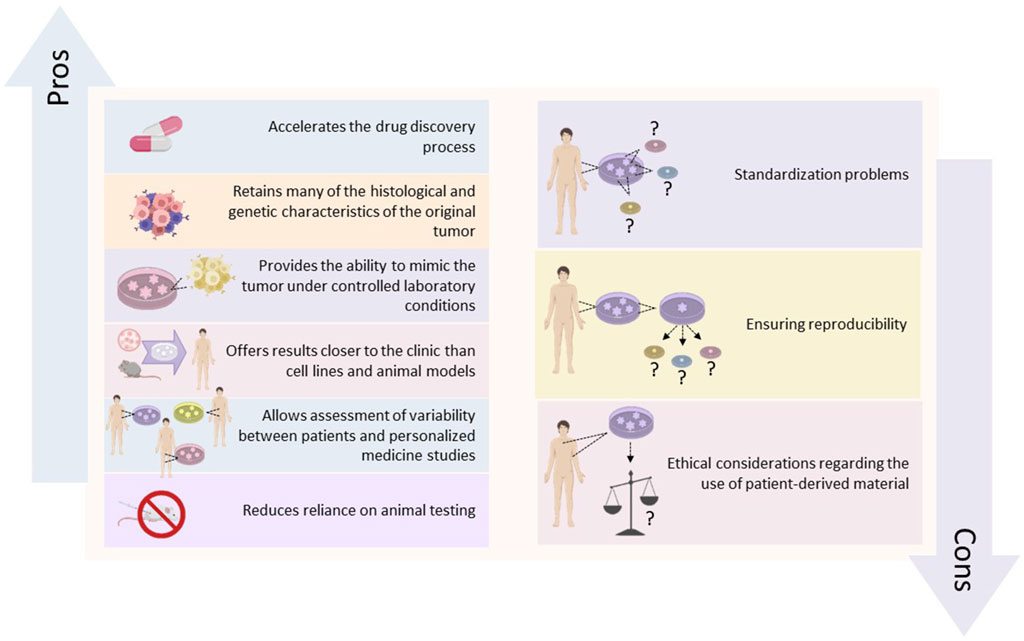
Patient-derived organoids offer an unprecedented opportunity to replicate the complex structure and genetic makeup of cancers, providing a more accurate model for clinical drug screening and pharmacognostic assessment.

The AI Revolution in Dermatology: A Systematic Review

In a groundbreaking study published in Nature, researchers have delved into the burgeoning field of artificial intelligence (AI) in dermatology, specifically examining its role in diagnosing skin cancer. The study, titled "A Systematic Review and Meta-Analysis of Artificial Intelligence Versus Clinicians for Skin Cancer Diagnosis," offers a comprehensive look at how AI stacks up against human clinicians in this critical area of healthcare.

By |November 14, 2024|Categories: AI in Healthcare, Article, Dermatology|Tags: , |0 Comments

The Fast Lane to Fully Autonomous Vehicles: Industry Innovations and Future Prospects

The automotive world is abuzz with announcements from major players like Tesla, Rimac, Renault, and Nissan, each unveiling plans to introduce autonomous vehicles in the near future. Tesla's much-anticipated "CyberCab" is set for an October 2024 debut, while Rimac and Renault are gearing up for releases in 2026.

Futureproofing for Insurers: The Role of AI and Hyper-Personalization

In a rapidly evolving industry, insurance companies are turning to artificial intelligence (AI) and hyper-personalization to stay ahead of the curve.

Revolutionizing Healthcare: The Power and Potential of AI

AI technology offers a multitude of benefits, from enhancing patient outcomes to reducing healthcare costs and improving population health. Its application ranges from preventive screenings to complex diagnostic procedures, marking a new era in medical care.

By |November 13, 2024|Categories: Article, Artificial Intelligence, Healthcare|Tags: , |0 Comments