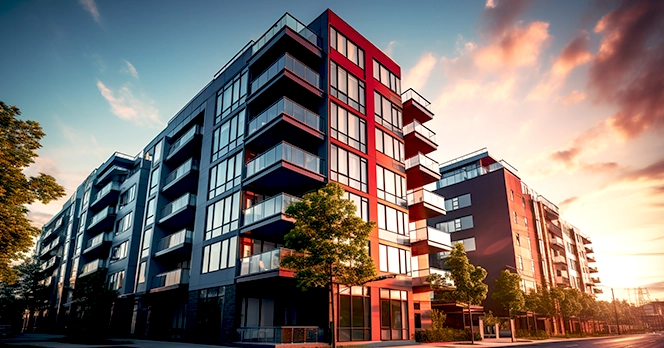
As we gaze into the crystal ball of the housing market, the year 2034 gleams with the promise of transformative change. According to a recent exploration by Norada Real Estate Investments, the next decade will be defined by technological innovation, demographic shifts, and evolving economic factors.

Demographic Shifts and Housing Demand

The US Census Bureau projects that by 2030, all baby boomers will be over 65, representing a significant 21% of the population. This aging demographic will drive demand for age-friendly housing with features like single-story layouts and wider doorways. Meanwhile, millennials and Gen Z will continue to influence market trends with their preference for urban living and sustainability.

Technological Advancements in Real Estate

The rapid pace of technological innovation is poised to revolutionize the housing market. Virtual and augmented reality will make house hunting a predominantly digital experience, while AI and machine learning will transform property valuation and mortgage approvals. The integration of smart home technology promises enhanced energy efficiency and security, making IoT devices a standard feature in homes.

Climate Change and Sustainable Housing

As climate change concerns intensify, there will be a greater emphasis on sustainability and resilience. Homes with high energy efficiency ratings and resilient construction will see increased demand, especially in areas prone to natural disasters. Urban planning will prioritize mixed-use developments and transit-oriented communities to reduce carbon footprints.

Evolving Work Patterns

The shift towards remote work, accelerated by the COVID-19 pandemic, is likely to have lasting effects on the housing market. Homes may increasingly feature dedicated office spaces, while suburban and rural areas could see a revival as workers seek larger homes away from urban centers.

Economic Factors and Housing Affordability

Housing affordability remains a critical issue. The trajectory of interest rates and income inequality will significantly impact the market. Government policies and alternative financing models, such as rent-to-own schemes, may offer solutions to affordability concerns.

The Rise of Build-to-Rent and Institutional Investors

The rental market is set to evolve, with build-to-rent communities and institutional investors playing pivotal roles. The future of platforms like Airbnb also hangs in the balance, with potential for increased regulation.

Urban Development and Regional Shifts

Cities will undergo significant changes, focusing on densification and adaptive reuse of commercial spaces. The concept of 15-minute cities, which emphasizes walkability and access to essential services, is likely to gain traction.

As we look ahead, the housing market in 2034 presents both challenges and opportunities. From leveraging technology for sustainable housing solutions to developing innovative financing models, the coming decade promises significant change and opportunity in American real estate.

Final Thoughts The housing landscape of 2034 will be more diverse, technologically advanced, and responsive to the needs of an evolving population. As we navigate these changes, adaptability and forward-thinking will be essential for homeowners, investors, and industry professionals alike.


ALSO READ:

More Articles

Getting licensed or staying ahead in your career can be a journey—but it doesn’t have to be overwhelming. Grab your favorite coffee or tea, take a moment to relax, and browse through our articles. Whether you’re just starting out or renewing your expertise, we’ve got tips, insights, and advice to keep you moving forward. Here’s to your success—one sip and one step at a time!

“Moving Past 2024’s Multifamily Real Estate Decline: A Comprehensive Guide for Investors”

Data from 2023 forecasts a potential "Multifamily Real Estate Decline 2024" due to rising cap rates and slowed NOI. However, resources from Cameron Academy help real estate professionals navigate "Investment Risks in Multifamily Properties" through real-time, accurate insights.

Explore Cash Borrowing Alternatives: Discover DSCR Loans’ Competitive Edge

Investing in real estate can be rewarding but finding the right financing can be challenging. One popular option is the BRRRR (Buy, Rehab, Rent, Refinance, Repeat) method, which involves purchasing distressed properties, renovating them, renting them out, and then refinancing to repeat the process. Traditional banks, private money lenders, portfolio lenders, and online lending platforms are all potential sources for BRRRR loans. Another financing option to consider is the DSCR (Debt Service Coverage Ratio) loan, which assesses the property's cash flow rather than just the borrower's income. DSCR loans are commonly used in commercial real estate investments and offer advantages like better cash flow assessment and flexibility for investors. However, they also come with drawbacks such as higher interest rates and stricter qualification requirements. Choosing the right financing option depends on investment strategy, financial considerations, qualification requirements, risk profile, and expert advice. By understanding the available options and considering individual circumstances, investors can select the financing option that aligns with their goals.

Potential Multifamily Real Estate Crash: Implications for Savvy Investors

In this blog excerpt, we discuss the forecast for catastrophic declines in the multifamily market by the end of 2024. Factors such as market saturation, economic uncertainty, and changing lifestyle preferences among renters contribute to this forecast. Potential risks for investors include oversupply, economic volatility, and shifts in tenant demand. Thorough research, analysis, and seeking advice from professionals are crucial for navigating the multifamily market. Being knowledgeable and making informed decisions are key to successful investments in real estate. To get started in the industry, visit CameronAcademy.com for licensing in Real Estate, Mortgage, Insurance, or Finance.

By |August 10, 2023|Categories: Real Estate News|Tags: , , , , |0 Comments

Which mortgage is right for you: fixed or adjustable rate?

In the world of mortgages, the debate between fixed rate and adjustable rate mortgages (FRM and ARM) rages on. FRMs provide consistency and protection against rising rates, while ARMs offer lower initial rates and flexibility. When choosing between the two, factors such as financial goals, economic conditions, time horizon, and risk tolerance must be considered. Ultimately, homeowners must weigh the pros and cons and seek professional advice before making a decision. After all, the right mortgage choice can have a lasting impact on one's financial well-being.

By |August 10, 2023|Categories: Article, Real Estate News|Tags: , , , , |0 Comments

House Hunting? Overcoming Obstacles to Find Your Dream Home

Navigating the complexities of the current housing market can be a daunting task for buyers and sellers alike. Affordability concerns, limited inventory, credit tightening, rising interest rates, and firming home prices are all factors contributing to the challenges in today's market. However, by conducting thorough research, partnering with knowledgeable real estate agents, planning for your budget and mortgage, seeking out alternative financing options, and being patient and flexible, you can overcome these obstacles. With perseverance, informed decision-making, and adaptability, success in real estate transactions can be achieved in any market environment.