2025: A Transformative Year for the AEC/O Industry
The AEC/O industry is on the cusp of a seismic transformation, driven by the integration of advanced technologies and innovative practices. As outlined in a recent article by Nemetschek, 2025 is set to be a landmark year, with significant shifts in workflows, sustainability priorities, and collaboration methods.
1. Interoperability as a Catalyst for Collaboration
Interoperability, particularly through open standards like OPEN BIM, is poised to play an even greater role in fostering seamless collaboration among architects, engineers, and construction professionals. This approach allows for unrestricted data exchange, enabling creative and high-quality project delivery.
2. User Experience Amidst Technical Complexity
Despite the growing complexity of technology, the emphasis remains on simplicity. By prioritizing intuitive design, the industry aims to empower users to leverage powerful solutions without the burden of navigating intricate interfaces.
3. Digital Twins Unlocking New Potentials
The focus on Digital Twins is set to simplify building digitization, unlocking insights that enhance predictive analytics, sustainability, and efficiency. This technology connects information across the building lifecycle, offering data-driven recommendations.
4. Open-Minded Innovation
Industry consolidation is anticipated as companies strive for greater efficiencies. Embracing innovation with an open mind is crucial for addressing complex challenges and driving technological advancements.
5. AI’s Prominent Role
Artificial Intelligence is expected to be prominently integrated into AEC/O solutions, enhancing efficiency and attracting tech-savvy talent, which is essential for alleviating the industry’s skills shortage.
6. Sustainability Integration
Sustainability will be seamlessly incorporated across all phases of AEC/O projects, supported by technologies like BIM, AI, and Digital Twins, to meet stricter environmental standards.
A Year to Remember
In 2025, the AEC/O industry is encouraged to embrace change by engaging with technologies like AI, Digital Twins, and BIM. By doing so, the sector can enhance efficiency, collaboration, and innovation, setting a new standard for others to follow.
More Articles
Getting licensed or staying ahead in your career can be a journey—but it doesn’t have to be overwhelming. Grab your favorite coffee or tea, take a moment to relax, and browse through our articles. Whether you’re just starting out or renewing your expertise, we’ve got tips, insights, and advice to keep you moving forward. Here’s to your success—one sip and one step at a time!
"AI tools excel at analyzing extensive patient data, from health history to lifestyle choices, allowing healthcare practitioners to create highly customized treatment plans for improved outcomes."
The financial sector is bracing for a wave of legal challenges, as evidenced by JPMorgan Chase's threat of litigation against the Consumer Financial Protection Bureau (CFPB).
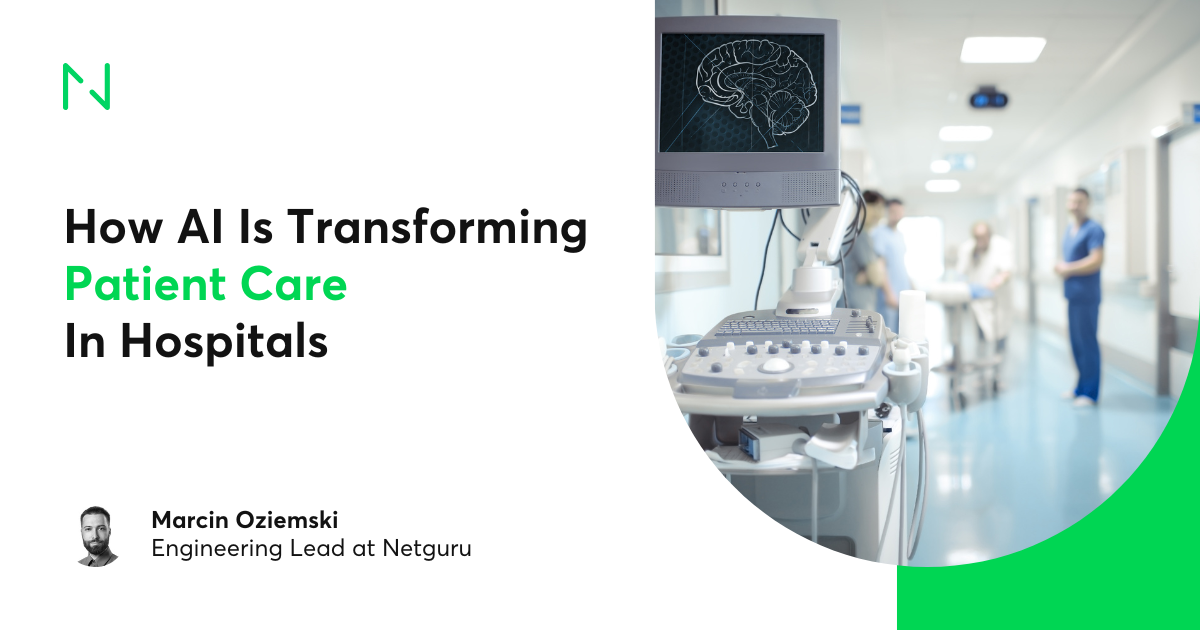
AI stands as a transformative force in the healthcare industry, facilitating diagnostic precision, patient-centered care, and efficient data management.
DeFi is poised to revolutionize financial inclusion by extending services to those previously excluded from traditional banking systems. By eliminating identification and geographical barriers, DeFi empowers individuals in underserved regions to engage in saving, borrowing, and investing.
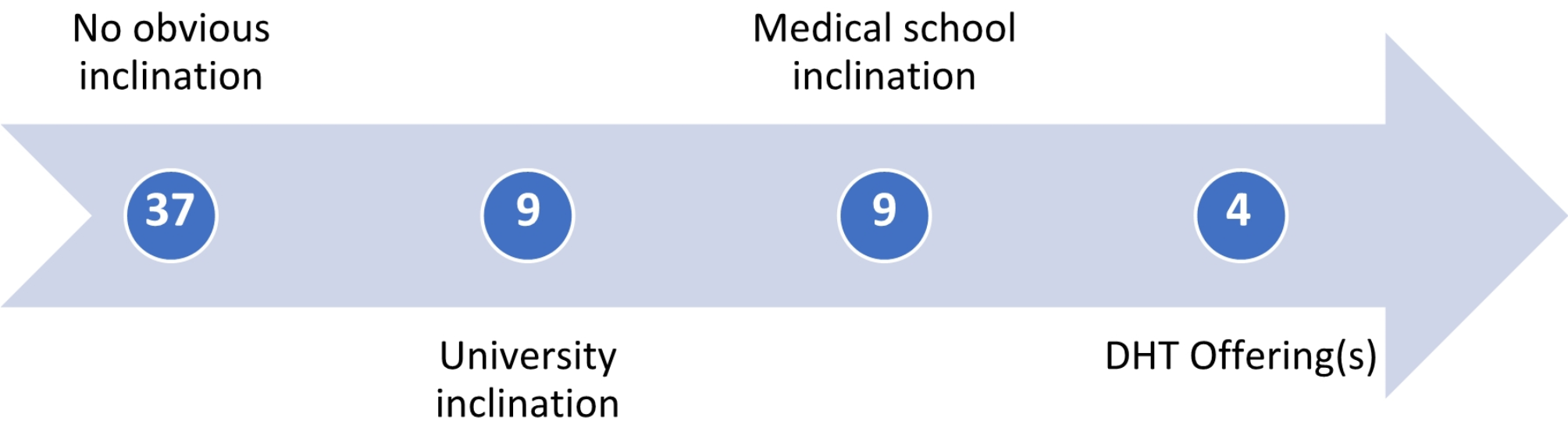
As the world of medicine continues to embrace the digital revolution, a recent study highlights a pressing issue: top-ranked medical schools are not adequately preparing future physicians to harness the power of Digital Health Technology (DHT).