In the ever-evolving world of architecture, 2025 is poised to be a year marked by innovation and transformation. As noted in a recent Newsweek article, industry experts are forecasting a range of exciting trends that promise to reshape both urban and residential landscapes.

High-Density Housing is at the forefront of this transformation. Dan Kaplan, a senior partner at FXCollaborative, highlights the growing embrace of very high-density, large-scale housing projects. These developments are designed to address housing shortages by prioritizing affordability, accessibility, and integration with public transit. Kaplan describes this trend as a cornerstone of urban development, a sentiment echoed throughout the architectural community.

In tandem with high-density projects, the focus on Remodeling and Repurposing existing structures is gaining momentum. With an emphasis on sustainability, architects are opting to renovate tall buildings, optimizing existing infrastructure to meet modern needs. Ignacio Rodriguez, founder and CEO of IR Architects, emphasizes the shift towards transitional architecture styles, working with the “existing bones” of structures to create sustainable and adaptable spaces.

The desire to Reconnect with Nature is another key theme. Ralph Choeff, founding principal architect of Choeff Levy Fischman Architecture + Design, notes the increasing demand for designs that incorporate natural elements. This trend is driven by a desire to integrate sustainability into modern design, with a focus on natural light, ventilation, and open plans that foster family interaction.

Christine Marvin, a prominent figure in the industry, highlights the rise of ‘Emotional Design’. She explains that homeowners are increasingly approaching designers with emotional goals for their spaces, seeking environments that are quiet, soothing, and energizing. This approach emphasizes the importance of creating spaces that reflect the essence and personality of the homeowner.

The architectural landscape is also expected to see a shift towards Curves and Softer Looks. Bree Steele, an interior designer at RJ Living, points out that flowing, curved elements will be a significant trend in 2025. These harmonious shapes resonate with the growing desire for spaces that promote wellness and relaxation.

As the population ages, the concept of ‘Aging in Place’ is becoming a priority. Eric J. Smith, a New York–based architect, discusses the integration of elevators in residential designs, making it easier for individuals to stay in their homes as they age. This trend underscores the importance of functional design that accommodates changing needs.

The blend of Indoor and Outdoor Living continues to captivate homeowners. Spaces that seamlessly integrate the indoors with the outdoors, such as those with floor-to-ceiling windows and patios, are increasingly popular. Meghann Van Dorn, an interior designer, emphasizes the significance of flexible, multiuse outdoor spaces that cater to modern lifestyles.

Finally, the growth of ‘Smart’ and ‘Human-Centric’ Design is set to redefine the industry. Tyler Kobick, principal architect and CEO of Design Draw Build, highlights the rapid shift towards smart home integration and human-centric design strategies. This approach prioritizes tangible, measurable progress in urban development, ensuring that architecture remains grounded and impactful.

As we look to the future, these trends promise to shape a new era of architecture, blending innovation with sustainability and emotional resonance. For more insights, refer to the original Newsweek article.

More Articles

Getting licensed or staying ahead in your career can be a journey—but it doesn’t have to be overwhelming. Grab your favorite coffee or tea, take a moment to relax, and browse through our articles. Whether you’re just starting out or renewing your expertise, we’ve got tips, insights, and advice to keep you moving forward. Here’s to your success—one sip and one step at a time!

Massachusetts Investment Firm Makes Strategic Move Into Connecticut With $3.65M Red Robin-Anchored Purchase

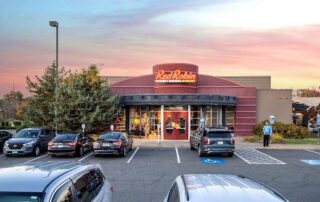
Newman Properties, a Massachusetts-based investment firm, has expanded its footprint into Connecticut with the $3.65 million acquisition of a 6,350‑square‑foot retail building in Enfield. Anchored by national restaurant chain Red Robin, the property offers the type of stable tenancy investors seek when entering new markets. The deal underscores growing confidence in anchored retail assets and provides a valuable real-world example for real estate professionals studying market analysis, investment strategy, and portfolio expansion.

JPMorgan Flags a Sunbelt Slowdown as Florida and Texas See Sharp Home Price Drops

JPMorgan now expects national home prices to flatten in 2026, but the Sunbelt is telling a very different story. Florida home values are down 5.1%, Texas is down 2.4%, and analysts warn that years of rapid building are finally catching up to the region. As demand stabilizes and inventory swells, real estate professionals — especially in Florida — face a market full of challenges, opportunities, and critical timing decisions.

AI Is Reshaping Mortgage Underwriting in 2026 as Industry Pros Brace for Major Change

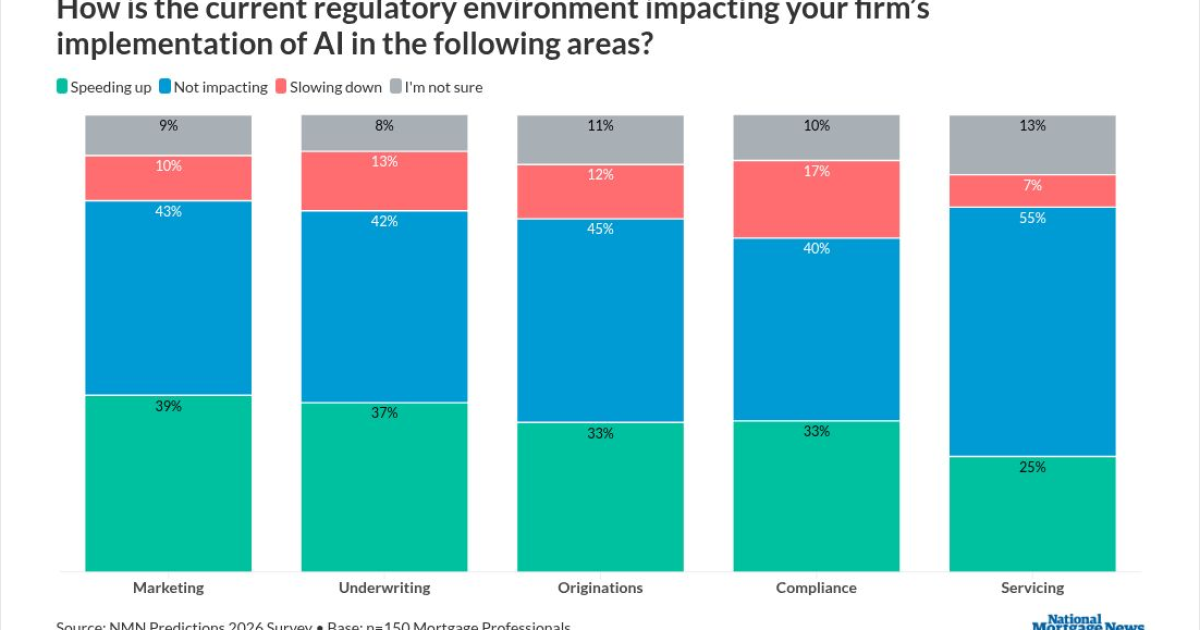
Artificial intelligence is finally stepping into the mortgage underwriting spotlight, with 57% of mortgage professionals predicting it will drive the most transformative industry shift in 2026. Thanks to major advancements in language models and workflow automation, AI is now capable of navigating the messy, document-heavy realities that have long slowed underwriting. From faster preapprovals to improved credit analysis and real‑time income verification, AI is streamlining processes while allowing underwriters to focus on true risk management. As regulatory winds shift and grassroots pressure builds within lending teams, the industry is entering a pivotal era where AI‑powered underwriting becomes not just an advantage — but an expectation.

Portland’s Commercial Market Suffers a Historic $2 Billion Collapse

Portland’s top 20 office towers have lost an unprecedented 70% of their value since 2019—plunging from $3 billion to under $1 billion—triggering tax revenue shortfalls, budget crises, and a surge in appeals as the city grapples with its biggest commercial real estate reset in modern history.

When Virtual Reality Becomes the New Penthouse Tour: Miami Students Step Inside a $1M Tech-Driven Luxury Tower Experience

South Florida’s luxury real estate market just raised the bar again — this time with a $1 million virtual reality system that lets buyers walk through Dolce & Gabbana’s upcoming Miami tower long before construction wraps. Real estate master’s students were given an immersive look inside the project, discovering how VR is transforming high‑end development, influencing buyer psychology, and shaping the future skills today’s professionals need.

Long Island’s Latest Commercial Moves: From Pizza Huts to Auto Parts Warehouses

Long Island’s commercial real estate scene is kicking off 2026 with a surge of activity—industrial leases in Medford, neighborhood retail trades in Bohemia, Pizza Hut’s new DELCO expansion in Centereach, mixed‑use acquisitions in Melville, and major investor interest in bank‑leased and franchise-backed properties. From warehouses to restaurant rebrands, these deals highlight a region evolving fast and offering fresh opportunities for agents, investors, and professionals looking to stay ahead in the market.