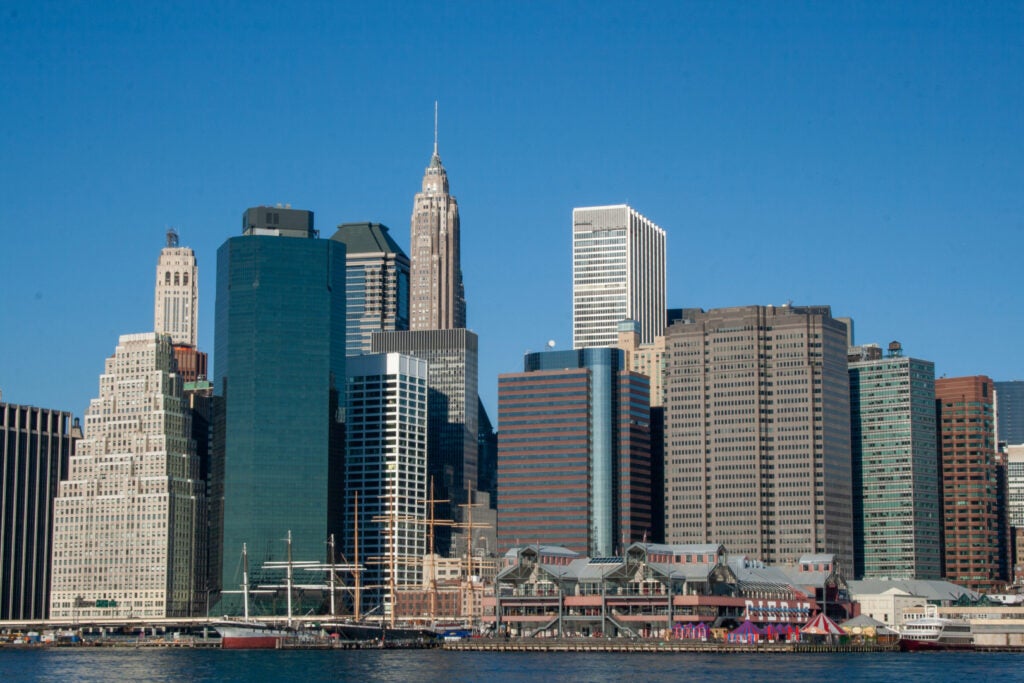
In the ever-evolving world of
architecture, 2025 is poised to be a year marked by
innovation and
transformation. As noted in a recent
Newsweek article, industry experts are forecasting a range of exciting trends that promise to reshape both
urban and
residential landscapes.
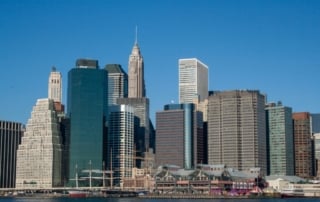
High-Density Housing is at the forefront of this transformation. Dan Kaplan, a senior partner at FXCollaborative, highlights the growing embrace of very high-density, large-scale housing projects. These developments are designed to address
housing shortages by prioritizing
affordability,
accessibility, and integration with public transit. Kaplan describes this trend as a cornerstone of urban development, a sentiment echoed throughout the architectural community.
In tandem with high-density projects, the focus on
Remodeling and Repurposing existing structures is gaining momentum. With an emphasis on
sustainability, architects are opting to renovate tall buildings, optimizing existing infrastructure to meet modern needs. Ignacio Rodriguez, founder and CEO of IR Architects, emphasizes the shift towards transitional architecture styles, working with the “existing bones” of structures to create sustainable and adaptable spaces.
The desire to
Reconnect with Nature is another key theme. Ralph Choeff, founding principal architect of Choeff Levy Fischman Architecture + Design, notes the increasing demand for designs that incorporate natural elements. This trend is driven by a desire to integrate sustainability into modern design, with a focus on
natural light,
ventilation, and open plans that foster family interaction.
Christine Marvin, a prominent figure in the industry, highlights the rise of
‘Emotional Design’. She explains that homeowners are increasingly approaching designers with emotional goals for their spaces, seeking environments that are quiet, soothing, and energizing. This approach emphasizes the importance of creating spaces that reflect the essence and personality of the homeowner.
The architectural landscape is also expected to see a shift towards
Curves and Softer Looks. Bree Steele, an interior designer at RJ Living, points out that flowing, curved elements will be a significant trend in 2025. These harmonious shapes resonate with the growing desire for spaces that promote wellness and relaxation.
As the population ages, the concept of
‘Aging in Place’ is becoming a priority. Eric J. Smith, a New York–based architect, discusses the integration of elevators in residential designs, making it easier for individuals to stay in their homes as they age. This trend underscores the importance of functional design that accommodates changing needs.
The blend of
Indoor and Outdoor Living continues to captivate homeowners. Spaces that seamlessly integrate the indoors with the outdoors, such as those with floor-to-ceiling windows and patios, are increasingly popular. Meghann Van Dorn, an interior designer, emphasizes the significance of flexible, multiuse outdoor spaces that cater to modern lifestyles.
Finally, the growth of
‘Smart’ and ‘Human-Centric’ Design is set to redefine the industry. Tyler Kobick, principal architect and CEO of Design Draw Build, highlights the rapid shift towards smart home integration and human-centric design strategies. This approach prioritizes tangible, measurable progress in urban development, ensuring that architecture remains grounded and impactful.
As we look to the future, these trends promise to shape a new era of
architecture, blending
innovation with
sustainability and emotional resonance. For more insights, refer to the original
Newsweek article.