In the ever-evolving world of architecture, 2025 is poised to be a year marked by innovation and transformation. As noted in a recent Newsweek article, industry experts are forecasting a range of exciting trends that promise to reshape both urban and residential landscapes.

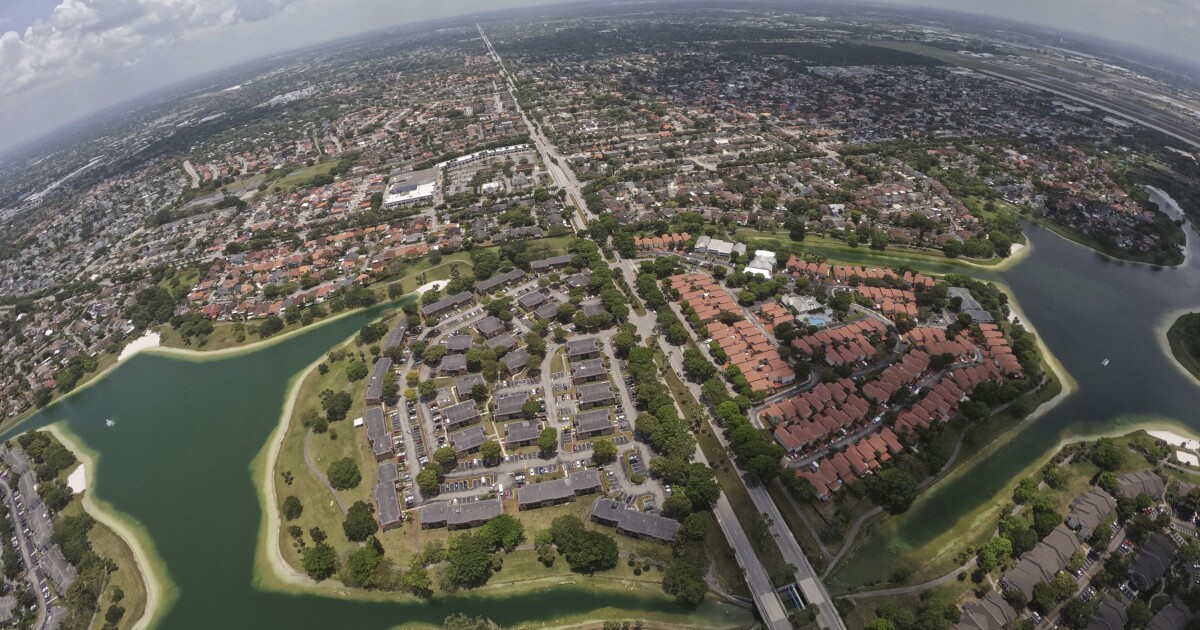
High-Density Housing is at the forefront of this transformation. Dan Kaplan, a senior partner at FXCollaborative, highlights the growing embrace of very high-density, large-scale housing projects. These developments are designed to address housing shortages by prioritizing affordability, accessibility, and integration with public transit. Kaplan describes this trend as a cornerstone of urban development, a sentiment echoed throughout the architectural community.

In tandem with high-density projects, the focus on Remodeling and Repurposing existing structures is gaining momentum. With an emphasis on sustainability, architects are opting to renovate tall buildings, optimizing existing infrastructure to meet modern needs. Ignacio Rodriguez, founder and CEO of IR Architects, emphasizes the shift towards transitional architecture styles, working with the “existing bones” of structures to create sustainable and adaptable spaces.

The desire to Reconnect with Nature is another key theme. Ralph Choeff, founding principal architect of Choeff Levy Fischman Architecture + Design, notes the increasing demand for designs that incorporate natural elements. This trend is driven by a desire to integrate sustainability into modern design, with a focus on natural light, ventilation, and open plans that foster family interaction.

Christine Marvin, a prominent figure in the industry, highlights the rise of ‘Emotional Design’. She explains that homeowners are increasingly approaching designers with emotional goals for their spaces, seeking environments that are quiet, soothing, and energizing. This approach emphasizes the importance of creating spaces that reflect the essence and personality of the homeowner.

The architectural landscape is also expected to see a shift towards Curves and Softer Looks. Bree Steele, an interior designer at RJ Living, points out that flowing, curved elements will be a significant trend in 2025. These harmonious shapes resonate with the growing desire for spaces that promote wellness and relaxation.

As the population ages, the concept of ‘Aging in Place’ is becoming a priority. Eric J. Smith, a New York–based architect, discusses the integration of elevators in residential designs, making it easier for individuals to stay in their homes as they age. This trend underscores the importance of functional design that accommodates changing needs.

The blend of Indoor and Outdoor Living continues to captivate homeowners. Spaces that seamlessly integrate the indoors with the outdoors, such as those with floor-to-ceiling windows and patios, are increasingly popular. Meghann Van Dorn, an interior designer, emphasizes the significance of flexible, multiuse outdoor spaces that cater to modern lifestyles.

Finally, the growth of ‘Smart’ and ‘Human-Centric’ Design is set to redefine the industry. Tyler Kobick, principal architect and CEO of Design Draw Build, highlights the rapid shift towards smart home integration and human-centric design strategies. This approach prioritizes tangible, measurable progress in urban development, ensuring that architecture remains grounded and impactful.

As we look to the future, these trends promise to shape a new era of architecture, blending innovation with sustainability and emotional resonance. For more insights, refer to the original Newsweek article.

More Articles

Getting licensed or staying ahead in your career can be a journey—but it doesn’t have to be overwhelming. Grab your favorite coffee or tea, take a moment to relax, and browse through our articles. Whether you’re just starting out or renewing your expertise, we’ve got tips, insights, and advice to keep you moving forward. Here’s to your success—one sip and one step at a time!

The Mortgage Industry’s AI Transformation: Automation Reshapes Lending From Application to Approval

Artificial intelligence is rapidly reshaping the mortgage industry, boosting productivity, reducing manual work, and accelerating loan closings. From automated document data extraction to AI‑generated underwriting narratives and predictive analytics, lenders are using new tools that improve accuracy and drastically speed up processing times. With chatbots, next‑gen point‑of‑sale systems, and end‑to‑end automation, preapprovals that once took days now take minutes. For mortgage and real estate professionals, mastering AI is becoming a major competitive advantage—one that defines who will thrive in the future of lending.

Why Your Insurance Bill Is Rising Even as Florida Rates Go Down

Florida’s property insurance rates are finally starting to drop, but many homeowners are still seeing higher monthly bills. The reason isn’t insurer price hikes—it’s soaring replacement costs driven by construction inflation, labor shortages, and rising home values. Nearly 75 percent of recent premium increases came from higher property values alone. Understanding this gap between “rates” and “premiums” helps homeowners—and real estate and insurance professionals—navigate the shifting Florida market and make smarter coverage decisions.

Milwaukee’s Commercial Real Estate Market Turns a Corner

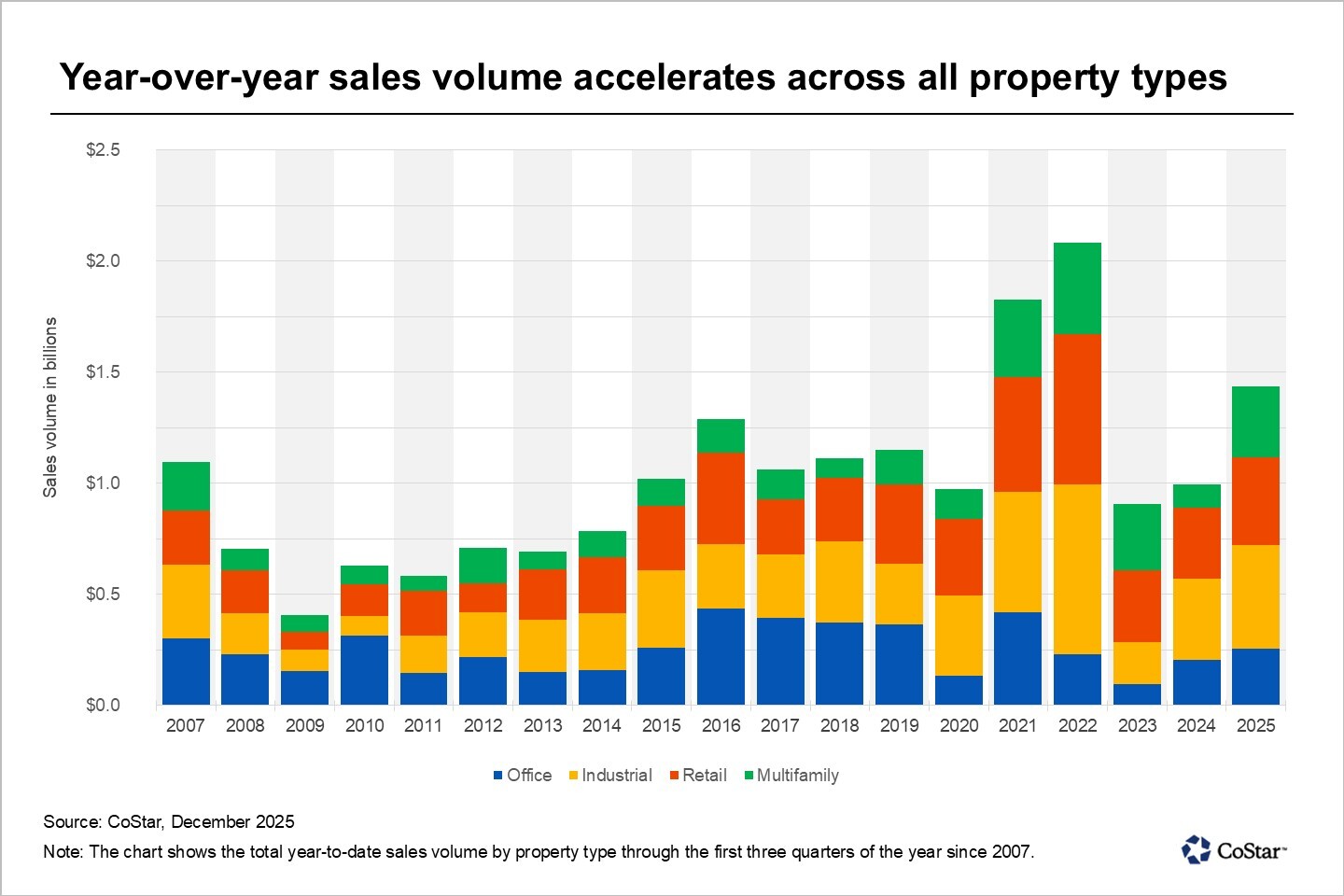
Milwaukee’s commercial real estate market is finally showing real signs of recovery, with 2025 sales volume hitting a three‑year high and investor confidence steadily returning. Driven by selective, fundamentals‑focused buying—favoring strong cash flow, quality assets, and strategic pricing—the city is moving from a period of correction into a healthier, opportunity‑rich phase. For real estate professionals nationwide, Milwaukee’s momentum reflects broader CRE market stabilization and the growing importance of disciplined underwriting and market expertise.

Reverse Mortgage Market Poised for Breakout Growth in 2026

Industry leaders project a major surge in reverse mortgage activity heading into 2026, fueled by rising proprietary products, lender innovation, and strong investor interest. As high interest rates push originators to adopt new strategies, flexible private‑label options, senior‑focused HELOCs, and a wave of big‑capital investment are reshaping the market. With education and policy shifts poised to unlock even more demand, reverse mortgages are entering their most transformative era yet.

The 2026 Housing Market Outlook: Is Better Inventory Finally on the Horizon?

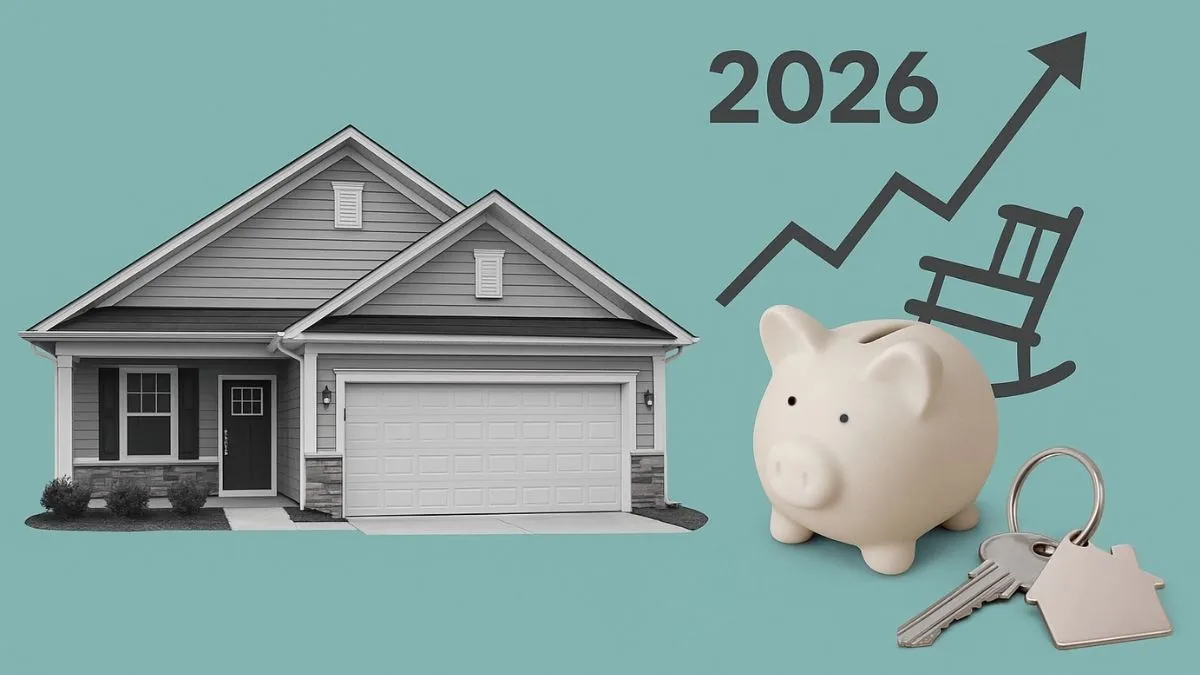
Experts forecast that 2026 may bring long‑awaited relief to homebuyers, with both existing and new home inventory expected to rise. NAR predicts a boost in home sales, a slight drop in mortgage rates, and a modest 4% increase in prices—conditions that could motivate more homeowners to list while builders add over a million new homes to the market. For first‑time buyers, higher loan limits and easing qualification standards may make entering the market more achievable than in recent years.

Lower Interest Rates Signal a Brighter 2026 for South Florida Real Estate

South Florida enters 2026 with renewed optimism as falling mortgage rates, improving buyer confidence, and a strong job market help stabilize a housing landscape that struggled in 2025—especially in the condo sector. While single-family homes remained resilient last year, condos faced price drops, rising fees, and hesitation tied to new safety regulations. With rates projected to fall to around 5.8% by year’s end, buying power is increasing, inventory may loosen, and activity is expected to pick up. Still, affordability challenges persist, Miami’s rental market remains intensely competitive, and the condo sector’s recovery will take time.