In the ever-evolving world of architecture, 2025 is poised to be a year marked by innovation and transformation. As noted in a recent Newsweek article, industry experts are forecasting a range of exciting trends that promise to reshape both urban and residential landscapes.

High-Density Housing is at the forefront of this transformation. Dan Kaplan, a senior partner at FXCollaborative, highlights the growing embrace of very high-density, large-scale housing projects. These developments are designed to address housing shortages by prioritizing affordability, accessibility, and integration with public transit. Kaplan describes this trend as a cornerstone of urban development, a sentiment echoed throughout the architectural community.

In tandem with high-density projects, the focus on Remodeling and Repurposing existing structures is gaining momentum. With an emphasis on sustainability, architects are opting to renovate tall buildings, optimizing existing infrastructure to meet modern needs. Ignacio Rodriguez, founder and CEO of IR Architects, emphasizes the shift towards transitional architecture styles, working with the “existing bones” of structures to create sustainable and adaptable spaces.

The desire to Reconnect with Nature is another key theme. Ralph Choeff, founding principal architect of Choeff Levy Fischman Architecture + Design, notes the increasing demand for designs that incorporate natural elements. This trend is driven by a desire to integrate sustainability into modern design, with a focus on natural light, ventilation, and open plans that foster family interaction.

Christine Marvin, a prominent figure in the industry, highlights the rise of ‘Emotional Design’. She explains that homeowners are increasingly approaching designers with emotional goals for their spaces, seeking environments that are quiet, soothing, and energizing. This approach emphasizes the importance of creating spaces that reflect the essence and personality of the homeowner.

The architectural landscape is also expected to see a shift towards Curves and Softer Looks. Bree Steele, an interior designer at RJ Living, points out that flowing, curved elements will be a significant trend in 2025. These harmonious shapes resonate with the growing desire for spaces that promote wellness and relaxation.

As the population ages, the concept of ‘Aging in Place’ is becoming a priority. Eric J. Smith, a New York–based architect, discusses the integration of elevators in residential designs, making it easier for individuals to stay in their homes as they age. This trend underscores the importance of functional design that accommodates changing needs.

The blend of Indoor and Outdoor Living continues to captivate homeowners. Spaces that seamlessly integrate the indoors with the outdoors, such as those with floor-to-ceiling windows and patios, are increasingly popular. Meghann Van Dorn, an interior designer, emphasizes the significance of flexible, multiuse outdoor spaces that cater to modern lifestyles.

Finally, the growth of ‘Smart’ and ‘Human-Centric’ Design is set to redefine the industry. Tyler Kobick, principal architect and CEO of Design Draw Build, highlights the rapid shift towards smart home integration and human-centric design strategies. This approach prioritizes tangible, measurable progress in urban development, ensuring that architecture remains grounded and impactful.

As we look to the future, these trends promise to shape a new era of architecture, blending innovation with sustainability and emotional resonance. For more insights, refer to the original Newsweek article.

More Articles

Getting licensed or staying ahead in your career can be a journey—but it doesn’t have to be overwhelming. Grab your favorite coffee or tea, take a moment to relax, and browse through our articles. Whether you’re just starting out or renewing your expertise, we’ve got tips, insights, and advice to keep you moving forward. Here’s to your success—one sip and one step at a time!

Florida’s Political Storm: Immigration Protests, Insurance Shakeups, and Health Care Uncertainty

Palm Beach protests erupted as intensified immigration enforcement reached the heart of Trump’s hometown, while millions in Florida brace for rising health care costs as key subsidies near expiration. At the same time, state regulators boldly declare the long‑running property insurance crisis “over,” leaving homeowners and industry professionals questioning whether true stability has finally returned.

Real Estate Strategic Outlooks: Year-End 2025

As 2025 comes to a close, the real estate industry is shifting from uncertainty to strategic expansion. According to DWS’s Year-End 2025 Outlook, property values are stabilizing after years of repricing, capital is concentrating on high-quality assets, and Sunbelt markets—especially Florida—continue to outperform. With technology enhancing rather than replacing professional expertise, 2026 is shaping up to reward professionals who stay informed, skilled, and strategically positioned for the next cycle.

Texas Investors Ride Into San Francisco, Snapping Up Union Square Deals as the Market Hits Bottom

Texas capital is pouring into San Francisco’s long‑struggling commercial real estate market, with Lone Star investors buying up discounted Union Square buildings and signaling what many experts believe is the city’s market bottom. As office activity and confidence begin to return, buyers from across the country are joining the rush, turning SF’s post‑pandemic slump into one of the nation’s hottest bargain opportunities.

2026 Tech100 Countdown: Housing Tech Innovation Surges as Nomination Window Closes

With 2026 HousingWire Tech100 nominations closing on December 19, the housing tech sector is accelerating at full speed. AI‑powered data platforms, digital closing breakthroughs, embedded insurance growth, and next‑generation servicing automation are reshaping real estate, mortgage, insurance, and finance. From ATTOM’s AI‑ready property intelligence to Hapi Homes’ Martha Stewart design revival, Obie’s nationwide expansion, Outamation’s servicing automation, and ServiceLink’s next‑level borrower scheduling, this year’s standout innovators are defining the future of the housing economy.

Woodland Hills Retail Center Sold for $64 Million in Major Southern California CRE Deal

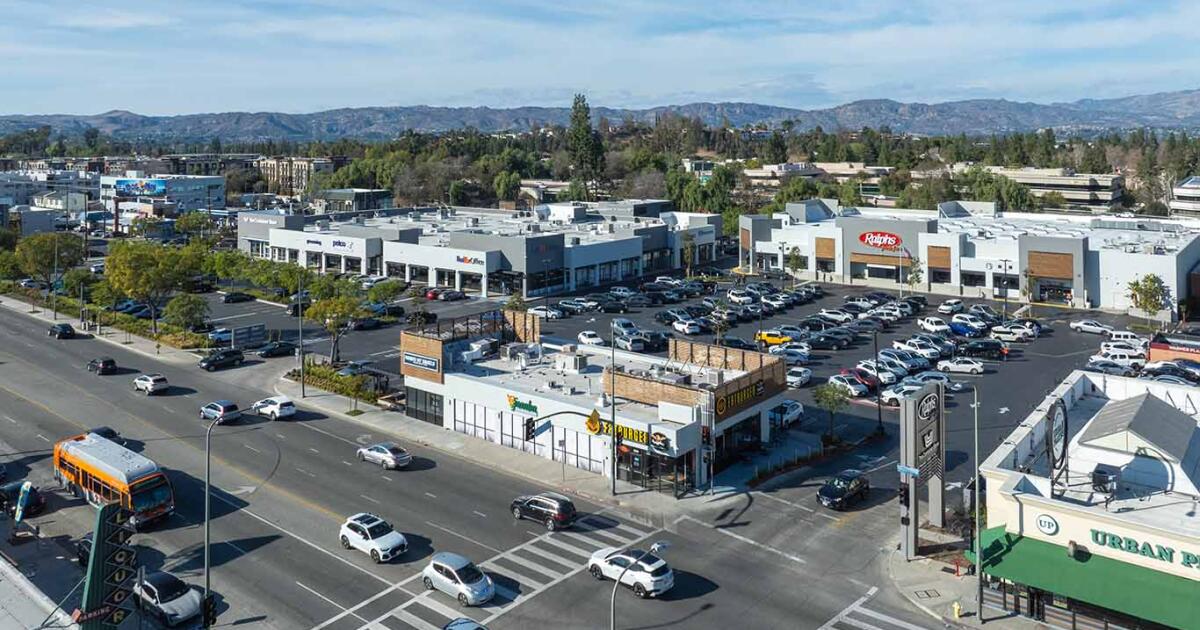
Space Investment Partners has acquired the 123,402‑square‑foot Topanga Gateway retail center in Woodland Hills for $64 million, marking another significant move in the firm’s expanding grocery‑anchored investment strategy. Located at a high‑visibility intersection and 97% occupied at the time of sale, the property strengthens the company’s push toward $500 million to $1 billion in retail acquisitions for 2026, underscoring continued investor confidence in necessity‑based retail assets.

Mortgage Rates Shift After Final 2025 Fed Cut: What Homebuyers Should Know Today

After the Federal Reserve’s final 2025 rate cut on December 10, mortgage markets are recalibrating, giving buyers and homeowners a glimmer of relief. Rates remain lower than earlier in the year, with 30-year fixed loans at 6.12% and refinances dipping as well. This shift may spark renewed activity for buyers, refinancers, and real estate professionals heading into 2026.