In the ever-evolving world of architecture, 2025 is poised to be a year marked by innovation and transformation. As noted in a recent Newsweek article, industry experts are forecasting a range of exciting trends that promise to reshape both urban and residential landscapes.

High-Density Housing is at the forefront of this transformation. Dan Kaplan, a senior partner at FXCollaborative, highlights the growing embrace of very high-density, large-scale housing projects. These developments are designed to address housing shortages by prioritizing affordability, accessibility, and integration with public transit. Kaplan describes this trend as a cornerstone of urban development, a sentiment echoed throughout the architectural community.

In tandem with high-density projects, the focus on Remodeling and Repurposing existing structures is gaining momentum. With an emphasis on sustainability, architects are opting to renovate tall buildings, optimizing existing infrastructure to meet modern needs. Ignacio Rodriguez, founder and CEO of IR Architects, emphasizes the shift towards transitional architecture styles, working with the “existing bones” of structures to create sustainable and adaptable spaces.

The desire to Reconnect with Nature is another key theme. Ralph Choeff, founding principal architect of Choeff Levy Fischman Architecture + Design, notes the increasing demand for designs that incorporate natural elements. This trend is driven by a desire to integrate sustainability into modern design, with a focus on natural light, ventilation, and open plans that foster family interaction.

Christine Marvin, a prominent figure in the industry, highlights the rise of ‘Emotional Design’. She explains that homeowners are increasingly approaching designers with emotional goals for their spaces, seeking environments that are quiet, soothing, and energizing. This approach emphasizes the importance of creating spaces that reflect the essence and personality of the homeowner.

The architectural landscape is also expected to see a shift towards Curves and Softer Looks. Bree Steele, an interior designer at RJ Living, points out that flowing, curved elements will be a significant trend in 2025. These harmonious shapes resonate with the growing desire for spaces that promote wellness and relaxation.

As the population ages, the concept of ‘Aging in Place’ is becoming a priority. Eric J. Smith, a New York–based architect, discusses the integration of elevators in residential designs, making it easier for individuals to stay in their homes as they age. This trend underscores the importance of functional design that accommodates changing needs.

The blend of Indoor and Outdoor Living continues to captivate homeowners. Spaces that seamlessly integrate the indoors with the outdoors, such as those with floor-to-ceiling windows and patios, are increasingly popular. Meghann Van Dorn, an interior designer, emphasizes the significance of flexible, multiuse outdoor spaces that cater to modern lifestyles.

Finally, the growth of ‘Smart’ and ‘Human-Centric’ Design is set to redefine the industry. Tyler Kobick, principal architect and CEO of Design Draw Build, highlights the rapid shift towards smart home integration and human-centric design strategies. This approach prioritizes tangible, measurable progress in urban development, ensuring that architecture remains grounded and impactful.

As we look to the future, these trends promise to shape a new era of architecture, blending innovation with sustainability and emotional resonance. For more insights, refer to the original Newsweek article.

More Articles

Getting licensed or staying ahead in your career can be a journey—but it doesn’t have to be overwhelming. Grab your favorite coffee or tea, take a moment to relax, and browse through our articles. Whether you’re just starting out or renewing your expertise, we’ve got tips, insights, and advice to keep you moving forward. Here’s to your success—one sip and one step at a time!

The Surprising Way to Profit From the AI Boom: It’s Not Tech—It’s Real Estate

While most people chase AI stocks or compete for high‑pressure tech jobs, the real opportunity may be unfolding in AI boomtown real estate. As companies like OpenAI, Anthropic, Microsoft, and NVIDIA mint new waves of wealthy workers, demand for housing in key cities is exploding. From San Francisco to Austin, AI‑driven markets are seeing rising rents, limited inventory, and buyers preparing for massive IPO windfalls. For real estate professionals—or anyone entering the field—this surge represents one of the strongest long‑term opportunities in the industry.

Florida Ends Insurance Surcharge Early, Saving Homeowners $650 Million

Florida is ending its 1 percent emergency insurance surcharge two years ahead of schedule, saving homeowners an estimated 650 million dollars through 2028. Thanks to a calm hurricane season, fewer insurer failures, and reduced lawsuits, officials say the state’s property insurance market is now in its strongest financial position in a decade. The change offers relief for homeowners and new momentum for Florida’s real estate industry, where lower insurance costs can boost buyer confidence and support smoother transactions.

The Hidden Risk: Why Banning Big Investors Could Shrink Housing Options for Millions

A growing political push to block institutional investors from buying single-family homes may sound like a pro-homeowner policy, but the data shows it could do the opposite. Younger and racially diverse renters rely heavily on single-family rentals as an affordable, stable alternative to buying—yet restricting investor participation would shrink this supply, pushing many families into overcrowded housing, motels, or homelessness. The real issue isn’t who buys the homes, but that America doesn’t have enough of them.

Agents Embrace AI and Simplicity: Zillow’s 2026 Survey Shows What Real Estate Pros Really Want

Zillow’s 2026 Agent Trends Survey reveals a major shift in what agents value most: technology that reduces mental drain. Nearly half of agents now use AI tools daily, yet most still juggle multiple platforms that sap their focus. Zillow’s upcoming unified platform, Zillow Pro, aims to streamline workflows and cut cognitive load. The survey also highlights key industry trends, including buyer financial literacy gaps, the importance of relationships for lead generation and the growing need for tech fluency among both new and seasoned real estate professionals.

Florida Cities With the Fastest Growing Home Prices in 2026

Florida’s housing market is still surging, with luxury enclaves like Lake Buena Vista, Jupiter Island, and Golden Beach seeing massive six‑figure price jumps in just one year. Smaller towns such as Old Town, Cross City, and Hosford also posted steady gains, proving demand is rising statewide. For real estate professionals, these trends highlight where buyers are moving, where inventory is tight, and where future opportunities lie—making market literacy an essential advantage for anyone pursuing or expanding a career in Florida real estate.

Rhode Island Unveils Bold Housing Package to Tackle Affordability Crisis

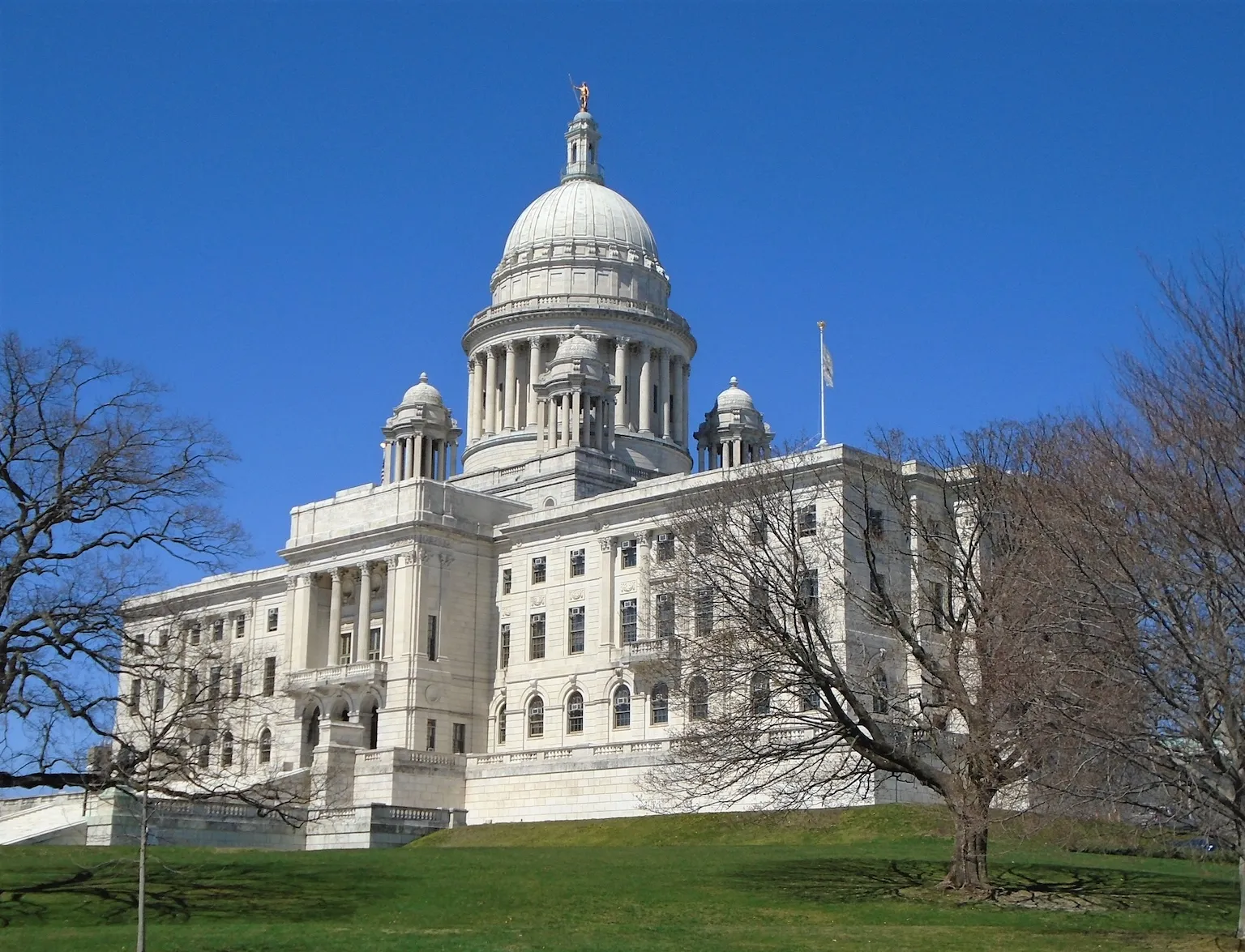
Rhode Island is launching its sixth major housing reform package, aiming to boost affordability through zoning updates, lot splits, code changes, and the revival of single room occupancy and co‑living housing. With the state still recovering from years of underbuilding and soaring home prices, lawmakers hope these reforms will unlock new supply, ease pressure on renters and buyers, and create fresh opportunities for real estate professionals.