In the evolving financial landscape of 2025, banks are expected to face unprecedented challenges and opportunities as they navigate a low-growth and lower-rate environment. Deloitte’s comprehensive assessment, as detailed in their 2025 Banking and Capital Markets Outlook, predicts that weak interest margins, set to dip to around 3% by the end of 2025, will push banks to pivot their strategies towards boosting noninterest income, especially through investment banking and asset management portfolios.
The pressing need to control soaring expenses due to heightened compensation and technological investments underscores the vital focus on expense management, targeting a 60% efficiency ratio by 2025. Credit conditions are returning to normalcy with expectations of a modest increase in delinquencies and net charge-offs from 2024 levels. However, large diversified banks find themselves in a favorable position thanks to their broad revenue streams and financial resilience, vis-a-vis regional banks that face tighter credit standards.
Strategic Adaptation and Technological Modernization
The overarching goal for banks will be to adapt adeptly to macroeconomic shifts and regulatory implementations such as the Basel III Endgame re-proposal, which calls for strategic recalibration to ensure compliance without sacrificing growth. The detailed 2025 Banking Outlook emphasizes the strategic necessity for technological modernization, particularly leveraging AI to streamline operations, manage cost efficiencies, and propel banking institutions into future-ready entities.
By addressing both immediate financial metrics and underlying technological frameworks, banks are poised for a transformative journey amidst an unprecedented future. This transformation will require a delicate balance between maintaining robust financial health and pioneering innovation in banking services.
Harnessing Insights for Competitive Advantage
Considering these dynamics, banking leaders must strategize effectively to harness these insights. Weighty decisions involving technology investments, compliance expenditures, and workforce management will undeniably shape the banks’ ability to maintain competitiveness and secure growth in a rapidly shifting sectoral ecosystem.
The insights from Deloitte’s report serve as a crucial guide for banks aiming to navigate the complexities of 2025 and beyond, ensuring they remain resilient and adaptable in an ever-evolving financial world.
More Articles
Getting licensed or staying ahead in your career can be a journey—but it doesn’t have to be overwhelming. Grab your favorite coffee or tea, take a moment to relax, and browse through our articles. Whether you’re just starting out or renewing your expertise, we’ve got tips, insights, and advice to keep you moving forward. Here’s to your success—one sip and one step at a time!
Florida families are feeling the squeeze as everyday costs, insurance premiums, and homeownership barriers continue to climb. House District 102 candidate Jayden D’Onofrio is calling for a broader, more unified affordability strategy—one that tackles the state’s insurance crisis, supports first‑time homebuyers, and restores real competition in the market. His message centers on transparency, practical solutions, and keeping Florida livable for the professionals, workers, and families who power its economy.
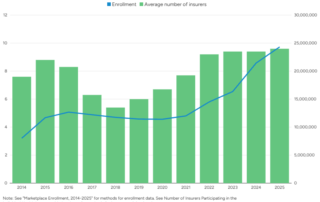
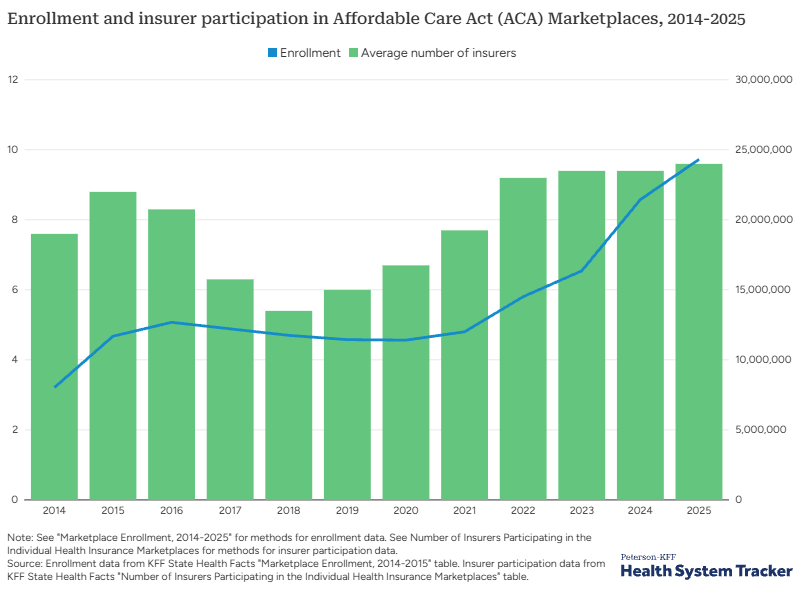
A decade of dramatic change is reshaping America’s health insurance markets. Employer group plans are becoming increasingly dominated by a few powerful insurers, while the ACA individual marketplace is experiencing record‑breaking competition and enrollment. Self‑funded plans are surging, small‑group premiums are driving employers to new coverage models, and major policy shifts in 2025 could redefine affordability for millions. This data‑driven Peterson‑KFF analysis breaks down the trends every insurance, finance, and business professional needs to understand as the industry enters a transformative new era.
Sarasota County is inching closer to approving Winchester Ranch, a massive 8,999‑home community planned for more than 3,100 acres in North Port. With a 7‑1 vote from the Planning Commission and a final decision expected in early 2026, the project could become one of Southwest Florida’s largest developments in decades—bringing new housing, commercial space, and industry while raising fresh questions about growth, the environment, and the region’s rapidly evolving real estate market.
Lument Finance Trust has closed a major $663.8 million commercial real estate CLO, marking one of the standout CRE finance deals of 2025. The transaction, LMNT 2025-FL3, features a strong reinvestment period, non‑recourse and non‑mark‑to‑market financing, and a diversified pool of 32 loans tied to 49 properties nationwide. With J.P. Morgan leading the structuring and more than $585 million placed in investment‑grade securities, the deal highlights renewed stability in transitional CRE debt—making it a development real estate and finance professionals will want to watch closely.
Walmart has partnered with Alquist 3D to roll out the nation’s first large‑scale wave of 3D‑printed commercial buildings, signaling a major shift in how future retail and industrial spaces will be constructed. After completing an 8,000‑square‑foot 3D‑printed expansion in Tennessee—the largest of its kind—the company is moving forward with over a dozen new projects nationwide, accelerating a tech‑driven transformation in commercial real estate.
Citizens Property Insurance Corp. is recommending statewide rate reductions for 2026—the first proposed decrease in more than a decade. Most Citizens policyholders could see an average 11.5% drop, reflecting recent insurance‑market reforms that have stabilized Florida’s turbulent property sector. With hundreds of thousands of policies moving back to private insurers and state‑backed Citizens shrinking to record‑low enrollment, real estate and insurance professionals should prepare for how lower premiums may influence affordability, buyer confidence, and market activity heading into 2026.