As the United States stands on the cusp of 2025, the housing market is poised for significant transformation. The past year has been a whirlwind of elections, natural disasters, and policy shifts, setting the stage for a year of change and adaptation. As Fast Company reports, these factors are converging to redefine the landscape of housing in the coming year.
Government Policy and Housing
Federal policies will play a pivotal role in shaping the housing market. With land development on federal land and potential new tariffs, the cost and availability of housing are under scrutiny. However, regulatory changes following recent natural disasters could temporarily lower costs and accelerate rebuilding efforts, offering a glimmer of hope for affordable housing.
Demographic Shifts and Labor Market Dynamics
The housing market will also be influenced by demographic shifts and changes in the labor market. Slower immigration and workforce reductions could impact housing demand and the construction labor supply. Deportation policies might further strain the workforce, pushing the industry towards technological solutions to bridge the gap.
Addressing the Homelessness Crisis
California is taking bold steps to tackle its homelessness crisis, accounting for a significant portion of the nation’s homeless population. Recent legislation, including the Interim Housing Act and Proposition A, aims to increase the supply of interim housing. If successful, these initiatives could serve as a model for other states.
The Rise of Accessory Dwelling Units (ADUs)
Accessory dwelling units, or ADUs, are gaining popularity as a solution to increase housing density and affordability. Legislative changes, particularly in California, have made it easier to build ADUs, potentially leading to a significant boost in housing supply.
Technological Innovations in Housing Construction
Advancements in technology, such as 3D printing and automation, are set to revolutionize housing construction. These innovations promise to reduce costs, shorten construction timelines, and improve the overall quality and sustainability of housing.
Artificial Intelligence in Real Estate
Artificial intelligence is poised to transform the real estate industry. AI-powered tools will enhance data analysis, trend prediction, and property management, streamlining operations and improving tenant satisfaction. Virtual and augmented reality tools will further enrich the home-buying experience.
Climate Change and Sustainable Housing
With climate change reaching crisis proportions, the housing industry is focusing on sustainability. Energy-efficient designs, renewable energy integration, and water conservation are becoming standard practices. The use of sustainable materials and green certifications is gaining traction, as seen with companies like Azure Printed Homes.
Interest Rates and Economic Volatility
Interest rate fluctuations will heavily impact housing affordability. As the Federal Reserve adjusts rates in response to economic conditions, mortgage rates will influence housing demand and the ability of homeowners to sell. The incoming presidential team has prioritized lowering inflation and interest rates, a move that could stimulate new housing starts.
Final Thoughts
As we navigate the complexities of the 2025 housing market, staying informed about policy changes, economic conditions, and demographic trends is crucial. The combination of legislative initiatives, technological advancements, and innovative housing solutions offers hope for addressing the housing crisis and creating a more equitable future.
For more insights, subscribe to the Compass newsletter, delivering Fast Company’s trending stories daily.
More Articles
Getting licensed or staying ahead in your career can be a journey—but it doesn’t have to be overwhelming. Grab your favorite coffee or tea, take a moment to relax, and browse through our articles. Whether you’re just starting out or renewing your expertise, we’ve got tips, insights, and advice to keep you moving forward. Here’s to your success—one sip and one step at a time!
The real estate industry is poised on the brink of a digital revolution, as proptech trends in 2024 promise to reshape the market landscape. After a turbulent period marked by skyrocketing mortgage payments, the sector is now stabilizing, creating fertile ground for technological innovation.
As the cost of living continues to rise, finding an affordable place to call home has become a priority for many Americans. A recent analysis by Norada Real Estate Investments highlights the top 10 cheapest housing markets in the United States for 2024, providing potential homebuyers with economically viable options.
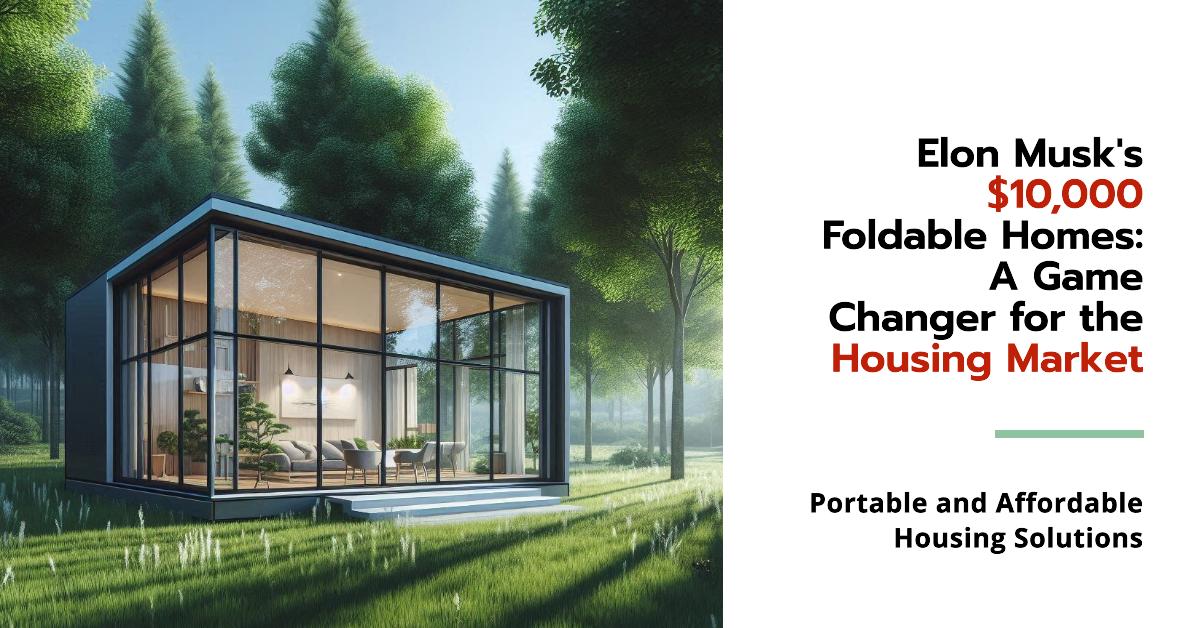
Musk's initiative could significantly reshape the housing market. By offering competitively priced, sustainable homes, the project could inspire other builders to focus on cost-effective, eco-friendly solutions. This shift might also encourage a cultural change, where smaller, more efficient homes gain popularity over traditional larger properties.
The real estate sector in India is experiencing a profound transformation, driven by the rise of remote working. As professionals embrace flexibility, their preferences for living spaces have evolved, impacting both residential and commercial real estate dynamics.
The commercial real estate sector is bracing for a tumultuous year ahead, as it navigates the unpredictable waters of economic uncertainty and fluctuating interest rates.
Non-resident individuals must navigate complex U.S. tax laws and carefully choose suitable holding structures to maximize their investment and minimize risk.