As the United States stands on the cusp of 2025, the housing market is poised for significant transformation. The past year has been a whirlwind of elections, natural disasters, and policy shifts, setting the stage for a year of change and adaptation. As Fast Company reports, these factors are converging to redefine the landscape of housing in the coming year.
Government Policy and Housing
Federal policies will play a pivotal role in shaping the housing market. With land development on federal land and potential new tariffs, the cost and availability of housing are under scrutiny. However, regulatory changes following recent natural disasters could temporarily lower costs and accelerate rebuilding efforts, offering a glimmer of hope for affordable housing.
Demographic Shifts and Labor Market Dynamics
The housing market will also be influenced by demographic shifts and changes in the labor market. Slower immigration and workforce reductions could impact housing demand and the construction labor supply. Deportation policies might further strain the workforce, pushing the industry towards technological solutions to bridge the gap.
Addressing the Homelessness Crisis
California is taking bold steps to tackle its homelessness crisis, accounting for a significant portion of the nation’s homeless population. Recent legislation, including the Interim Housing Act and Proposition A, aims to increase the supply of interim housing. If successful, these initiatives could serve as a model for other states.
The Rise of Accessory Dwelling Units (ADUs)
Accessory dwelling units, or ADUs, are gaining popularity as a solution to increase housing density and affordability. Legislative changes, particularly in California, have made it easier to build ADUs, potentially leading to a significant boost in housing supply.
Technological Innovations in Housing Construction
Advancements in technology, such as 3D printing and automation, are set to revolutionize housing construction. These innovations promise to reduce costs, shorten construction timelines, and improve the overall quality and sustainability of housing.
Artificial Intelligence in Real Estate
Artificial intelligence is poised to transform the real estate industry. AI-powered tools will enhance data analysis, trend prediction, and property management, streamlining operations and improving tenant satisfaction. Virtual and augmented reality tools will further enrich the home-buying experience.
Climate Change and Sustainable Housing
With climate change reaching crisis proportions, the housing industry is focusing on sustainability. Energy-efficient designs, renewable energy integration, and water conservation are becoming standard practices. The use of sustainable materials and green certifications is gaining traction, as seen with companies like Azure Printed Homes.
Interest Rates and Economic Volatility
Interest rate fluctuations will heavily impact housing affordability. As the Federal Reserve adjusts rates in response to economic conditions, mortgage rates will influence housing demand and the ability of homeowners to sell. The incoming presidential team has prioritized lowering inflation and interest rates, a move that could stimulate new housing starts.
Final Thoughts
As we navigate the complexities of the 2025 housing market, staying informed about policy changes, economic conditions, and demographic trends is crucial. The combination of legislative initiatives, technological advancements, and innovative housing solutions offers hope for addressing the housing crisis and creating a more equitable future.
For more insights, subscribe to the Compass newsletter, delivering Fast Company’s trending stories daily.
More Articles
Getting licensed or staying ahead in your career can be a journey—but it doesn’t have to be overwhelming. Grab your favorite coffee or tea, take a moment to relax, and browse through our articles. Whether you’re just starting out or renewing your expertise, we’ve got tips, insights, and advice to keep you moving forward. Here’s to your success—one sip and one step at a time!
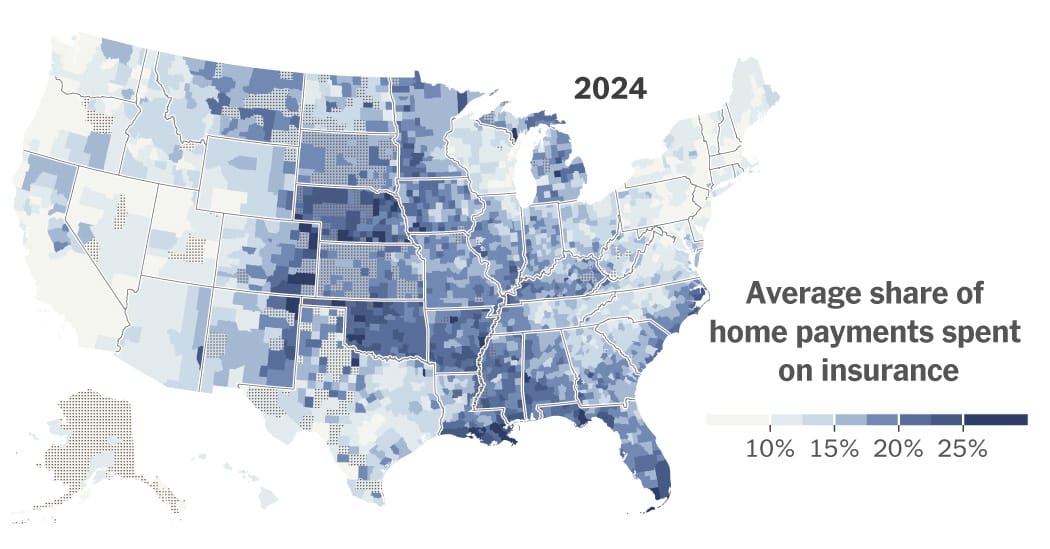
A surge in home insurance premiums is reshaping housing markets across the country, hitting disaster‑prone regions the hardest. From Louisiana to Colorado and California, deals are collapsing, buyers are backing out, and home values are dropping as insurance becomes a central affordability hurdle. New data shows climate‑driven risk repricing and soaring reinsurance costs are stripping tens of thousands of dollars from property values, forcing some homeowners to sell at a loss—or go uninsured altogether.
After years of sluggish activity, the National Association of REALTORS predicts 2026 could mark the long‑awaited rebound for the housing market. With a projected 14% jump in home sales, steadier rates near 6%, and rising buyer activity, NAR economists say momentum is already building. Early signs—like a 31% surge in mortgage applications, continued job growth, and stabilizing prices—suggest a stronger, more confident market ahead, creating fresh opportunities for both seasoned professionals and aspiring agents preparing to enter the field.
A surge of global capital is reshaping real estate heading into 2026, with investors shifting toward hands‑on strategies, cross‑border diversification, and high‑growth asset classes like data centers. Colliers’ 2026 Global Investor Outlook highlights rising confidence, improving liquidity, and a major pivot toward direct investing and value‑add opportunities. From office market rebounds to Asia Pacific’s rapid fundraising growth, the report outlines trends every real estate professional should understand as the industry enters a more dynamic, opportunity‑rich cycle.
Culver City just became the first place in California to legalize six‑story apartment buildings with only one staircase — a simple change that could reshape mid‑rise housing statewide. By freeing up as much as 7% more usable floor space, architects say single‑stair designs allow bigger units, more windows, and the kind of elegant layouts common in New York and Europe. If the city’s six‑year experiment succeeds, it may spark a broader rethinking of U.S. building codes and open the door to more flexible, affordable multifamily development across California.
Stratford homeowners are receiving their 2025 Notices of Assessment Change, marking the town’s first property revaluation since 2019. Officials emphasize that rising assessments do not equal higher tax bills, as a new mill rate won’t be set until spring 2026. Residents can challenge or review their updated valuations through informal hearings hosted by Vision Government Solutions, with appointments available for one week after receiving a notice.
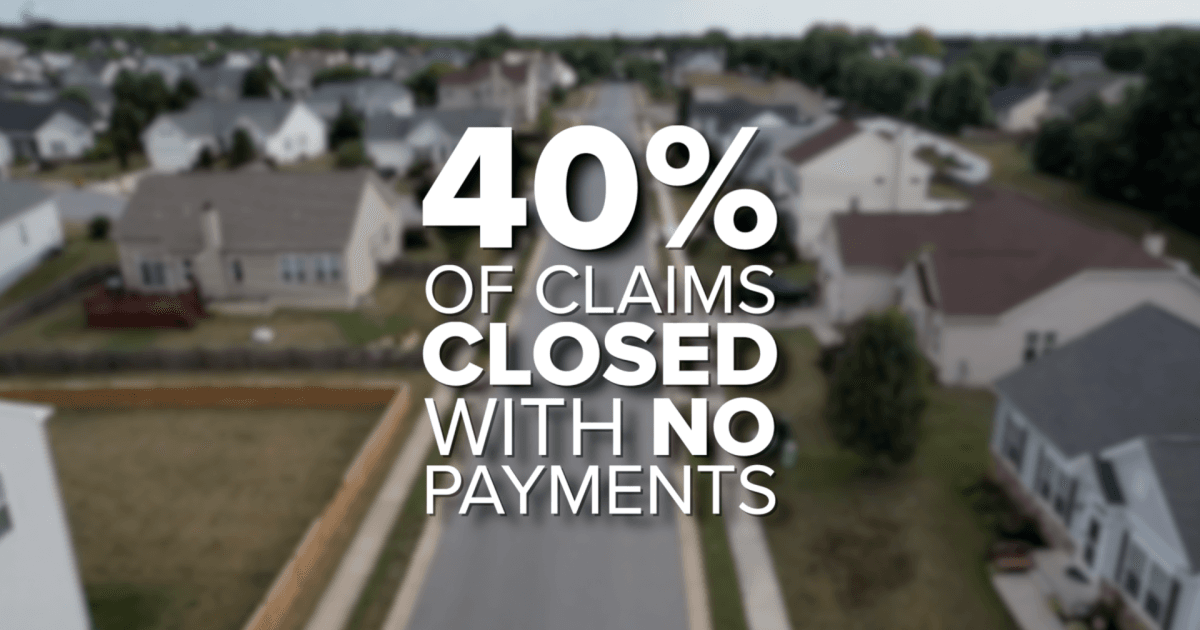
New reporting reveals Florida homeowners now face an average insurance premium of $5,838 per year — nearly triple the national average. With skyrocketing rates, denied claims, and mounting non-renewals, residents are being pushed to tough financial decisions while lawmakers scramble to implement reforms. From retirees skipping coverage to families battling insurers for fair payouts, Florida’s insurance crisis is reshaping both the housing market and the daily lives of homeowners statewide.