
2025: Navigating the Future of Patient Payments in Healthcare

The healthcare industry is undergoing a seismic shift, embracing digital transformation at an unprecedented pace. As we approach 2025, several key trends are set to redefine patient payments, addressing both technological advancements and consumer needs.
In a recent article from MedCity News, the focus is on the evolving landscape of healthcare payments, highlighting the transition towards a more retail-like experience. This shift is driven by a desire to improve operational efficiency and patient care, while also addressing generational differences among patients.
Doctor healthcare money cost

Embracing Digital Payment Methods

The adoption of digital wallets, such as PayPal, Venmo, Google Pay, and Apple Pay, is on the rise. These platforms offer convenience, security, and ease of use, eliminating the need for traditional payment methods. As healthcare providers implement these technologies, they must also focus on managing cards on file to ensure financial security. The use of tokenization is becoming increasingly important, replacing sensitive card information with secure tokens to protect patient data.

Cloud-Based Payment Infrastructure

The shift to cloud-based payment systems is encouraged for scalability and efficiency. By moving to the cloud, healthcare providers can enhance flexibility while maintaining stringent security and compliance measures. This transition supports all major digital payment types and simplifies management and deployment.

The Role of Artificial Intelligence

Generative AI is emerging as a powerful tool in healthcare, offering potential solutions to reduce burnout among healthcare workers by automating routine tasks. However, the misuse of AI by malicious actors highlights the need for robust data security measures. Consistent security training and data minimization practices are essential to protect sensitive information.
Johnathan Welch, Chief Product Officer at Sphere, emphasizes the importance of actively managing financial data using tokenization. This approach not only secures patient information but also reduces the risk of data breaches.
As we look ahead to 2025, the integration of technology and evolving consumer preferences will be pivotal in shaping the future of healthcare payments. By prioritizing security, efficiency, and patient-centric solutions, the industry can navigate these changes successfully.

Conclusion

The landscape of patient payments is rapidly evolving, driven by technological innovation and consumer demands. As healthcare providers adapt to these changes, they must remain vigilant in addressing affordability concerns, ensuring security, and embracing new payment methods. The journey towards a more efficient and secure healthcare payment system is underway, promising exciting developments in the years to come.

More Articles

Getting licensed or staying ahead in your career can be a journey—but it doesn’t have to be overwhelming. Grab your favorite coffee or tea, take a moment to relax, and browse through our articles. Whether you’re just starting out or renewing your expertise, we’ve got tips, insights, and advice to keep you moving forward. Here’s to your success—one sip and one step at a time!

America’s Housing Affordability Crisis: A Deep Dive into 2024

The American dream of homeownership is slipping further out of reach for many as the nation grapples with a severe housing affordability crisis.

By |October 17, 2024|Categories: Article, Economic Issues, Housing Affordability|Tags: , |0 Comments

The Economic Payoff of Climate Resilience Investments

Each dollar spent on disaster preparedness can yield a remarkable $13 in savings on economic impact, damage, and cleanup costs. By investing in resilience today, we can safeguard our economic futures against the uncertainties of tomorrow.

By |October 16, 2024|Categories: Article, Climate Resilience, Economics|Tags: |0 Comments

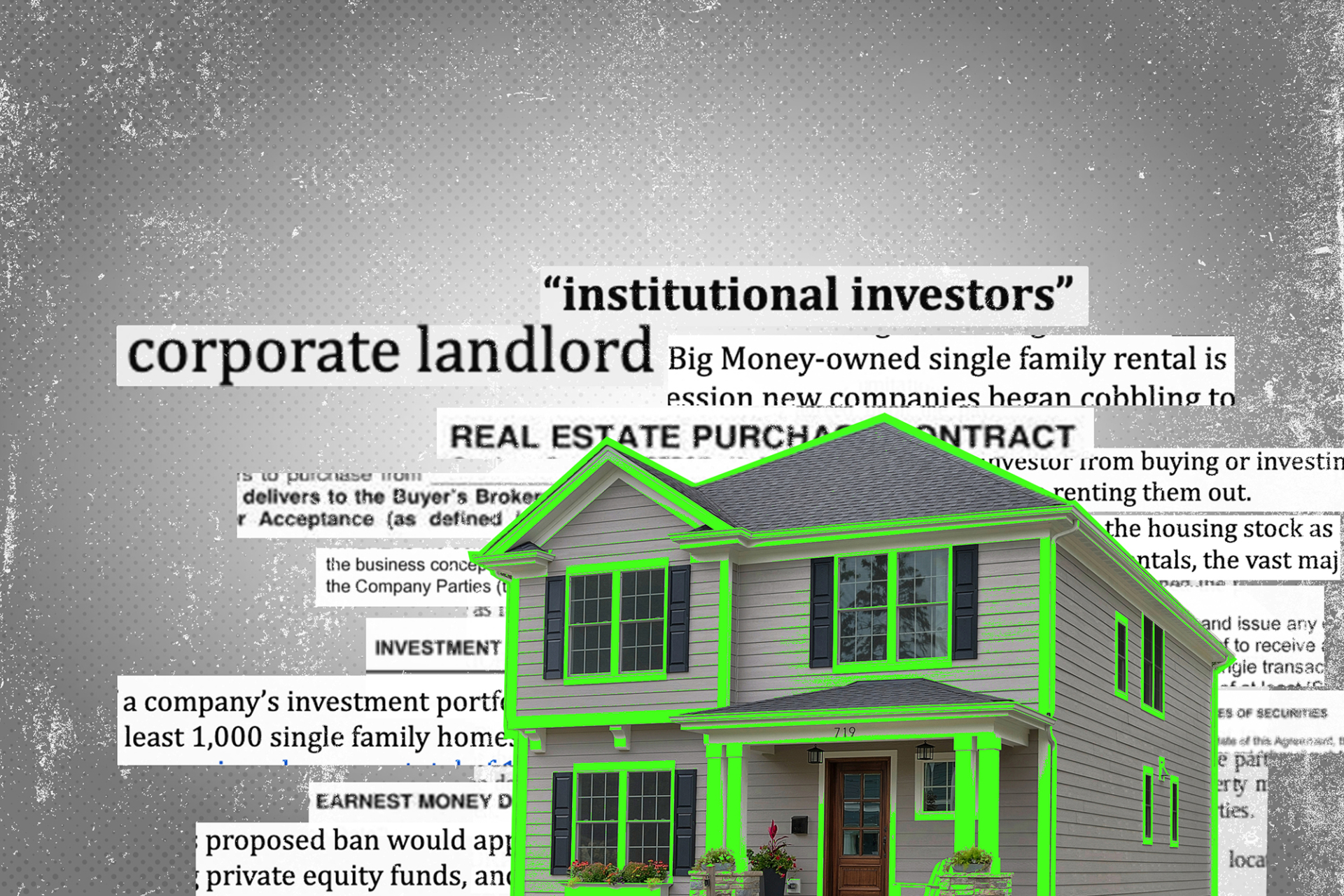
California Legislators Target Corporate Landlords in Housing Market Shake-Up

California's housing market is in the crosshairs of some of the state's most influential lawmakers, who are determined to curb the influence of institutional investors. This legislative session, at least three bills are being considered to prevent these corporate landlords from amassing a significant number of the state's single-family homes.

Proposition 33: A Pivotal Moment in California’s Rent Control Debate

Proposition 33 has sparked a heated debate. Proponents argue that repealing Costa–Hawkins would allow cities to tailor rent control measures to their unique needs, potentially easing the financial burdens on renters.

By |October 16, 2024|Categories: Article, Housing, Legislation|Tags: , |0 Comments

The Trump Era: A Transformative Journey in the U.S. Housing Market

The presidency of Donald Trump ushered in a period of notable shifts in the U.S. housing market, characterized by tax cuts, deregulation, and the unforeseen impact of a global pandemic. This era, marked by both growth and uncertainty, offers a complex narrative of economic policy and market dynamics.

Donald Trump’s Intricate Family Web

Donald Trump, a name synonymous with real estate, reality television, and politics, presents a complex family tapestry woven with professional and personal threads. His family, deeply enmeshed in his business ventures and political pursuits, forms a network of intricate connections.


By |October 15, 2024|Categories: Article, Family, Politics|Tags: , |0 Comments