2025 Real Estate Trends in South Korea: A Transformative Landscape
In an era defined by rapid change, South Korea’s
real estate market is undergoing a transformation that is as dynamic as it is multifaceted. The landscape in 2025 is being reshaped by a confluence of
market dynamics,
economic impacts, government policies, and technological advancements. These elements are not only guiding the future of real estate but are also pivotal for investors, policymakers, and stakeholders aiming for sustainable growth and stability.
Market Dynamics and Economic Impact
As highlighted in the original
Global Banking | Finance article, the South Korean government has prioritized affordable housing to address economic inequality and stimulate urban growth. With real estate prices soaring in major cities, policies to cap rental increases and subsidies for developers are in place, aiming to meet 30% of housing needs in areas like Seoul and Busan.
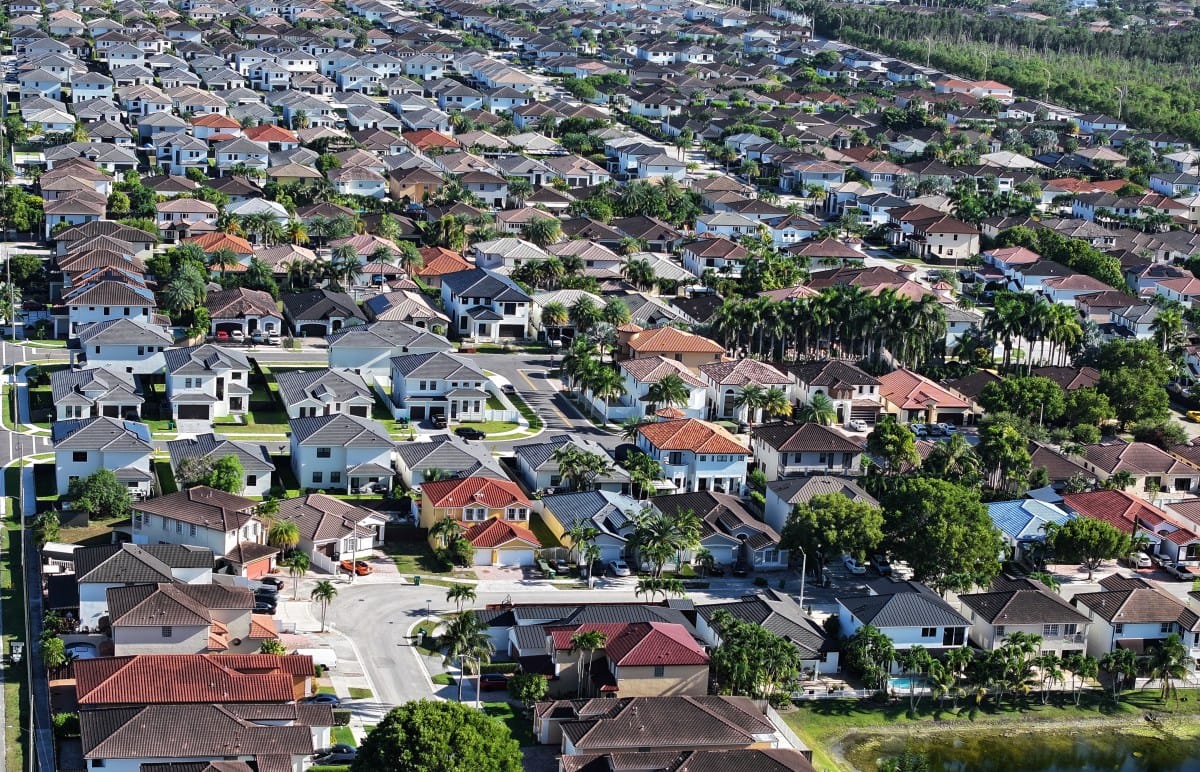
Moreover, the demand for suburban living is on the rise, driven by the shift to remote work and a preference for spacious environments. The government’s investment in transportation infrastructure has been crucial in this suburban shift, with new subway lines and express bus routes reducing commuting times.
Technology and Sustainability in Real Estate
The integration of
technology into real estate is revolutionizing the market.
Smart homes equipped with IoT devices are becoming standard, catering to consumer expectations for convenience and sustainability. The market for these devices is projected to reach $2 billion by 2025, reflecting robust growth.
Furthermore, the focus on
green urban development aligns with South Korea’s
carbon neutrality goals. Projects like the “Smart Green City” initiative are integrating eco-friendly solutions into urban planning, supported by significant government investments.
Stabilization and Investment Trends
Seoul’s housing market, once volatile due to speculative investments, is showing signs of stabilization. Government interventions, such as tighter loan-to-value ratios and property tax adjustments, have moderated property value growth to 3-5% annually.
The commercial real estate sector is thriving, supported by the tech industry’s resilience and the e-commerce boom. Areas like Pangyo Techno Valley are witnessing significant investments, underscoring their status as tech innovation hubs.
Policy and Economic Influences
Regulatory measures are central to stabilizing the real estate market, with restrictions on speculative buying and adjustments to property taxes. The Bank of Korea’s monetary policy, including a base interest rate of 3.0%, aims to balance household debt with economic momentum.
Despite challenges like a potential supply shortage of new apartments, opportunities abound in regions poised for growth due to planned infrastructure improvements. These developments invite investors to align strategies with emerging trends.
Demographic and Cultural Shifts
South Korea’s demographic landscape is evolving, with an aging population and shifting family dynamics influencing housing preferences. By 2025, nearly 20% of the population will be 65 or older, driving demand for retirement communities and healthcare-integrated facilities.
Cultural trends, such as the rise of single-person households, are reshaping housing demands. Urban areas are seeing increased demand for compact, efficient living spaces that accommodate independent lifestyles.
Technological Innovations and Environmental Goals
The rise of
PropTech is transforming real estate transactions and management. Digital platforms and blockchain technology are enhancing transparency and security, while AI-driven recommendations expedite property searches.
Environmental sustainability remains a priority, with builders incorporating renewable energy and eco-friendly materials into construction. Government incentives promote green building practices, ensuring that over 50% of urban spaces will focus on sustainability by 2030.
The combination of
technological innovations and
environmental commitments is reshaping South Korea’s real estate market, presenting both opportunities and challenges for stakeholders aiming for future growth.