The Tax Foundation’s 2025 State Tax Competitiveness Index provides a crucial examination of how states across the U.S. structure their tax codes to foster economic competitiveness. Wyoming emerges as the leader, largely due to its absence of significant state taxes such as corporate and individual income taxes. In stark contrast, New York and New Jersey find themselves at the bottom of the list, grappling with high rates and complex tax structures that inhibit economic growth.

One of the standout reforms comes from Wisconsin, which improved its property tax rank by eliminating the business personal property tax, moving up five places in the index. Meanwhile, Georgia’s transition to a flat tax system has significantly enhanced its competitive standing. Iowa also made strides by implementing phased reductions in corporate and individual income tax rates.

The index’s methodology has evolved to include new variables and adjust weightings, reflecting the modern tax landscape influenced by digital goods and remote work. This evolution has led to more variability in rankings compared to previous years, prompting states to adapt to both peer competitiveness and methodological updates.

For policymakers, the index serves as a diagnostic tool, offering a comparative analysis of state tax structures. It provides insights into potential reforms that could create more favorable economic environments, serving as a benchmark and guide for enhancing competitiveness in both domestic and global contexts.

The 2025 State Tax Competitiveness Index remains an essential resource for understanding the dynamics of state tax systems, influencing decisions for policymakers, businesses, and residents aiming for economic growth and prosperity.

For further details, you can view the original article on the Tax Foundation’s website: [2025 State Tax Competitiveness Index](https://taxfoundation.org/research/all/state/2025-state-tax-competitiveness-index/).

More Articles

Getting licensed or staying ahead in your career can be a journey—but it doesn’t have to be overwhelming. Grab your favorite coffee or tea, take a moment to relax, and browse through our articles. Whether you’re just starting out or renewing your expertise, we’ve got tips, insights, and advice to keep you moving forward. Here’s to your success—one sip and one step at a time!

Unlocking Real Estate Wealth in 2025: Strategies for Success

Step into 2025, where the real estate market emerges as a resilient beacon amidst economic unpredictability. Investors are increasingly drawn to secondary cities like Austin and Manchester, attracted by their growth potential, affordability, and enhanced quality of life.

By |February 18, 2025|Categories: Article, Investment Strategies, Real Estate|Tags: , |0 Comments

AI and Urbanization Drive Home Services Market Growth

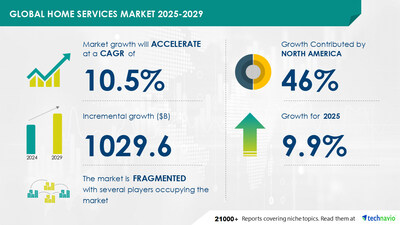
The global home services market is poised for significant growth, with projections indicating an increase of USD 1.03 trillion from 2025 to 2029. This forecasted expansion is attributed to increasing urbanization and the transformative impact of AI on market trends, according to a recent report by Technavio.

Decoding the U.S. Housing Crisis: A Study of Historic Policy Missteps and Demographic Shift

In a revealing study by USC, the roots of the current housing crisis in the United States are traced back to policy missteps and demographic changes that have been unfolding since the early 2000s. The study highlights how these factors have left millennials and people of color disproportionately affected.

Best Real Estate Crowdfunding Platforms for February 2025: Investopedia’s Top Picks

Fundrise stands out for offering investors a chance to diversify their portfolios with real estate exposure through proprietary funds. With a minimum investment as low as $10, it opens doors to beginners and seasoned investors alike.

Top Real Estate Investment Apps of 2025: A Guide for First-Time and Experienced Investors

Business Insider has reviewed a range of platforms available in 2025, focusing on key factors like fees, accessibility for accredited vs. non-accredited investors, and the types of real estate investments offered.