2025: The ‘Great Tech Reckoning’ and the ‘Real’ AI Revolution

As we approach 2025, the healthcare landscape is on the brink of transformative changes, driven by developments that promise lasting impact. Russ Graney, CEO of Aidin, a leader in care management platforms, offers his insights on the future, emphasizing behind-the-scenes transformations that could redefine healthcare operations.
The much-discussed AI revolution in healthcare is set to unfold not in the clinical domain but through foundational changes within health systems’ operations. While public attention has focused on AI’s potential in diagnostics and clinical decision-making, its real power by 2025 will manifest in enhancing the operational infrastructure that supports patient care. The deployment of AI tools to automate administrative processes, improving efficiency and accuracy in areas like payer-provider transactions, is already yielding measurable returns.
For instance, St. Luke’s University Health Network has successfully used AI to streamline patient discharge processes, demonstrating reduced delays and better care transitions. As more systems embrace these technologies, they will benefit from smoother workflows and enhanced patient outcomes, thereby fortifying their financial and operational resilience.

The Great Tech Reckoning

Furthermore, 2025 will usher in what Graney terms the “great tech reckoning” within hospitals and health systems. As fiscal pressures mount, healthcare organizations must make critical decisions regarding their digital toolsets—shedding those that fail to offer tangible returns and doubling down on those that drive efficiency and integration. This evolution will demand a shift from fragmented systems to cohesive, interoperable platforms that bolster workforce efficiency and cost-effectiveness.

Care Management as a Supply Chain Powerhouse

Simultaneously, care management will ascend as a critical force within healthcare’s supply chain, transitioning from its traditional, fragmented role to a tech-enabled, dynamic hub of coordination. Advanced platforms that facilitate real-time connections and quality provider partnerships will streamline patient transitions, ensuring faster discharges and improved outcomes. This will not only enhance patient care but also usher in financial prudence within healthcare institutions, ultimately cementing care management as a cornerstone of healthcare efficiency and success.
The next year promises significant challenges and opportunities. Health systems that prioritize agile, technology-driven strategies in partnership with innovative vendors stand to emerge stronger, with robust frameworks ready to navigate ongoing industry complexities. As care management grows beyond its logistical roots, it will play a strategic role in shaping both clinical and financial triumphs in the years to come.

More Articles

Getting licensed or staying ahead in your career can be a journey—but it doesn’t have to be overwhelming. Grab your favorite coffee or tea, take a moment to relax, and browse through our articles. Whether you’re just starting out or renewing your expertise, we’ve got tips, insights, and advice to keep you moving forward. Here’s to your success—one sip and one step at a time!

AI Transforming Health Care: Bridging Academic and Clinical Practices

Artificial intelligence (AI) is revolutionizing diagnostics, treatment, and patient care, with significant advancements particularly noted in fields like radiology and oncology.

AI Revolutionizes Cancer Diagnostics

AI tools are now being leveraged to analyze images and tissue samples, offering insights that surpass traditional methods. AI's integration into healthcare, particularly in oncology, marks a significant shift towards precision medicine.

By |November 19, 2024|Categories: Article, Healthcare, Technology|Tags: , |0 Comments

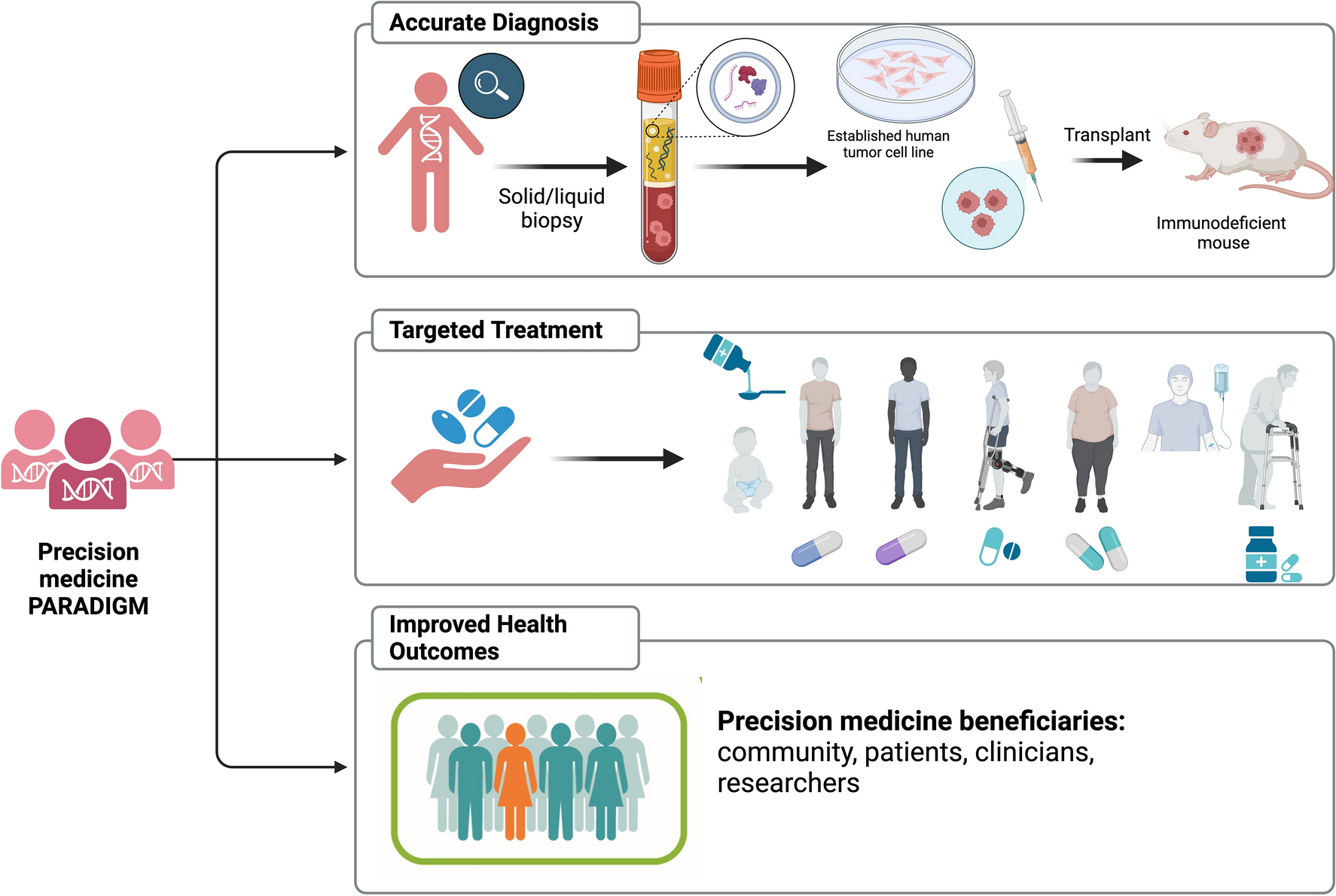
AI in Precision Medicine: Navigating Challenges and Embracing Opportunities

AI's potential to revolutionize healthcare lies in its ability to process vast amounts of data, uncover hidden patterns, and support clinical decision-making. It is particularly promising in the realms of drug development and clinical practice, where it can streamline processes, reduce costs, and improve patient experiences.

The Expanding Role of Telehealth in Nursing

Nurses, the unsung heroes on the front lines of patient care, are increasingly embracing telehealth technology as a core component of their roles. Telehealth offers a transformative opportunity to enhance patient outcomes and broaden access to healthcare. This shift is particularly pertinent in the face of an aging population and ongoing nursing shortages.

By |November 19, 2024|Categories: Article, Nursing, Telehealth|Tags: , |0 Comments

AI Revolutionizing Healthcare: From Diagnostics to Pandemics

AI enhances the ability to interpret medical images such as X-rays and MRIs, often surpassing human accuracy. By identifying patterns that even seasoned professionals might miss, AI complements human expertise, improving diagnostic precision.


By |November 18, 2024|Categories: Article, Healthcare, Technology|Tags: , |0 Comments