2026: The Year Housing Takes Center Stage in America
As the nation steps into 2026, one theme is dominating political agendas, market forecasts, and professional chatter across real estate, mortgage, insurance, finance, and beyond: housing. From affordability to supply, from federal reforms to local zoning battles, America’s housing landscape is facing its most pivotal moment in decades.
A Spotlight Sourced from Slow Boring
This article draws inspiration from an insightful feature by Slow Boring, available at
this link. Their reporting highlighted a surge of housing-focused energy sweeping federal leadership, big‑city mayors, and market influencers alike.
A Federal Push—With Limited Details
President Donald Trump announced that 2026 will bring “some of the most aggressive housing reform plans in American history,” though specifics remain closely guarded. According to the administration, affordability is a key priority, reinforced by commentary from officials speaking with outlets like CNN and Fox Business. Analysts emphasize that while presidential influence is significant, supply and pricing mechanics are complex forces of their own.
Federal agencies, meanwhile, are moving forward. The Senate confirmed Joseph Gormley as president of Ginnie Mae and Frank Cassidy as the new housing commissioner—two roles central to affordable housing finance. The Treasury Department also expanded New Markets Tax Credit investments into rural communities, signaling a stronger push toward revitalization and targeted housing outcomes.
A Looming Threat: Section 8 Funding Uncertainty
Congress faces a January 30 funding deadline that could jeopardize housing vouchers for nearly 400,000 households. Coupled with proposed HUD rule changes involving work requirements and time limits, many renters could face sudden instability. Professionals working with low‑income renters—especially real estate agents and property managers—should stay alert as these developments unfold.
Cities Mobilize: New Mayors, New Agendas
While Washington debates budgets and policy frameworks, city leaders nationwide are taking swift action. From Atlanta to Seattle, newly sworn‑in mayors are prioritizing affordability, zoning reform, and expanded housing access. In New York City, Mayor Zohran Mamdani is already pressing forward with rapid housing-centered initiatives as his administration takes shape.
What This Means for Real Estate & Licensed Professionals
For real estate agents, mortgage brokers, appraisers, insurance specialists, and anyone tied to the housing ecosystem, 2026 is shaping up to be a year of shifting policy and emerging opportunity. Markets may adjust. Regulations may tighten or expand. New programs may introduce fresh career paths.
This makes now an ideal moment to strengthen credentials, expand your skill set, or add a new license to your professional portfolio.
A Note for Students and Professionals
At Cameron Academy, we’ve seen firsthand how policy shifts and market evolutions create both challenges and opportunities. Whether you’re entering real estate in Florida, expanding into mortgage or insurance, or branching into another licensed industry across the country, education and preparedness will be essential advantages throughout 2026’s housing transformation.
Stay tuned. If 2025 hinted at transformation, 2026 is ready to deliver it—front and center.
More Articles
Getting licensed or staying ahead in your career can be a journey—but it doesn’t have to be overwhelming. Grab your favorite coffee or tea, take a moment to relax, and browse through our articles. Whether you’re just starting out or renewing your expertise, we’ve got tips, insights, and advice to keep you moving forward. Here’s to your success—one sip and one step at a time!
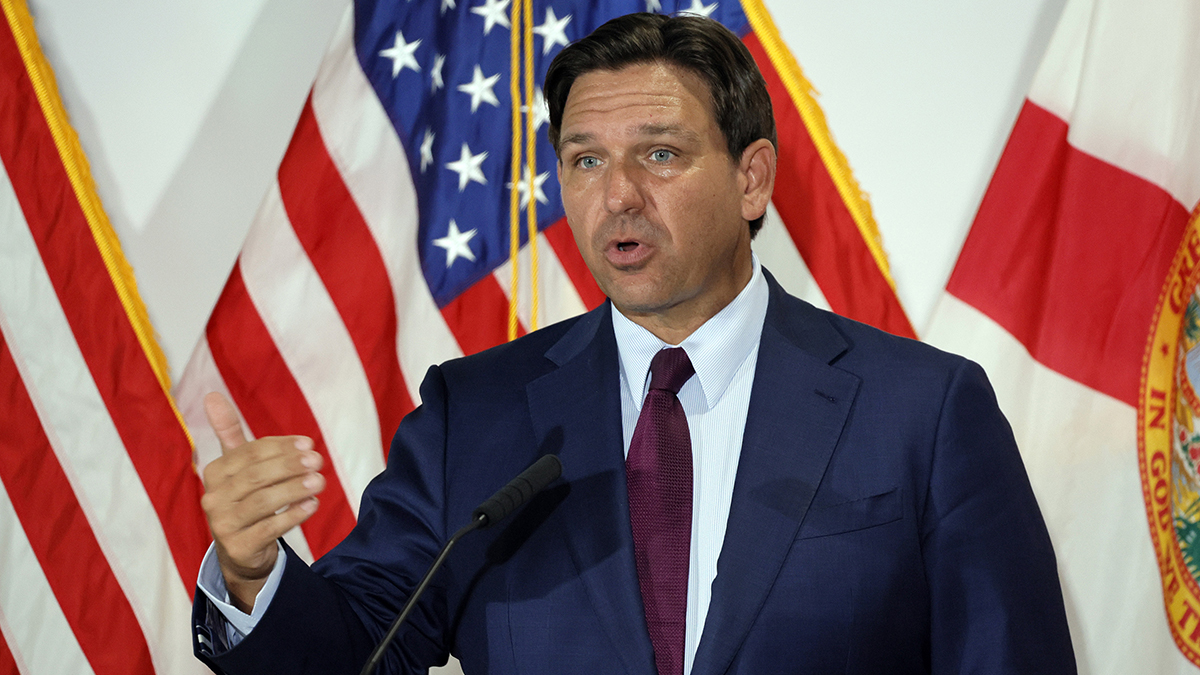
Florida homeowners — especially in hard‑hit South Florida — are set to see rare and substantial reductions in their property insurance premiums. Gov. Ron DeSantis announced an average statewide Citizens Insurance decrease of 8.7%, with even larger savings of up to 14% in counties like Miami-Dade, Broward, and Palm Beach. State officials credit recent legal and regulatory reforms for stabilizing the market, attracting new insurers, and delivering the first meaningful rate relief Floridians have seen in years.
Tampa’s commercial real estate market isn’t slowing—it’s maturing. With strong population growth, rising office demand, a normalized industrial sector, resurgent retail, and an emerging health‑care real estate boom, investors are shifting from speed to strategy. Tighter underwriting, cautious capital and increased due‑diligence are shaping a more disciplined market, creating new opportunities for informed professionals.
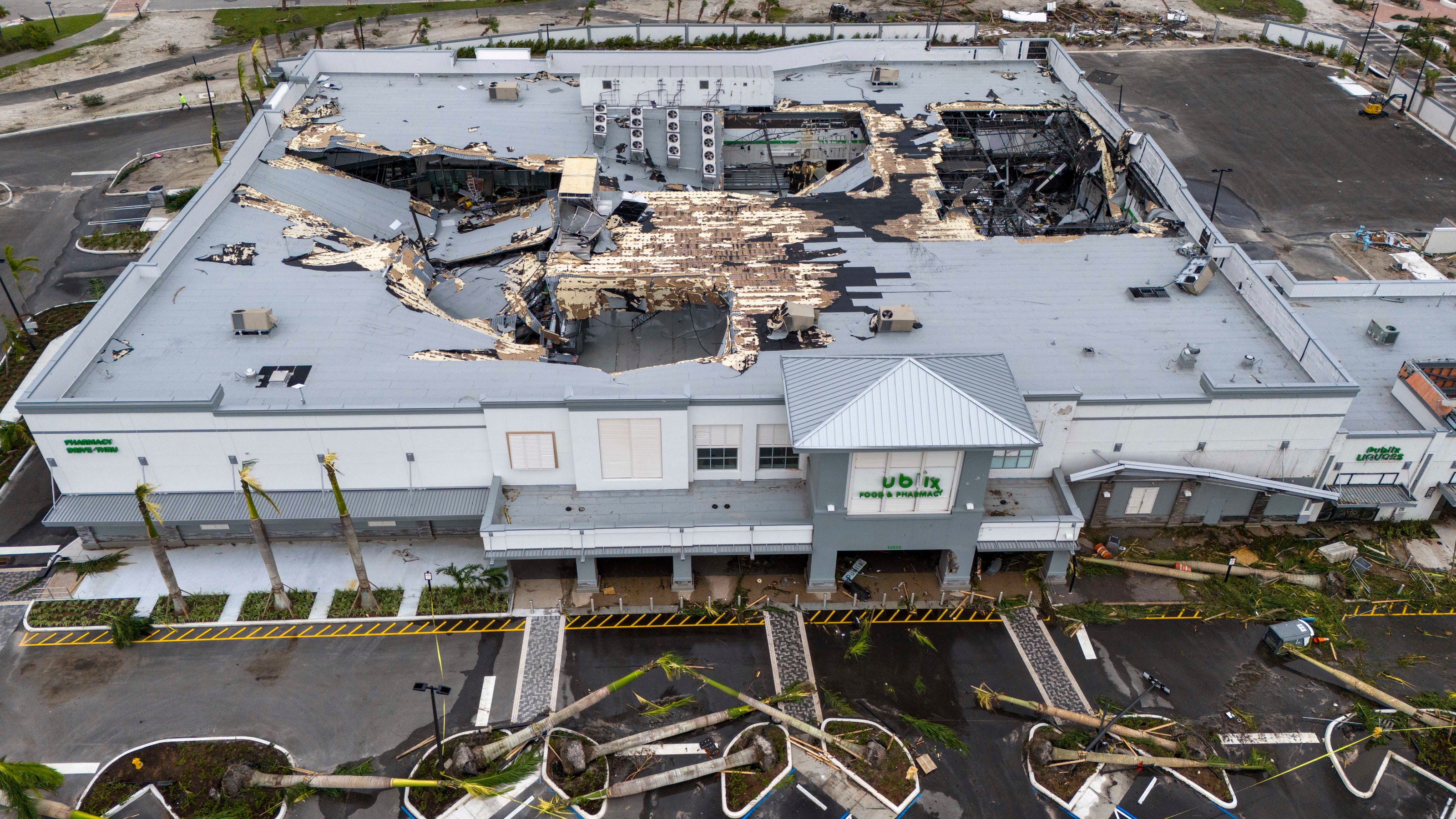
Florida homeowners are finally seeing relief as Citizens Property Insurance announces a major 8.7% average rate decrease—far larger than originally proposed. Driven by legislative reforms, fewer lawsuits, and a calm hurricane season, the state’s once‑unstable insurance market is showing real signs of recovery. But with reduced coverage limits and shifting legal protections, experts warn that lower premiums may come with hidden trade‑offs.
After a decade of rising premiums and retreating carriers, Florida homeowners are finally seeing long‑awaited relief. Dozens of insurers have filed for rate decreases—some as high as 11%—thanks to legislative reforms and a stabilizing market. Early approvals are already hitting counties across the state, and experts say the momentum could boost buyer confidence, affordability, and competition throughout Florida’s real estate and insurance sectors.
After years of slowed activity caused by rising interest rates, the self‑storage industry is heating up again. New data from Marcus & Millichap shows a fresh market cycle emerging, driven by renewed buyer confidence, recalibrated pricing, and stronger lender participation. Acquisitions are rebounding, development is resetting in a healthier direction, and financing conditions are improving—creating one of the most promising investment landscapes the sector has seen in years.
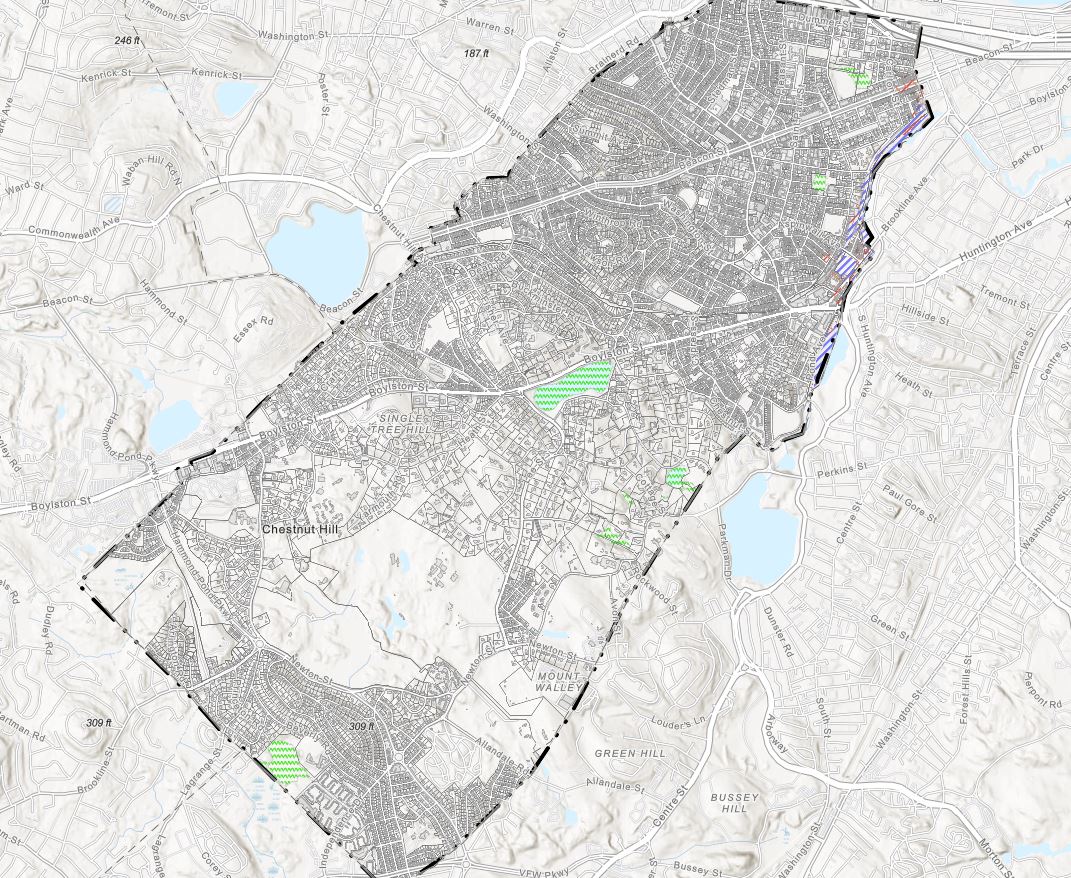
Brookline’s newly updated FEMA flood maps identify 97 high‑risk parcels, but local experts warn the true threat is far greater. While FEMA highlights river‑based flooding around Leverett Pond and the Muddy River, alternative models show more than 1,300 Brookline properties at risk within 30 years. Hidden vulnerabilities along major corridors like Beacon Street, rising rainfall intensity, aging infrastructure, and climate‑driven storm patterns suggest that many “low‑risk” areas may be anything but safe.