2026: The Year Housing Takes Center Stage in America
As the nation steps into 2026, one theme is dominating political agendas, market forecasts, and professional chatter across real estate, mortgage, insurance, finance, and beyond: housing. From affordability to supply, from federal reforms to local zoning battles, America’s housing landscape is facing its most pivotal moment in decades.
A Spotlight Sourced from Slow Boring
This article draws inspiration from an insightful feature by Slow Boring, available at
this link. Their reporting highlighted a surge of housing-focused energy sweeping federal leadership, big‑city mayors, and market influencers alike.
A Federal Push—With Limited Details
President Donald Trump announced that 2026 will bring “some of the most aggressive housing reform plans in American history,” though specifics remain closely guarded. According to the administration, affordability is a key priority, reinforced by commentary from officials speaking with outlets like CNN and Fox Business. Analysts emphasize that while presidential influence is significant, supply and pricing mechanics are complex forces of their own.
Federal agencies, meanwhile, are moving forward. The Senate confirmed Joseph Gormley as president of Ginnie Mae and Frank Cassidy as the new housing commissioner—two roles central to affordable housing finance. The Treasury Department also expanded New Markets Tax Credit investments into rural communities, signaling a stronger push toward revitalization and targeted housing outcomes.
A Looming Threat: Section 8 Funding Uncertainty
Congress faces a January 30 funding deadline that could jeopardize housing vouchers for nearly 400,000 households. Coupled with proposed HUD rule changes involving work requirements and time limits, many renters could face sudden instability. Professionals working with low‑income renters—especially real estate agents and property managers—should stay alert as these developments unfold.
Cities Mobilize: New Mayors, New Agendas
While Washington debates budgets and policy frameworks, city leaders nationwide are taking swift action. From Atlanta to Seattle, newly sworn‑in mayors are prioritizing affordability, zoning reform, and expanded housing access. In New York City, Mayor Zohran Mamdani is already pressing forward with rapid housing-centered initiatives as his administration takes shape.
What This Means for Real Estate & Licensed Professionals
For real estate agents, mortgage brokers, appraisers, insurance specialists, and anyone tied to the housing ecosystem, 2026 is shaping up to be a year of shifting policy and emerging opportunity. Markets may adjust. Regulations may tighten or expand. New programs may introduce fresh career paths.
This makes now an ideal moment to strengthen credentials, expand your skill set, or add a new license to your professional portfolio.
A Note for Students and Professionals
At Cameron Academy, we’ve seen firsthand how policy shifts and market evolutions create both challenges and opportunities. Whether you’re entering real estate in Florida, expanding into mortgage or insurance, or branching into another licensed industry across the country, education and preparedness will be essential advantages throughout 2026’s housing transformation.
Stay tuned. If 2025 hinted at transformation, 2026 is ready to deliver it—front and center.
More Articles
Getting licensed or staying ahead in your career can be a journey—but it doesn’t have to be overwhelming. Grab your favorite coffee or tea, take a moment to relax, and browse through our articles. Whether you’re just starting out or renewing your expertise, we’ve got tips, insights, and advice to keep you moving forward. Here’s to your success—one sip and one step at a time!
A federal judge has denied class‑certification in the high‑stakes Batton commission lawsuit, delivering a temporary win for NAR and major brokerages while leaving the door open for plaintiffs to try again. With as much as $3.6 billion in potential damages on the line and nearly 80% of the proposed class now disqualified due to conflicts with earlier settlements, the case stands at a pivotal moment. Real estate professionals nationwide — especially in Florida — should watch closely, as the ruling could shape the future of buyer‑agent compensation.
Florida homeowners are paying nearly double the national average for insurance, with premiums now reaching $5,838 a year and denied claims topping 40 percent. Residents report tripled rates, underpaid claims, and mounting financial strain, pushing lawmakers in Tallahassee to propose caps on rate hikes, tax breaks for storm‑proof upgrades, and tighter oversight of insurers. These developments are reshaping real estate and insurance conversations across the state as professionals brace for major industry shifts.
Berkshire County closed Q3 2025 with strong momentum as sales, dollar volume, and buyer competition all climbed year‑over‑year. Inventory showed slight improvement but remains far below demand, keeping the market tilted toward sellers. Single‑family homes and condos led the surge, while multifamily, land, and commercial sectors showed mixed performance. The region continues to stand out as one of New England’s most resilient real estate markets heading into 2026.
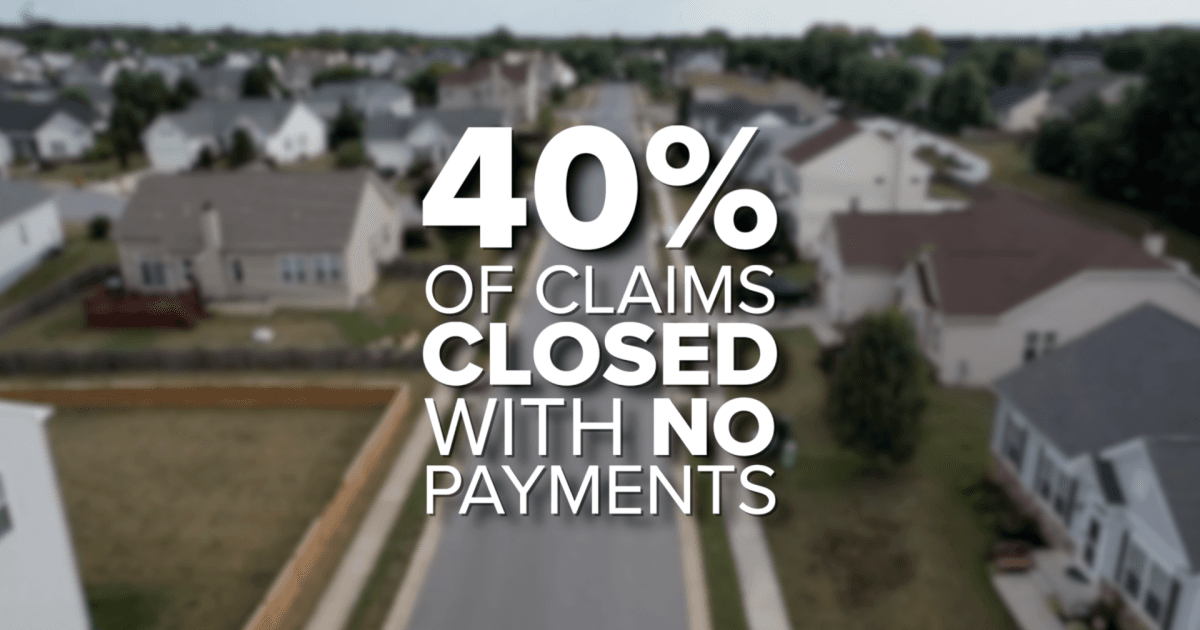
Florida homeowners now face the highest insurance burdens in the nation, with average premiums topping $5,800 per year—roughly $3,000 above the national average. As rates triple for some residents, more Floridians are skipping coverage altogether, while denied claims and slow payouts add to the frustration. With over 40 percent of claims closing with no payment and lawmakers battling over reform in Tallahassee, the crisis is reshaping budgets, homebuying decisions, and the real estate industry statewide.
Global capital is surging back into real estate—and this time, investors want more control. Colliers’ 2026 Global Investor Outlook reveals a major shift toward direct investments, joint ventures, and hands‑on strategies as money moves across North America, Europe, and the booming Asia‑Pacific markets. Data centers are now the top‑funded asset class, offices are staging a comeback, and adaptive reuse is reshaping cities worldwide. For real estate and finance professionals, the message is clear: opportunity is accelerating, and those with the right education and licensing will be at the center of the action.
The Fed’s recent rate cuts should have offered relief to commercial real estate—but long-term borrowing costs haven’t budged. While short‑term rates are falling, stubborn long‑term yields, broken deal math, and a trillion‑dollar refinancing wave are keeping the market frozen. For investors and professionals across Florida and the nation, understanding this disconnect is key to navigating the opportunities and risks emerging in today’s shifting CRE landscape.