2026 Housing Market Outlook: Economists Predict a Rebalance, a Rebound, and a New Kind of Buyer

As 2026 opens its doors, the housing market is stepping into a long-awaited period of stabilization. According to leading housing economists highlighted by REALTOR® News, shifting forces—from mortgage rates and buyer demographics to inventory and construction—are shaping a marketplace that feels different from the frenzy of previous years. For buyers, sellers, investors, and real estate professionals, this year is expected to bring something the industry has been craving: balance.
A Reawakening in Home Sales
Lawrence Yun, NAR Chief Economist
Yun anticipates a meaningful uptick in home sales—about 14% nationwide—thanks to rising inventory and a softening of the lock-in effect. Homeowners are increasingly motivated by life events rather than interest rate hesitancy, creating new opportunities for buyers.
Price growth moderates: Yun expects price growth of 2% to 3%, aligned with inflation. With wages rising slightly faster, 2026 becomes a year of improved purchasing power.
Buyers regain breathing room: Inventory is up 20% from last year. While supply remains below pre-COVID levels, buyers are no longer facing a frenzy of multiple offers.
Homeownership desire remains strong: Renters still aspire to own, and 2026’s lower mortgage rates may finally open the door.
Read more from NAR
New Construction Shows Signs of Life
Robert Dietz, NAHB Chief Economist
The new-home market is showing cautious optimism. With the Federal Reserve easing rates, builders are seeing better financing conditions, leading to a projected 1% increase in both single-family construction and new-home sales.
Resale prices now exceed new-home prices: Dietz notes a rare historic moment where resale homes cost more than new builds—driven by builder incentives and shifting construction geographies.
The housing deficit persists: Supply still lags population needs. Zoning remains a major bottleneck, particularly for medium-density options like townhomes.
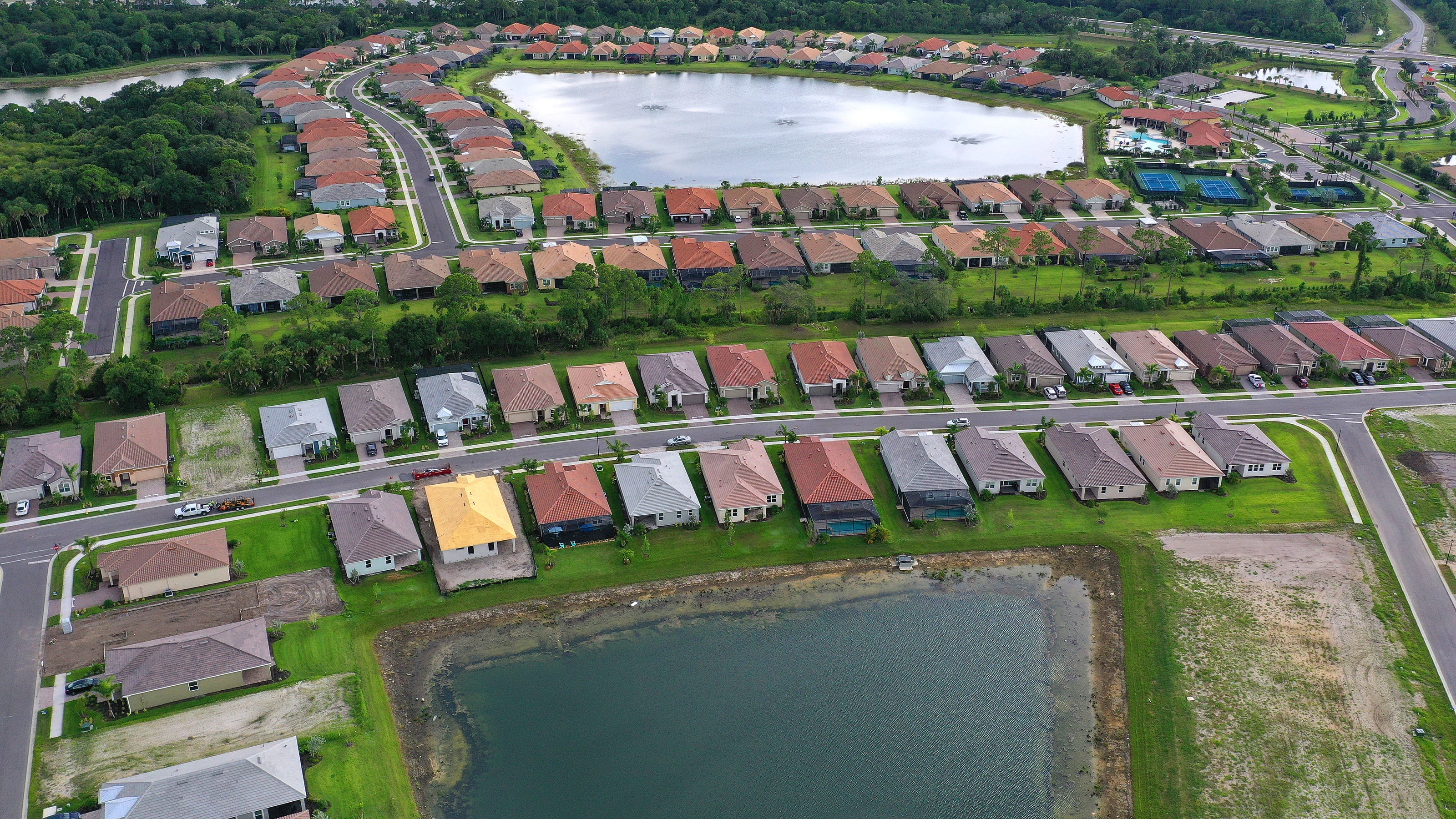
Regional shifts worth watching: Texas and Florida have cooled slightly, while the Midwest—especially Columbus, Indianapolis, and Kansas City—is emerging as a growth hotspot.
Read more insights on new vs. existing home prices
Affordability Finally Improves
Danielle Hale, Realtor.com Chief Economist
Perhaps the most exciting trend of 2026: Affordability is finally moving in the right direction. With mortgage rates easing and incomes rising, monthly payments are expected to decline for the first time since 2020.
A more balanced market emerges: Sellers no longer hold all the cards. Price reductions and delistings reflect a more even playing field.
Regional divergence continues: The South and West see better affordability thanks to growth-friendly policies, while the Northeast and Midwest remain tight.
Read more on market balance
Demographics Reshape the Buyer Pool
Jessica Lautz, NAR Deputy Chief Economist
2026 will be defined by who is—and isn’t—buying. Single women, downsizing boomers, and cautiously re-emerging first-time buyers are driving demand in new and surprising directions.
First-time buyers make a comeback: Lower rates and more inventory are finally opening doors.
Baby boomers dominate: Wealthy, mobile, and motivated, boomers continue to shape the market more than any other group.
Cash buyers persist: With large equity positions, many buyers will continue to transact without mortgages.
Read more about demographic trends
Mortgage Rates: The Biggest Unlock of All
Nadia Evangelou, NAR Senior Economist
A drop from 7% to 6% could unlock more than 5 million new qualified buyers—including 1.6 million renters. Evangelou predicts this surge could translate to roughly 500,000 additional home sales in 2026.
Inventory still matters: Even with more buyers poised to enter the market, supply must keep pace to prevent another imbalance.
Middle-income buyers remain constrained: They can currently afford just 21% of listed homes—down drastically from 50% pre-pandemic.
Read more on mortgage rate impacts
What This Means for Real Estate Professionals
A rebalanced housing market creates opportunity—and professionals who stay educated and nimble will thrive. Whether you’re renewing your license, entering the field, or expanding into mortgage, insurance, or related professions, staying ahead of these shifts matters.
Cameron Academy supports professionals across Florida and the entire U.S. with flexible online licensing and CE programs designed to help you make informed decisions in a shifting market. If 2026 is all about preparation meeting opportunity, your next step starts here.