2026 Housing Market Outlook: Stability, Surprises, and the Real Costs Ahead

Homebuyer researching housing market on laptop

Thinking about buying a home in 2026? You’re not alone. Entering the modern housing landscape feels almost like planning a wedding — detailed prep, rising expenses, emotional waves, and ultimately, the start of a brand‑new chapter.

But as 2026 approaches, buyers, renters, and homeowners must look far beyond the moment of closing. Interest rates, taxes, insurance, pricing shifts, and new rental opportunities are reshaping the market in ways that matter now more than ever.

This full‑market breakdown is sourced from NerdWallet’s powerful 2026 housing forecast. Below, we’ve added deeper insight for Florida professionals and future licensees preparing to navigate the year ahead.

Mortgage Rates Stay Stable in 2026

Hoping for mortgage rates to return to the dreamy 3% era? Not likely — and honestly, that would signal economic trouble. Historically, ultra‑low rates pair with recession, not prosperity.

Instead, experts predict steady performance:

  • Fannie Mae: Rates sliding gently from 6.2% → 5.9% by late 2026.
  • Mortgage Bankers Association: Holding around 6.4% all year.

Tip for 2026: Don’t sit around waiting for miracle rates. If a home fits your budget and lifestyle, move confidently. Sellers should carefully weigh their low locked‑in rates against lifestyle upgrades they’ve been delaying.

Home Price Growth Slows — But Costs Keep Rising

Even with steady mortgage rates, affordability now hinges on home prices and the overlooked trio: taxes, insurance, and fees.

Market data paints a mixed picture:

  • Midwestern states like MI, WV, and OH continue seeing double‑digit growth.
  • Seven of the ten largest price declines in the nation happened in Florida.

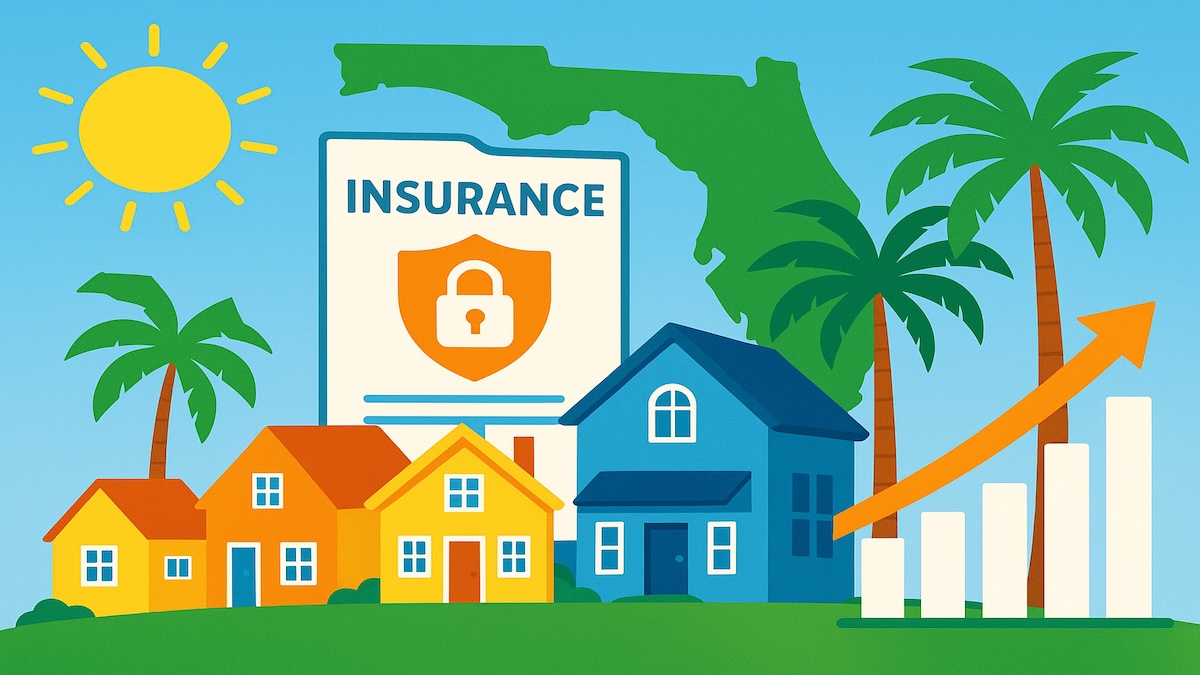
But here’s the quiet storm: Escrow costs are exploding. Between 2020–2025:

  • National escrow costs rose 45%.
  • Florida soared 70% — one of the highest in the country.

The result? Prices dip, yet ownership becomes more expensive — pushing owners to sell while discouraging buyers.

Tip for 2026: Look far beyond the listing price. Compare tax histories, insurance ranges, and neighborhood risk factors. Well‑trained agents — especially those educated through Cameron Academy — know how to guide clients through these shifting affordability challenges.

Renting Becomes More Attractive

With ownership costs rising, renting is having a comeback moment:

  • 52% of renters now prefer renting over owning.
  • 36% say they plan to rent indefinitely.

Better yet, rental affordability is improving — median rents have fallen for over two years straight. New built‑to‑rent (BTR) communities across the Sun Belt give renters access to upscale, maintenance‑free living with tons of flexibility.

BTR communities often provide:

  • Single‑family homes
  • Luxury‑style amenities
  • Maintenance‑free convenience
  • Lifestyle flexibility

Tip for 2026: Renting can be a smart financial strategy. And remember — equity isn’t the only path to wealth. Smart financial planning goes far beyond owning property.

Home Equity Borrowing Won’t Surge

Homeowners still hold historic levels of tappable equity — averaging $204,000 at the end of 2025. Yet borrowing against that equity isn’t accelerating.

Why? Because equity growth is cooling. Homeowner equity even dipped 0.8% in Q2 2025.

Plus, motivations for equity borrowing are shifting:

  • Debt consolidation jumped from 25% → 39% (2022–2024).
  • Renovation purposes dropped from 65% → 46%.

Tip for 2026: Borrow against home equity with caution — your home is collateral. Growth isn’t the only value of equity. Stability and generational wealth are just as important.

Want to Thrive in a Changing Market?

If you’re entering the industry or advancing your professional skills, understanding 2026’s market dynamics is essential.

Cameron Academy provides flexible, career‑shaping education for real estate, mortgage, insurance, finance, medical, and more — across Florida and all 50 states.

Upgrade your skills. Advance your licensing. And stay ahead of the market wherever it moves next.


© Cameron Academy — Professional Education for a Modern Market

More Articles

Getting licensed or staying ahead in your career can be a journey—but it doesn’t have to be overwhelming. Grab your favorite coffee or tea, take a moment to relax, and browse through our articles. Whether you’re just starting out or renewing your expertise, we’ve got tips, insights, and advice to keep you moving forward. Here’s to your success—one sip and one step at a time!

Trump’s 2026 Mortgage Rate Prediction: What Real Estate Pros Should Really Expect

President Trump recently suggested mortgage rates will drop “a lot lower” by early 2026, sparking industry-wide curiosity — but current economic data tells a more measured story. With today’s 30‑year fixed hovering near 6.25%, experts say meaningful declines remain possible, though not guaranteed, and would depend on softer inflation, weaker economic signals, or a shift in bond market behavior. While political comments created headlines, analysts emphasize that only market conditions — not rhetoric — can drive rates down. Independent forecasts already point toward mid‑5% rates by 2026, offering a potentially healthier landscape for buyers, agents, and mortgage professionals preparing for the next cycle.

Why Mortgage Executives Can’t Afford to Ignore AI

Artificial intelligence has moved from a futuristic concept to a central force driving today’s mortgage industry. From smarter underwriting to enhanced borrower experiences and tighter compliance, AI is transforming every corner of mortgage lending. As expectations rise and competition accelerates, AI literacy is no longer optional — it’s a core skill every mortgage, real estate and finance professional must master to stay relevant and lead confidently.

Global Commercial Real Estate Enters a Long-Term Era of Transformation

Global commercial real estate is shifting away from short-term recovery cycles and entering a long-term transformation driven by technology, sustainability, demographic change, and evolving work‑life patterns. Capital is becoming more selective, favoring resilient assets and alternative lenders, while high‑demand sectors such as industrial, logistics, data infrastructure, and specialized residential continue to outperform. Geography, sustainability standards, and flexibility are emerging as defining forces for the next cycle, signaling major opportunities—and challenges—for real estate professionals preparing for the future.

How AI Is Quietly Rewriting the Future of Real Estate

Artificial intelligence has moved from hype to essential infrastructure in the real estate world. From smarter valuations and predictive analytics to automated lead generation and personalized property-matching tools, AI is transforming how agents, brokers, lenders, and managers operate. As top platforms like Zillow, Redfin, Opendoor, and dozens more integrate deep‑learning technology, professionals across real estate, mortgage, insurance, and finance are being pushed to adapt. The future belongs to those who embrace these tools — and use them to elevate speed, accuracy, and client experience.

Florida’s Property Insurance Market Makes a Strong Comeback in 2025

Florida’s once‑troubled property insurance market has staged an impressive recovery after its near‑collapse in 2022. A new ALIRT Insurance Research report shows that legislative reforms, tighter underwriting and the arrival of new insurers have restored stability, reduced Citizens’ policy load and revived industry confidence. While risks remain, the rebound is reshaping housing affordability and creating fresh opportunities for real estate, mortgage and insurance professionals.

Florida Moves to Ban AI‑Only Insurance Claim Denials: What Professionals Need to Know

A new bill gaining momentum in Tallahassee would stop insurers from denying claims based solely on artificial intelligence. Championed by Rep. Hillary Cassell, the proposal aims to restore trust in Florida’s troubled insurance market by ensuring human oversight in decisions that affect homeowners, newcomers, and industry professionals. As debates intensify, experts warn AI is reshaping insurance faster than ever—making it critical for real estate, mortgage, and insurance professionals to understand the regulatory shifts ahead.