21 States Sanction MLO in Major Licensing Fraud Case

In a sweeping multi-state enforcement action that sent shockwaves through the mortgage industry, regulators sanctioned former mortgage loan originator Patrick Donlon for directing another individual to complete his required pre‑licensing and continuing education coursework—then fraudulently claiming the credits as his own. This bold violation has become one of the most talked‑about compliance stories of the year.

Csbs regulatory action

The case, first reported by Scotsman Guide, revealed that Donlon falsely claimed credit for 22 pre-licensing (PE) and three continuing education (CE) courses taken across 2024 and 2025. Investigators later determined that although the courses were completed through an approved online platform, they were taken by someone other than Donlon himself.

A Clear Violation of the SAFE Act

Regulators concluded that Donlon blatantly violated the Secure and Fair Enforcement for Mortgage Licensing (SAFE) Act, which requires every mortgage loan originator to complete at least 20 hours of PE and 8 hours of CE each year. These education requirements were established post‑2008 to ensure consumer protection and uphold professional integrity within the mortgage industry.

Although Donlon used an NMLS‑approved education provider, the Conference of State Bank Supervisors (CSBS) emphasized that there is “no evidence” suggesting the provider was involved in any form of misconduct.

The Penalties: Severe and Far‑Reaching

After an extensive investigation by the Mortgage Testing and Education Board, regulators removed 73 hours of credit from Donlon’s NMLS record. The multi-state consent order also requires him to pay a $31,000 administrative penalty and permanently bans him from obtaining a mortgage license in 19 participating states.

Florida and Colorado granted limited exceptions—but even in those jurisdictions he must wait two years and fully satisfy all settlement conditions before he may reapply.

To ensure compliance moving forward, Donlon is now required to complete mortgage education in formats that include advanced identity verification, such as biometric authentication, for at least the next five years.

Why This Matters for Mortgage Professionals

Even though education fraud is relatively rare, CSBS officials note that regulators remain vigilant—and systems for detecting irregularities have become more sophisticated than ever. This enforcement sends a clear message to the industry: compliance is non-negotiable.

For legitimate professionals, the case highlights the importance of choosing trustworthy, transparent education providers and maintaining strict adherence to licensing requirements.

Stay Compliant With Trusted Education

If you’re pursuing or renewing your mortgage license, choosing a reliable school is essential. Cameron Academy delivers professionally built mortgage licensing education designed to meet state and federal regulations—now with identity‑verified formats where required. Learn with confidence, stay compliant with ease.

Explore Mortgage Licensing Education

Source Acknowledgement

This report is based on original coverage by Scotsman Guide. For deeper regulatory details and supporting documents, visit their full article below:

Read the Original Source

More Articles

Getting licensed or staying ahead in your career can be a journey—but it doesn’t have to be overwhelming. Grab your favorite coffee or tea, take a moment to relax, and browse through our articles. Whether you’re just starting out or renewing your expertise, we’ve got tips, insights, and advice to keep you moving forward. Here’s to your success—one sip and one step at a time!

Florida Homeowners Finally Get Relief as Gov. DeSantis Announces Significant Insurance Premium Cuts

Florida homeowners — especially in hard‑hit South Florida — are set to see rare and substantial reductions in their property insurance premiums. Gov. Ron DeSantis announced an average statewide Citizens Insurance decrease of 8.7%, with even larger savings of up to 14% in counties like Miami-Dade, Broward, and Palm Beach. State officials credit recent legal and regulatory reforms for stabilizing the market, attracting new insurers, and delivering the first meaningful rate relief Floridians have seen in years.

Tampa’s Real Estate Market Enters a Smarter, More Selective Growth Phase

Tampa’s commercial real estate market isn’t slowing—it’s maturing. With strong population growth, rising office demand, a normalized industrial sector, resurgent retail, and an emerging health‑care real estate boom, investors are shifting from speed to strategy. Tighter underwriting, cautious capital and increased due‑diligence are shaping a more disciplined market, creating new opportunities for informed professionals.

Florida Slashes Home Insurance Rates: Biggest Drop in a Decade Sends Shockwaves Through the Market

Florida homeowners are finally seeing relief as Citizens Property Insurance announces a major 8.7% average rate decrease—far larger than originally proposed. Driven by legislative reforms, fewer lawsuits, and a calm hurricane season, the state’s once‑unstable insurance market is showing real signs of recovery. But with reduced coverage limits and shifting legal protections, experts warn that lower premiums may come with hidden trade‑offs.

Florida Homeowners Finally Get Insurance Relief After Years of Soaring Premiums

After a decade of rising premiums and retreating carriers, Florida homeowners are finally seeing long‑awaited relief. Dozens of insurers have filed for rate decreases—some as high as 11%—thanks to legislative reforms and a stabilizing market. Early approvals are already hitting counties across the state, and experts say the momentum could boost buyer confidence, affordability, and competition throughout Florida’s real estate and insurance sectors.

Self‑Storage Investing in 2026: A Market Thaw Opens the Door to Big Opportunities

After years of slowed activity caused by rising interest rates, the self‑storage industry is heating up again. New data from Marcus & Millichap shows a fresh market cycle emerging, driven by renewed buyer confidence, recalibrated pricing, and stronger lender participation. Acquisitions are rebounding, development is resetting in a healthier direction, and financing conditions are improving—creating one of the most promising investment landscapes the sector has seen in years.

Brookline’s Real Flood Risk: What FEMA’s New Maps Reveal—and What They Miss

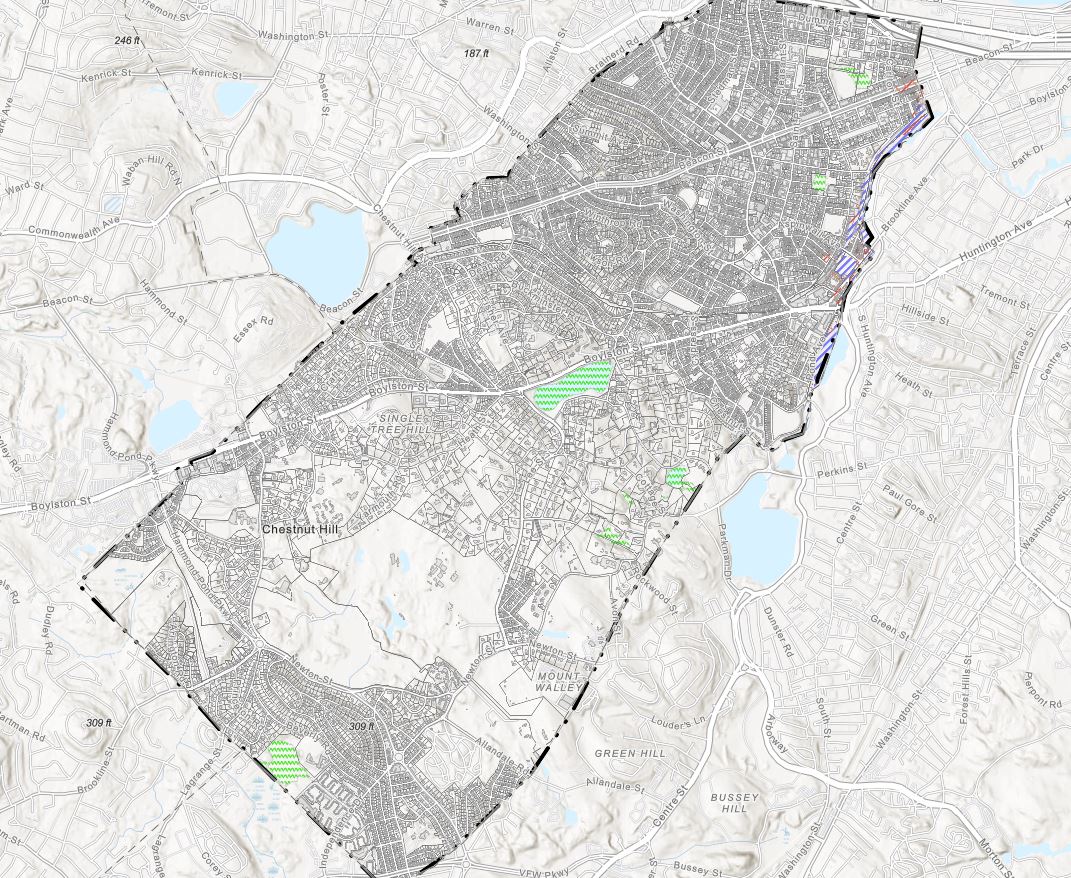
Brookline’s newly updated FEMA flood maps identify 97 high‑risk parcels, but local experts warn the true threat is far greater. While FEMA highlights river‑based flooding around Leverett Pond and the Muddy River, alternative models show more than 1,300 Brookline properties at risk within 30 years. Hidden vulnerabilities along major corridors like Beacon Street, rising rainfall intensity, aging infrastructure, and climate‑driven storm patterns suggest that many “low‑risk” areas may be anything but safe.