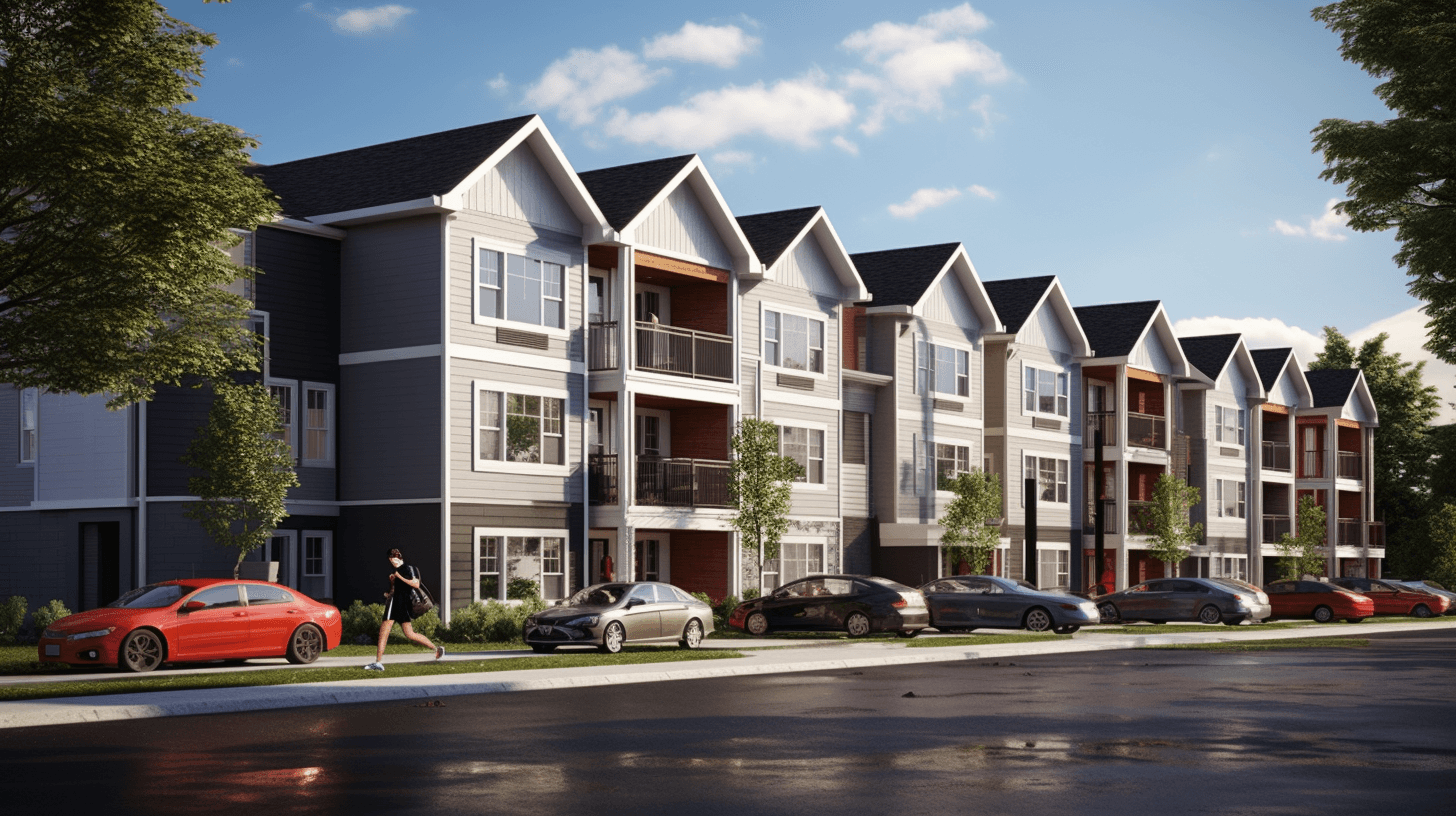
5% Down Payment Option for Multifamily Properties: A New Initiative by Fannie Mae
Expanding Homeownership Opportunities for Multifamily Property Buyers
In a significant move, Fannie Mae, a government-sponsored enterprise committed to providing liquidity to the mortgage market, has launched a new initiative to expand homeownership opportunities. This initiative introduces a 5% down payment option, revolutionizing the traditional requirements for purchasing multifamily homes. Let’s delve into the details of this exciting program and its potential impact on the real estate market.
Understanding the New Initiative
Fannie Mae’s innovative program offers aspiring homeowners and investors the chance to secure a multifamily property with just a 5% down payment. This reduced requirement breaks down the barriers that have hindered many individuals from entering the multifamily housing market, especially first-time homebuyers. By providing more accessible financing options, Fannie Mae aims to empower a wider range of individuals to realize their dreams of homeownership.

Flexibility and Eligibility Criteria
To participate in this program, potential buyers must meet specific eligibility criteria. These include having a minimum credit score, demonstrating stable income, and meeting specific debt-to-income ratio requirements. The program is available for both owner-occupied and non-owner-occupied multifamily properties, offering flexibility for investors and homeowners alike. This groundbreaking flexibility opens up new possibilities for individuals seeking to invest in real estate or secure their own homes.

Real Estate Market Impact
The introduction of the 5% down payment option for multifamily homes by Fannie Mae is poised to make a significant impact on the real estate market. In areas where affordable housing options are limited, this initiative may incentivize more individuals to invest in multifamily properties. As a result, the supply of rental units could increase, potentially driving down rental costs and providing relief to individuals seeking affordable housing. The ripple effect of this program could lead to a more balanced and accessible housing market.

Considerations and Risks
While the reduced down payment requirement offers numerous benefits, it’s important to consider the potential risks and implications. A lower down payment may result in higher monthly mortgage payments and additional mortgage insurance requirements. Aspiring homeowners and investors should carefully evaluate their financial situations and consult with mortgage professionals to make informed decisions. By understanding the potential risks, individuals can navigate this new initiative with confidence.
Final Thoughts
The introduction of a 5% down payment option for multifamily properties by Fannie Mae marks a significant development in the mortgage industry. This initiative not only expands homeownership opportunities for multifamily property buyers but also has the potential to increase the availability of affordable housing and stimulate the multifamily housing market. With this groundbreaking program, Fannie Mae is empowering individuals to embark on their homeownership journey and shaping a more inclusive and dynamic real estate landscape.
Embrace the Possibilities with Fannie Mae’s New Program
Realize Your Homeownership Dreams with Fannie Mae
Discover how Fannie Mae’s 5% down payment option can help you achieve your dream of owning a multifamily property. Take the first step towards a brighter future in real estate.
Ready to Begin Your Journey?
Contact our team today to learn more about Fannie Mae’s 5% down payment option and find the perfect multifamily property for your needs.
Explore Your Options