7 Retirement Trends Shaping 2026: What Professionals Should Know
Retirement planning in 2025 wasn’t just busy — it was transformative. Market swings, government noise, and new legislation helped reshape the entire financial landscape. If you’re entering the new year with an eye on building wealth, these seven trends will guide your strategy. They’re also incredibly relevant for professionals in real estate, finance, insurance, and other licensed industries — including many of the students at Cameron Academy.
1. Retirement Plans Are Evolving
The SECURE 2.0 updates brought automatic enrollment to new 401(k) and 403(b) plans at 3%, with increases up to 15%. Part‑time workers gained better access to plans, catch‑up contributions increased for ages 60–63, and a national database is being built to help reconnect people with lost accounts.
What it means: Saving is easier than ever — and harder to ignore.
For 2026: Review your plan and maximize what you can. If you’re a professional juggling multiple roles or career transitions, these new rules work in your favor.
2. Private Wealth Has Surged
U.S. retirement assets are projected to hit $52 trillion by 2029. With so much wealth in motion, demand for knowledgeable advisers has never been higher — something professionals in real estate, mortgage, and financial fields should take seriously.
What it means: Education matters. Investors want trained professionals.
For 2026: Work with advisers who invest in continuing education. Or, if you’re a professional yourself, consider upskilling — Cameron Academy offers licensing and CE courses for exactly this purpose.
3. Stable Value Funds Are Back
Interest rate changes made stable value funds attractive alternatives to money market funds. Their combination of price stability and returns above inflation turned heads in 2025.
What it means: A safer place to grow your savings, especially near retirement.
For 2026: Ask your plan adviser whether you have access to stable value options.
4. Target Date Funds Are Evolving
Not all target date funds operate the same. Their “glide paths” — how they adjust investments over time — can make or break retirement strategies.
What it means: Choosing the right glide path matters more than choosing the right year.
For 2026: Review your fund’s details instead of relying on its label alone.
5. Behavioral Coaching Is More Important Than Ever
Volatile headlines and unpredictable markets made emotional investing a real threat. Investors who automated contributions and stayed diversified often came out ahead.
What it means: Discipline beats headline‑chasing.
For 2026: Automate where possible and avoid making changes based on fear.
6. Advisers Are Guiding Clients Through Uncertainty
Government shutdowns and market dips tested investor confidence in 2025. Advisers who communicated proactively kept their clients steady.
What it means: Good communication prevents bad decisions.
For 2026: Stay connected with your adviser — especially when the news looks grim.
7. Maximizing Workplace Benefits Has Become Essential
Open enrollment in 2025 highlighted the importance of understanding every benefit available, not just retirement contributions.
What it means: Benefits have become a major part of your financial wellness.
For 2026: Review benefits carefully and update them after major life events such as marriage, divorce, or having a child.
Looking Ahead: Make 2026 Your Strongest Year
The retirement landscape has shifted — but for proactive professionals, that creates opportunity. Review your strategy, make informed updates, and seek guidance where needed. If advancing your career is part of your 2026 goals, Cameron Academy is here with licensing and continuing education programs across real estate, mortgage, insurance, and more.
Getting licensed or staying ahead in your career can be a journey—but it doesn’t have to be overwhelming. Grab your favorite coffee or tea, take a moment to relax, and browse through our articles. Whether you’re just starting out or renewing your expertise, we’ve got tips, insights, and advice to keep you moving forward. Here’s to your success—one sip and one step at a time!
November marked another cooldown for commercial real estate, with total deal volume dropping 10% year over year and falling below even 2020’s levels. While overall activity is slowing, investors are concentrating their money on bigger, more resilient assets—driving a 51% surge in deals over $100 million and pushing average transaction sizes well above historical norms. Multifamily remains the strongest sector, office deals are becoming more strategically focused, and medical office and data centers continue to outperform as long‑term demand stays solid.
After years of stalled activity, commercial real estate may finally be nearing a rebound. Experts say that expected interest‑rate drops in 2026 could reignite investor confidence, unlock sidelined capital, and boost deal flow across multiple sectors. But the outlook isn’t uniformly sunny—multifamily faces oversupply, industrial is cooling after years of rapid growth, and weakening employment conditions may slow absorption. For professionals across real estate, mortgage, insurance, and finance, the shifting landscape presents both challenges and major opportunities for those who stay informed and properly licensed.
Consumer Reports delivered a major warning to Congress, highlighting how rapidly expanding fintech tools—especially AI‑driven platforms—are outpacing consumer protections. In testimony before the House Subcommittee on Digital Assets, Financial Technology and AI, CR called for stronger, clearer rules to prevent hidden fees, predatory practices, and confusion within digital financial products. For professionals in real estate, mortgages, insurance, and finance, these emerging regulations may soon influence lending decisions, underwriting, credit evaluations, and compliance expectations across the industry.
Amazon is preparing to cut up to 30,000 corporate jobs by mid‑2026 as it pivots aggressively toward automation and AI. Following 14,000 layoffs in late 2025, the company is eliminating layers of management to redirect billions into robotics, generative AI systems, and supercomputing partnerships. While warehouse hiring continues for seasonal demand, Amazon’s internal shift reveals a broader nationwide trend: white‑collar roles across tech, finance, logistics, and more are being reshaped by automation at unprecedented speed.
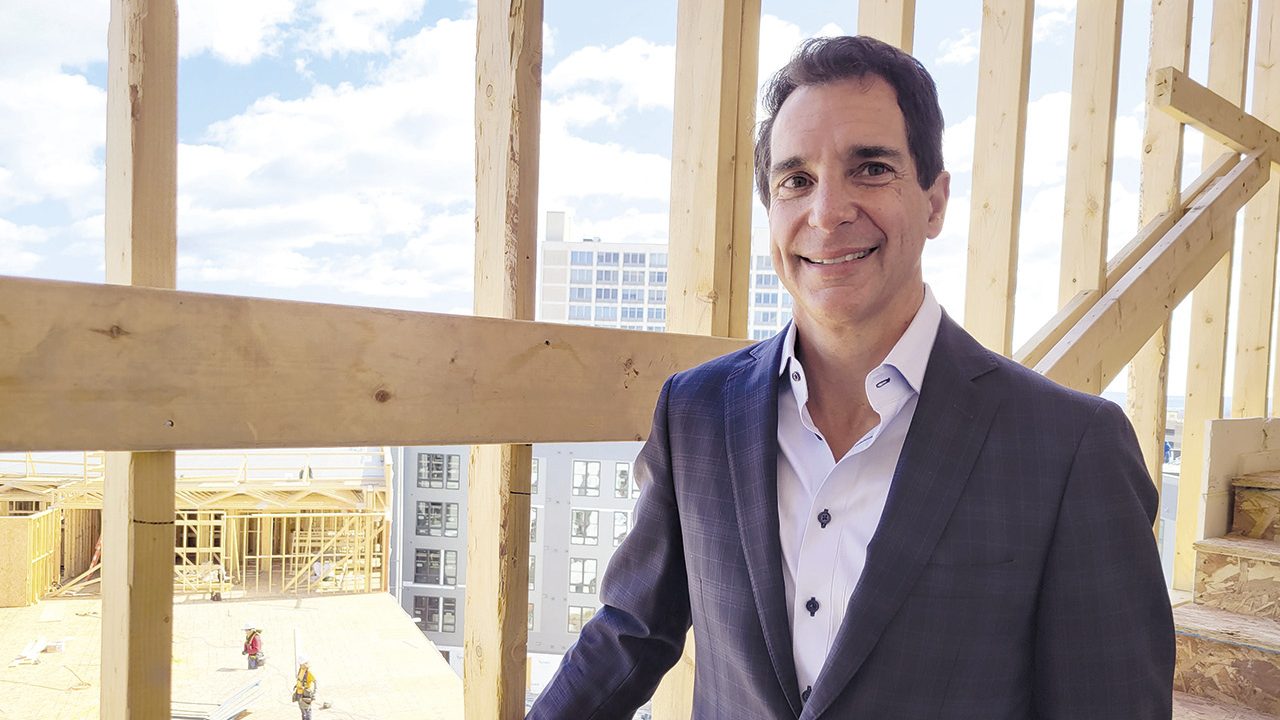
Florida’s real estate market enters 2026 with new leadership at the helm as Chuck Bonfiglio, broker-owner of AAA Realty Group, is officially installed as President of Florida Realtors. With more than 230,000 members behind the association, Bonfiglio highlights affordability, insurance reform, and taxes as key priorities while expressing optimism about easing mortgage rates, stabilizing prices, and growing inventory. Backed by years of statewide and national Realtor leadership, he aims to guide professionals through another transformative year alongside a newly appointed 2026 leadership team.
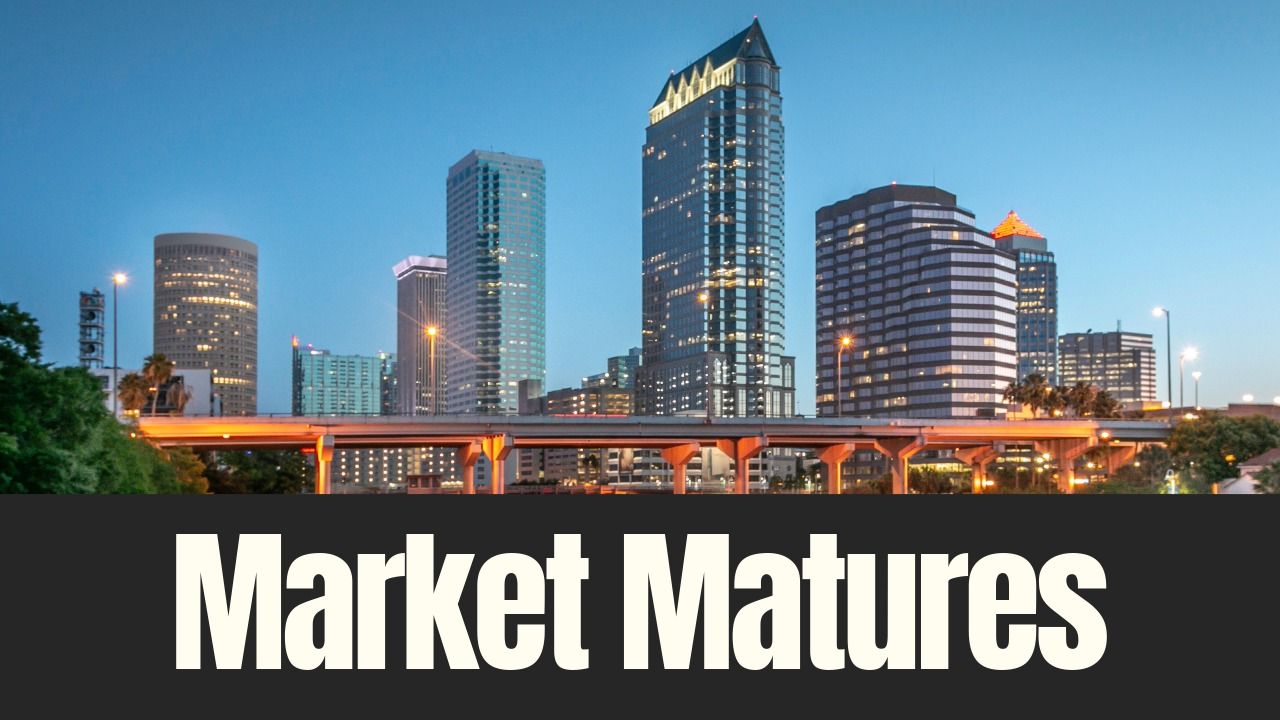
Tampa isn’t cooling off—it’s getting smarter. After years of rapid expansion, the city’s commercial real estate market has shifted into a more disciplined, selective phase. Population growth remains strong, office leasing is outperforming national trends, industrial activity is normalizing sustainably, and retail is seeing renewed investor confidence. With capital becoming more cautious and health care real estate emerging as a major growth sector, Tampa is entering a new era focused on strategy, execution, and long‑term fundamentals.