7 Retirement Trends Shaping 2026: What Professionals Should Know
Retirement planning in 2025 wasn’t just busy — it was transformative. Market swings, government noise, and new legislation helped reshape the entire financial landscape. If you’re entering the new year with an eye on building wealth, these seven trends will guide your strategy. They’re also incredibly relevant for professionals in real estate, finance, insurance, and other licensed industries — including many of the students at Cameron Academy.
1. Retirement Plans Are Evolving
The SECURE 2.0 updates brought automatic enrollment to new 401(k) and 403(b) plans at 3%, with increases up to 15%. Part‑time workers gained better access to plans, catch‑up contributions increased for ages 60–63, and a national database is being built to help reconnect people with lost accounts.
What it means: Saving is easier than ever — and harder to ignore.
For 2026: Review your plan and maximize what you can. If you’re a professional juggling multiple roles or career transitions, these new rules work in your favor.
2. Private Wealth Has Surged
U.S. retirement assets are projected to hit $52 trillion by 2029. With so much wealth in motion, demand for knowledgeable advisers has never been higher — something professionals in real estate, mortgage, and financial fields should take seriously.
What it means: Education matters. Investors want trained professionals.
For 2026: Work with advisers who invest in continuing education. Or, if you’re a professional yourself, consider upskilling — Cameron Academy offers licensing and CE courses for exactly this purpose.
3. Stable Value Funds Are Back
Interest rate changes made stable value funds attractive alternatives to money market funds. Their combination of price stability and returns above inflation turned heads in 2025.
What it means: A safer place to grow your savings, especially near retirement.
For 2026: Ask your plan adviser whether you have access to stable value options.
4. Target Date Funds Are Evolving
Not all target date funds operate the same. Their “glide paths” — how they adjust investments over time — can make or break retirement strategies.
What it means: Choosing the right glide path matters more than choosing the right year.
For 2026: Review your fund’s details instead of relying on its label alone.
5. Behavioral Coaching Is More Important Than Ever
Volatile headlines and unpredictable markets made emotional investing a real threat. Investors who automated contributions and stayed diversified often came out ahead.
What it means: Discipline beats headline‑chasing.
For 2026: Automate where possible and avoid making changes based on fear.
6. Advisers Are Guiding Clients Through Uncertainty
Government shutdowns and market dips tested investor confidence in 2025. Advisers who communicated proactively kept their clients steady.
What it means: Good communication prevents bad decisions.
For 2026: Stay connected with your adviser — especially when the news looks grim.
7. Maximizing Workplace Benefits Has Become Essential
Open enrollment in 2025 highlighted the importance of understanding every benefit available, not just retirement contributions.
What it means: Benefits have become a major part of your financial wellness.
For 2026: Review benefits carefully and update them after major life events such as marriage, divorce, or having a child.
Looking Ahead: Make 2026 Your Strongest Year
The retirement landscape has shifted — but for proactive professionals, that creates opportunity. Review your strategy, make informed updates, and seek guidance where needed. If advancing your career is part of your 2026 goals, Cameron Academy is here with licensing and continuing education programs across real estate, mortgage, insurance, and more.
Getting licensed or staying ahead in your career can be a journey—but it doesn’t have to be overwhelming. Grab your favorite coffee or tea, take a moment to relax, and browse through our articles. Whether you’re just starting out or renewing your expertise, we’ve got tips, insights, and advice to keep you moving forward. Here’s to your success—one sip and one step at a time!
After a turbulent 2025 marked by stalled construction, tight capital, and economic uncertainty, commercial real estate is finally entering a period of stabilization and early recovery. Analysts across Colliers, Cushman & Wakefield, CoStar, KBW, and Deloitte agree that 2026 brings a “new equilibrium,” with capital markets waking up, vacancies peaking, and investment activity returning. Office, industrial, retail, multifamily, and data center sectors each tell a different story—some recovering, some booming, some transforming—but all show signs of renewed momentum. For investors and professionals, 2026 offers cautious yet promising opportunities as the industry regains its footing.
Florida kicked off the new year with five impactful laws now in effect, influencing healthcare, insurance, animal welfare, and government employees statewide. From faster medical refund requirements to new pet‑insurance transparency rules and expanded benefits for state workers, these updates are already reshaping daily life and professional practices. Whether you work in real estate, insurance, healthcare, or any state‑licensed field, staying informed on these changes is essential as regulations continue to shift rapidly across Florida.
The commercial real estate market is entering 2026 with renewed momentum and long‑awaited signs of stability. Major research firms report a “new equilibrium” forming across asset classes, supported by lower interest rates, easing lending conditions, and returning investor confidence. Office vacancies are projected to improve, industrial demand remains strong despite reduced construction, and data centers continue to dominate growth. With capital markets reawakening and REITs poised for a potential breakout year, professionals who stay informed and expand their skill sets could find 2026 filled with fresh opportunity.
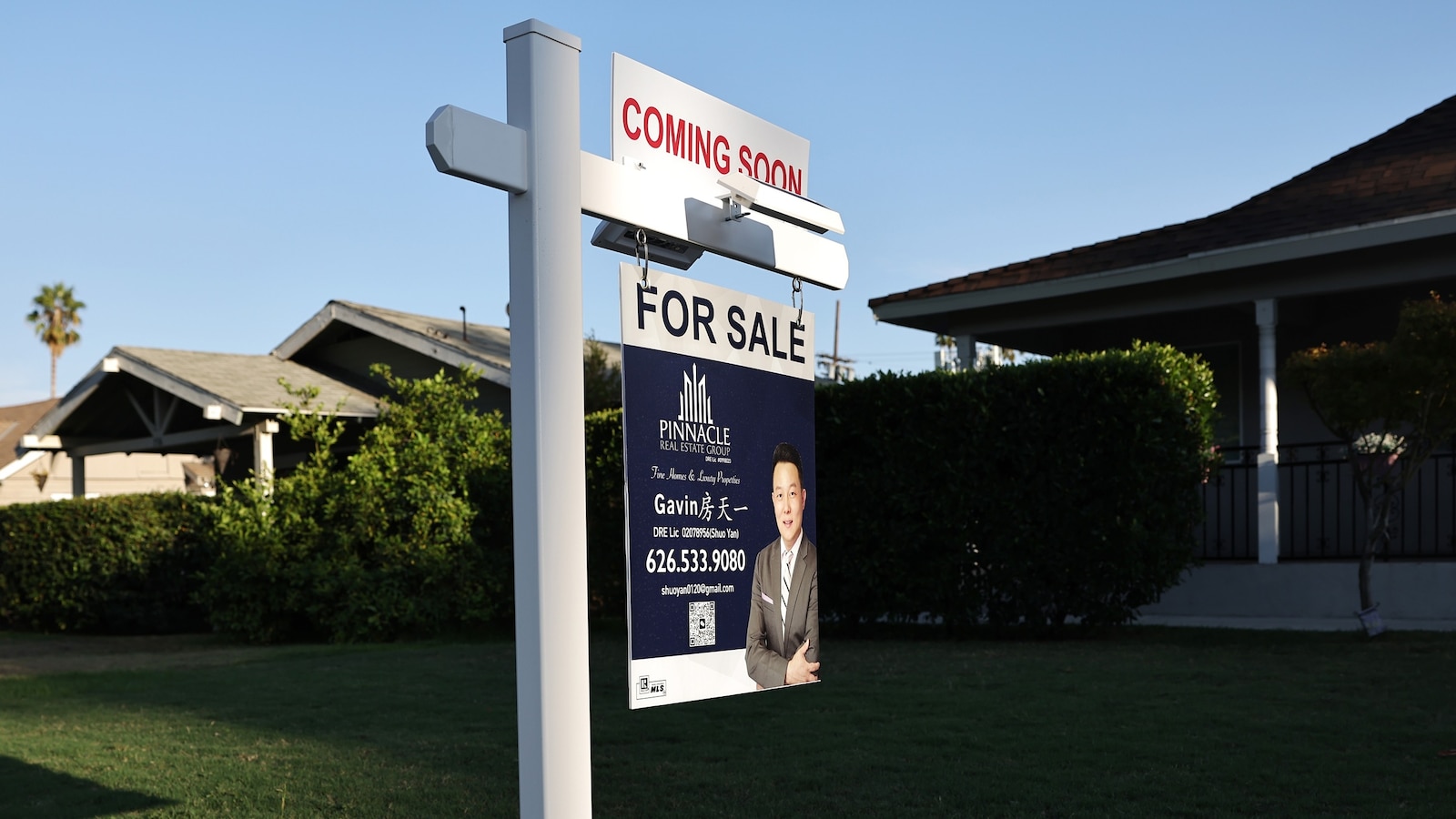
Mortgage rates have fallen to their lowest point since 2024, giving homebuyers a much‑needed break as 2026 begins. The average 30‑year fixed rate now sits near 6.12% to 6.15%, driven by multiple Fed rate cuts and cooling economic signals. While lower rates are boosting buyer optimism, tight inventory and the lingering lock‑in effect continue to challenge the market. This shift may open a key opportunity window for buyers— and for real estate and mortgage professionals looking to stay ahead of rapid industry changes.
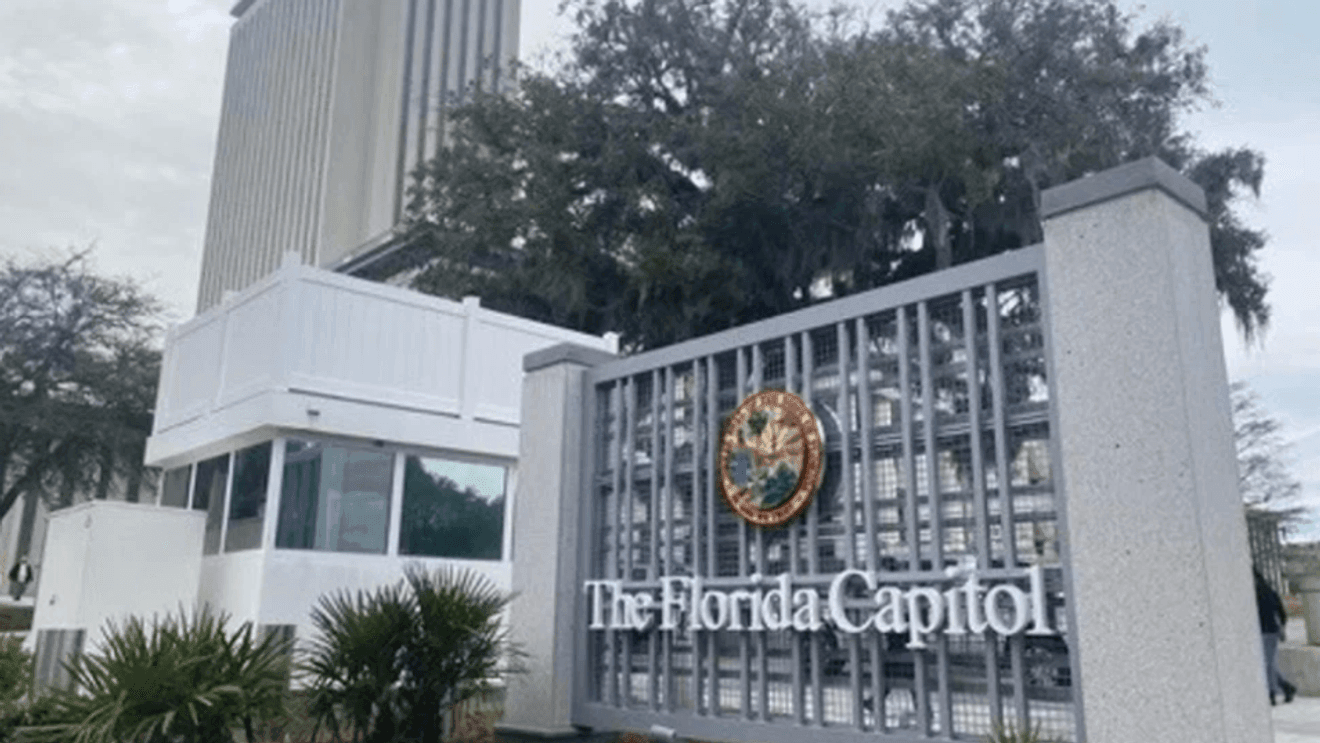
Florida is gearing up for what could be its biggest property tax transformation in decades. With state leaders, including Gov. Ron DeSantis, exploring ways to reduce or even eliminate property taxes as early as 2026, homeowners and real estate professionals are bracing for major changes. While supporters argue that Florida can cut back the nearly $60 billion in annual property tax revenue without harming essential services, local officials warn the move could jeopardize police, fire, EMS, and community programs. As the debate intensifies heading into the 2026 legislative session, the future of Florida’s housing affordability and municipal funding hangs in the balance.
Florida is starting 2026 with a slate of major new laws impacting health care, insurance, real estate, consumer protection, and public safety. From free breast‑cancer diagnostic exams for state employees to new transparency rules for condo associations and stricter regulations on pet insurance, these changes will influence professionals across multiple industries. Whether you work in real estate, insurance, health services, or public policy, understanding these updates will help you stay compliant and ahead of Florida’s fast‑evolving regulatory landscape.