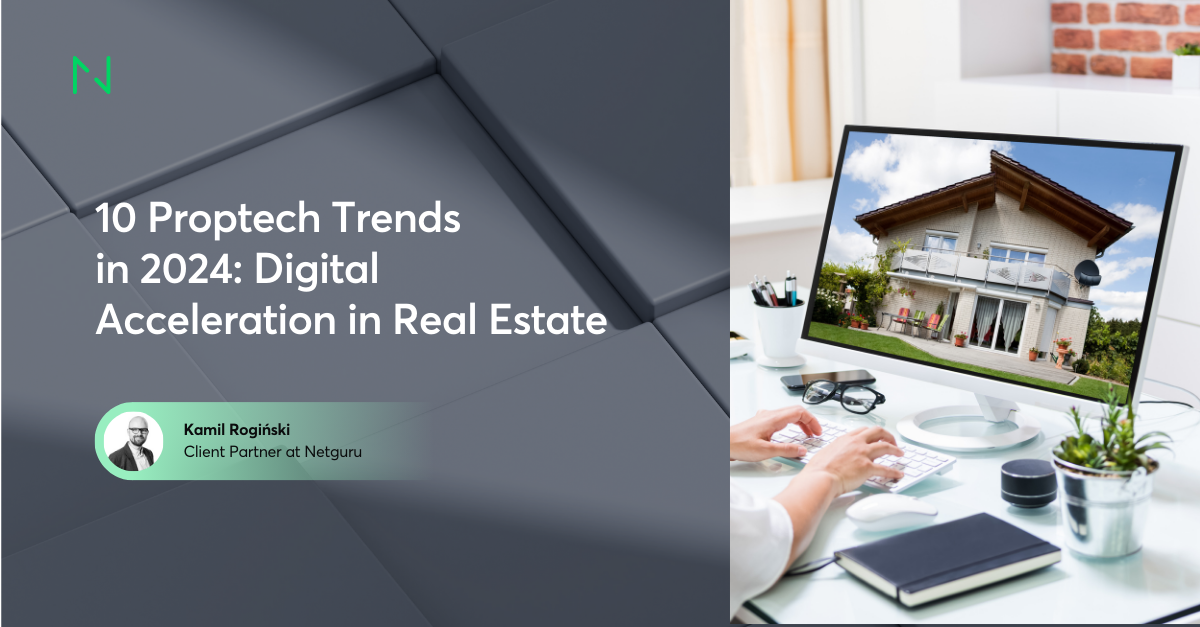
The real estate industry is poised on the brink of a digital revolution, as proptech trends in 2024 promise to reshape the market landscape. After a turbulent period marked by skyrocketing mortgage payments that reached an all-time high of $2,306 in July last year, the sector is now stabilizing, creating fertile ground for technological innovation.
Technology: A Beacon of Hope in Real Estate
Mark Fleming, Chief Economist at First American Financial Corporation, aptly described the current housing market as a Goldilocks scenario: “If the 2020-2021 housing market was too hot, then the 2023 market was probably too cold, but 2024 won’t yet be just right.” Despite the challenges, the industry is ripe for a digital transformation, with technologies like artificial intelligence (AI), augmented reality (AR), and predictive analytics leading the charge.
Key Drivers of Digital Acceleration
Artificial Intelligence: AI is revolutionizing market understanding, enabling accurate property value predictions and enhancing customer service through chatbots.
Augmented and Virtual Reality: These technologies allow potential buyers to tour properties virtually, breaking geographical barriers.
Predictive Analytics: By forecasting market trends and buyer behavior, predictive analytics empower agents to strategize effectively.
Personalization: Hyper-personalized property recommendations are transforming the search experience for buyers and renters.
The Democratization of Real Estate Investing
The advent of AI assistants like Alma by DealMachine is making real estate investing more accessible. These tools provide insights into potential rental income and repair costs, streamlining the investment process.
Next-Gen Experience and Tech-Enabled Brokerages
As Baby Boomers retire, a new generation of tech-savvy professionals is embracing proptech, driving a surge in digital innovation. Brokerages like Redfin and Compass are leading this transformation, enhancing client experiences and boosting productivity.
Embracing Sustainability and Efficiency
With a focus on sustainability, AI-powered tools are reducing building emissions and optimizing energy use, aligning with global net-zero targets. Meanwhile, AI is streamlining property management, automating tasks like rent collection and maintenance.
The Future is Now
In 2024, technologies like 3D home touring and AI-powered underwriting are set to redefine real estate transactions, making them more efficient and customer-friendly. As the industry continues to evolve, early adopters of these innovations will gain a competitive edge, as highlighted in the PwC Emerging Trends in Real Estate 2024 report.
This digital acceleration is not just a trend but a transformative force, promising to make the real estate market more accessible, sustainable, and personalized than ever before.
Getting licensed or staying ahead in your career can be a journey—but it doesn’t have to be overwhelming. Grab your favorite coffee or tea, take a moment to relax, and browse through our articles. Whether you’re just starting out or renewing your expertise, we’ve got tips, insights, and advice to keep you moving forward. Here’s to your success—one sip and one step at a time!
Cameron Academy's state-approved 63-hour Florida Real Estate Sales Associate Pre-License Course begins April 13, 2026 at the Dr. Phillips campus in Orlando. Attend in person or join live via Zoom. Morning schedule, expert instruction, and only 14 seats remaining. Enroll now before this class fills up.
The Florida real estate licensing exam is the single biggest gatekeeper between you and a career in one of the nation's most active real estate markets. And the numbers don't sugarcoat it: roughly half of all first-time test-takers in Florida walk out without a passing score. According to data compiled by Colibri Real Estate, Florida's first-time pass rate sits at approximately 51%, with about 41,900 candidates taking the exam each year.
Part-Time vs. Full-Time: Can You Get Your Real Estate License While Working a 9‑to‑5? The honest, data-backed guide to earning your license around a day #ReadMore
Florida’s 2026 legislative session brought significant victories for real estate professionals, with Realtor advocacy preserving key regulatory structures, strengthening property rights, improving major housing programs, and protecting agents from new liabilities. From blocking the dismantling of the Florida Real Estate Commission to advancing bills that support safer, more transparent transactions, these wins shape a more stable future for Florida agents, brokers, and consumers.
AI‑enhanced listing images are transforming real estate marketing, but they’re also creating a growing trust problem. Tools that once simply brightened rooms can now erase damage, add furniture, or even generate entirely new scenes, fueling a trend known as “housefishing.” As complaints rise and states like California introduce disclosure laws, the industry is being forced to confront a new reality: the more perfect the photos get, the more renters and buyers crave authenticity.
Florida homeowners hit by Hurricane Milton face an important April 9 deadline to file or reopen supplemental insurance claims. With more than 385,000 claims and over 5.6 billion dollars in losses already reported, experts warn that waiting until construction is completed could leave families without the additional funds they’re owed. An 18‑month window applies to supplemental claims, and missing it could cause insurance companies to deny further reimbursement.