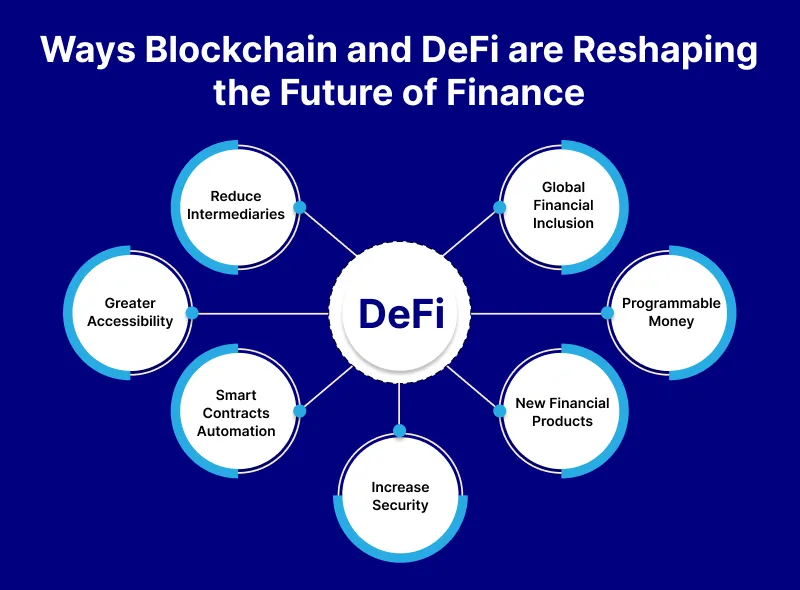
In a world where financial transactions are evolving at breakneck speed, Decentralised Finance (DeFi) emerges as a beacon of transformation, promising to revolutionize how we interact with money. Gone are the days when traditional banks held the reins. Today, DeFi stands at the forefront, offering instant, transparent transactions without the constraints of conventional banking systems.
By embracing DeFi and the blockchain revolution, individuals can seize control of their financial futures. This new paradigm opens doors to innovative investment opportunities and fosters a more inclusive global economy. As highlighted in the original article from the London Daily News, the impact of DeFi is monumental, reshaping the very fabric of the financial world.
Understanding Blockchain Technology in Finance
Blockchain technology is at the heart of this transformation, providing a decentralized, secure, and transparent framework for transactions. Unlike traditional systems, blockchain’s distributed ledger records transactions across multiple computers, ensuring no single entity has control. This decentralization enhances security and fosters trust, as altering any entry requires consensus.
Enhances security through cryptography, minimizing fraud risk
Facilitates faster transactions for near-instant cross-border payments
The Purpose of DeFi Applications
In this new financial ecosystem, DeFi leverages blockchain technology to offer decentralized financial services. DeFi promotes a peer-to-peer (P2P) approach, eliminating the need for traditional gatekeepers. Services such as lending, borrowing, and investing become more transparent and user-controlled, as explored in the future of blockchain in finance.
How Does DeFi Work?
DeFi’s foundation in blockchain technology, particularly Ethereum, enables decentralization. Smart contracts, which are self-executing contracts, automate financial processes, removing the need for intermediaries and promoting accessibility, security, and transparency.
Reshaping the Future of Finance
The transformative power of DeFi lies in its ability to address the challenges of conventional financial systems. By minimizing the need for traditional intermediaries, DeFi streamlines transactions, reducing costs and enhancing efficiency. Platforms like Aave exemplify this by allowing borrowers to connect directly with lenders, bypassing banks.
Greater Accessibility
DeFi platforms break down barriers, offering financial services to anyone with an internet connection. This inclusivity is vital in regions with limited access to traditional banking.
Smart Contracts Automation
Smart contracts automate processes, reducing human error and ensuring prompt, transparent transactions.
Increase Security
With its immutable nature, blockchain technology enhances security, making data tampering difficult. Platforms like Uniswap ensure safe, open transactions, reducing fraud risks.
New Financial Products
DeFi introduces innovative financial products, offering more flexibility and alternatives than traditional finance.
DeFi’s potential for global financial inclusion is immense, offering services to underbanked populations worldwide. By eliminating intermediaries and leveraging smartphones, people in rural areas gain access to financial opportunities previously unavailable.
As we navigate this blockchain revolution, investing in DeFi solutions becomes not only feasible but essential. Embracing DeFi unlocks unprecedented opportunities, reshaping the future of finance.
Getting licensed or staying ahead in your career can be a journey—but it doesn’t have to be overwhelming. Grab your favorite coffee or tea, take a moment to relax, and browse through our articles. Whether you’re just starting out or renewing your expertise, we’ve got tips, insights, and advice to keep you moving forward. Here’s to your success—one sip and one step at a time!
Cameron Academy's state-approved 63-hour Florida Real Estate Sales Associate Pre-License Course begins April 13, 2026 at the Dr. Phillips campus in Orlando. Attend in person or join live via Zoom. Morning schedule, expert instruction, and only 14 seats remaining. Enroll now before this class fills up.
The Florida real estate licensing exam is the single biggest gatekeeper between you and a career in one of the nation's most active real estate markets. And the numbers don't sugarcoat it: roughly half of all first-time test-takers in Florida walk out without a passing score. According to data compiled by Colibri Real Estate, Florida's first-time pass rate sits at approximately 51%, with about 41,900 candidates taking the exam each year.
Part-Time vs. Full-Time: Can You Get Your Real Estate License While Working a 9‑to‑5? The honest, data-backed guide to earning your license around a day #ReadMore
Florida’s 2026 legislative session brought significant victories for real estate professionals, with Realtor advocacy preserving key regulatory structures, strengthening property rights, improving major housing programs, and protecting agents from new liabilities. From blocking the dismantling of the Florida Real Estate Commission to advancing bills that support safer, more transparent transactions, these wins shape a more stable future for Florida agents, brokers, and consumers.
AI‑enhanced listing images are transforming real estate marketing, but they’re also creating a growing trust problem. Tools that once simply brightened rooms can now erase damage, add furniture, or even generate entirely new scenes, fueling a trend known as “housefishing.” As complaints rise and states like California introduce disclosure laws, the industry is being forced to confront a new reality: the more perfect the photos get, the more renters and buyers crave authenticity.
Florida homeowners hit by Hurricane Milton face an important April 9 deadline to file or reopen supplemental insurance claims. With more than 385,000 claims and over 5.6 billion dollars in losses already reported, experts warn that waiting until construction is completed could leave families without the additional funds they’re owed. An 18‑month window applies to supplemental claims, and missing it could cause insurance companies to deny further reimbursement.