The Growing Role of Telehealth in Nursing: A New Frontier for Patient Care
As the world of healthcare continues to evolve, nurses are at the forefront, embracing telehealth technology to revolutionize patient care. With the increased demand on healthcare systems due to an aging population and ongoing nursing shortages, telehealth is becoming an indispensable tool for nurses, enhancing patient outcomes and expanding access to quality healthcare.
According to the Agency for Healthcare Research and Quality, the integration of telehealth services has accelerated since the onset of the COVID-19 pandemic. This trend is supported by data from the U.S. Department of Health and Human Services, which highlights the significant rise in telehealth usage during the pandemic.
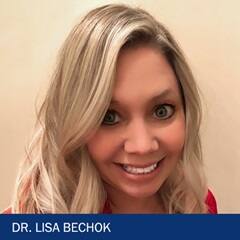
Dr. Lisa Bechok, a clinical faculty member at Southern New Hampshire University, emphasizes the critical role nurses play in safeguarding public health. “From ensuring the most accurate diagnosis and treatment options to the ongoing education of the public about critical health issues, nurses are indispensable,” Bechok states.
Telehealth not only facilitates remote monitoring of patient health but also breaks down geographical barriers, allowing those in rural areas to access necessary healthcare services. This is particularly beneficial for managing chronic conditions, reducing hospitalizations, and lowering healthcare costs, as noted in an article from the National Library of Medicine.
What is Telehealth?
Defined by the National Institute of Biomedical Imaging and Bioengineering, telehealth uses communication technology to provide medical care at a distance. It replaces traditional face-to-face visits with video conferencing and phone calls, enabling patients to receive care from the comfort of their homes.
Telehealth’s role in nursing spans various areas, including acute and chronic care, hospice, palliative, and primary care. This expansion provides nurses with innovative tools to reach patients and improve healthcare access for all, as highlighted by Bechok.
The Four Ps of Telehealth Nursing
As telehealth continues to grow, the Four Ps of Telehealth framework aids in nursing education:
Planning: Identifying issues, technology, and patient needs.
Preparing: Setting up technology support and training personnel.
Providing: Conducting patient history and physical examination remotely.
Performance Evaluation: Assessing program impacts and outcomes.
Despite the numerous benefits, challenges such as broadband access and regulatory issues persist. However, the pandemic has propelled the integration of telehealth, with nurses continuing to adapt and innovate in their roles.
In conclusion, telehealth is reshaping the landscape of nursing, offering flexibility and improved access to care. As Dr. Bechok aptly puts it, “Nursing is the glue that holds a patient’s healthcare journey together,” whether through telehealth or face-to-face interactions.
Getting licensed or staying ahead in your career can be a journey—but it doesn’t have to be overwhelming. Grab your favorite coffee or tea, take a moment to relax, and browse through our articles. Whether you’re just starting out or renewing your expertise, we’ve got tips, insights, and advice to keep you moving forward. Here’s to your success—one sip and one step at a time!
Cameron Academy's state-approved 63-hour Florida Real Estate Sales Associate Pre-License Course begins April 13, 2026 at the Dr. Phillips campus in Orlando. Attend in person or join live via Zoom. Morning schedule, expert instruction, and only 14 seats remaining. Enroll now before this class fills up.
The Florida real estate licensing exam is the single biggest gatekeeper between you and a career in one of the nation's most active real estate markets. And the numbers don't sugarcoat it: roughly half of all first-time test-takers in Florida walk out without a passing score. According to data compiled by Colibri Real Estate, Florida's first-time pass rate sits at approximately 51%, with about 41,900 candidates taking the exam each year.
Part-Time vs. Full-Time: Can You Get Your Real Estate License While Working a 9‑to‑5? The honest, data-backed guide to earning your license around a day #ReadMore
Florida’s 2026 legislative session brought significant victories for real estate professionals, with Realtor advocacy preserving key regulatory structures, strengthening property rights, improving major housing programs, and protecting agents from new liabilities. From blocking the dismantling of the Florida Real Estate Commission to advancing bills that support safer, more transparent transactions, these wins shape a more stable future for Florida agents, brokers, and consumers.
AI‑enhanced listing images are transforming real estate marketing, but they’re also creating a growing trust problem. Tools that once simply brightened rooms can now erase damage, add furniture, or even generate entirely new scenes, fueling a trend known as “housefishing.” As complaints rise and states like California introduce disclosure laws, the industry is being forced to confront a new reality: the more perfect the photos get, the more renters and buyers crave authenticity.
Florida homeowners hit by Hurricane Milton face an important April 9 deadline to file or reopen supplemental insurance claims. With more than 385,000 claims and over 5.6 billion dollars in losses already reported, experts warn that waiting until construction is completed could leave families without the additional funds they’re owed. An 18‑month window applies to supplemental claims, and missing it could cause insurance companies to deny further reimbursement.