Exploring the Benefits and Risks of AI in Oncology
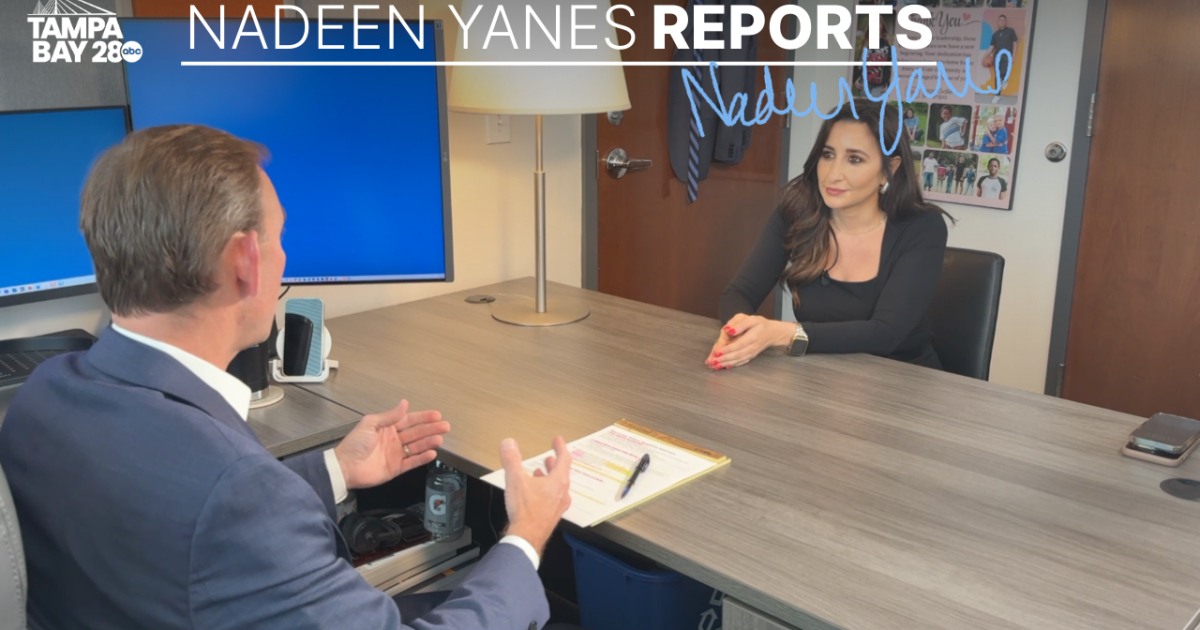
In the rapidly evolving landscape of healthcare, the integration of artificial intelligence (AI) into oncology is a topic of significant interest and debate. Recently, Ted A. James, MD, MHCM, FACS, a prominent figure in the field, shared his insights on this subject. As the Chief of Breast Surgical Oncology at Beth Israel Deaconess Medical Center and an Associate Professor at Harvard Medical School, Dr. James is at the forefront of exploring how AI can revolutionize oncology care.
The Promise of AI in Healthcare
The potential of AI to transform medical services is immense. From enhancing diagnostic precision to personalizing treatment options, AI is poised to play a pivotal role in the future of healthcare. In oncology, AI’s ability to analyze vast datasets can lead to more accurate prognostic indicators and improve patient outcomes. Dr. James emphasizes the importance of utilizing AI for precision medicine, particularly by integrating tumor characteristics with genetic profiles.
Challenges and Concerns
However, the journey towards widespread AI adoption in healthcare is fraught with challenges. One of the primary concerns is the risk of AI-induced biases, which can arise from the data used to train these systems. Additionally, data privacy and security are critical issues that must be addressed to ensure patient safety. Dr. James highlights the need for regulatory oversight and ethical guidelines to navigate these complexities.
Current Applications and Future Prospects AI is already being utilized in various healthcare applications, from diagnostic assistance to operational efficiencies. For instance, AI systems can monitor patients post-discharge to detect early signs of complications. In oncology, AI shows promise in risk assessment and predictive analytics, enabling proactive patient care.
Dr. James advocates for oncologists to explore AI tools in their practice, particularly in personalized treatment and administrative processes. By identifying high-risk patients and tailoring care plans, AI can enhance patient care and streamline workflows.
Building Trust in AI
For clinicians to embrace AI, trust in its accuracy and reliability is paramount. Dr. James stresses the importance of transparency and validation studies to build confidence in AI-powered tools. Explainable AI, which clarifies how conclusions are drawn, is crucial in fostering trust among healthcare professionals.
Ethical Considerations and Accountability
The ethical implications of AI in healthcare cannot be overlooked. Cybersecurity breaches, the potential for AI to generate false information, and the risk of dehumanizing patient care are pressing concerns. Dr. James underscores the importance of shared accountability among technology developers, healthcare organizations, and physicians to mitigate these risks.
Conclusion
As AI continues to evolve, its integration into healthcare holds the promise of transformative change. Dr. James envisions a future where AI enables precision medicine and empowers patients to take an active role in their healthcare. However, careful implementation and collaboration among stakeholders are essential to harness AI’s full potential while safeguarding against its pitfalls.
Getting licensed or staying ahead in your career can be a journey—but it doesn’t have to be overwhelming. Grab your favorite coffee or tea, take a moment to relax, and browse through our articles. Whether you’re just starting out or renewing your expertise, we’ve got tips, insights, and advice to keep you moving forward. Here’s to your success—one sip and one step at a time!
Cameron Academy's state-approved 63-hour Florida Real Estate Sales Associate Pre-License Course begins April 13, 2026 at the Dr. Phillips campus in Orlando. Attend in person or join live via Zoom. Morning schedule, expert instruction, and only 14 seats remaining. Enroll now before this class fills up.
The Florida real estate licensing exam is the single biggest gatekeeper between you and a career in one of the nation's most active real estate markets. And the numbers don't sugarcoat it: roughly half of all first-time test-takers in Florida walk out without a passing score. According to data compiled by Colibri Real Estate, Florida's first-time pass rate sits at approximately 51%, with about 41,900 candidates taking the exam each year.
Part-Time vs. Full-Time: Can You Get Your Real Estate License While Working a 9‑to‑5? The honest, data-backed guide to earning your license around a day #ReadMore
Florida’s 2026 legislative session brought significant victories for real estate professionals, with Realtor advocacy preserving key regulatory structures, strengthening property rights, improving major housing programs, and protecting agents from new liabilities. From blocking the dismantling of the Florida Real Estate Commission to advancing bills that support safer, more transparent transactions, these wins shape a more stable future for Florida agents, brokers, and consumers.
AI‑enhanced listing images are transforming real estate marketing, but they’re also creating a growing trust problem. Tools that once simply brightened rooms can now erase damage, add furniture, or even generate entirely new scenes, fueling a trend known as “housefishing.” As complaints rise and states like California introduce disclosure laws, the industry is being forced to confront a new reality: the more perfect the photos get, the more renters and buyers crave authenticity.
Florida homeowners hit by Hurricane Milton face an important April 9 deadline to file or reopen supplemental insurance claims. With more than 385,000 claims and over 5.6 billion dollars in losses already reported, experts warn that waiting until construction is completed could leave families without the additional funds they’re owed. An 18‑month window applies to supplemental claims, and missing it could cause insurance companies to deny further reimbursement.