In a world where urban landscapes are increasingly dominated by concrete jungles, the phenomenon of “heat islands” has emerged as a significant concern. Cities, with their dense concentrations of pavement and buildings, absorb and retain heat, leading to higher temperatures compared to their rural counterparts. This effect not only raises energy costs but also exacerbates air pollution and increases heat-related illnesses.

The U.S. Environmental Protection Agency (EPA) has highlighted the importance of green infrastructure in mitigating these effects. By integrating natural surfaces such as trees and vegetation into urban environments, cities can significantly reduce the heat island effect. This approach not only provides much-needed cooling but also enhances the overall health and safety of communities.

Reduce heat islands
Heat waves are occurring more often in major cities across the United States as the climate changes (Source: Climate Indicators in the United States).

As temperatures continue to rise, the frequency and intensity of heat waves are expected to increase. Green infrastructure, such as trees and vegetation, plays a crucial role in combating these challenges. By shading building surfaces, deflecting solar radiation, and releasing moisture into the atmosphere, these natural elements can help keep urban areas cooler.

Case Study: Louisville, Kentucky

In 2014, Louisville, Kentucky, embarked on a mission to assess its tree canopy with a $115,700 contract. The goal was to use trees to address urban heat and other environmental concerns. The study revealed that Louisville’s trees provide over $389 million in annual benefits, including stormwater interception, temperature moderation, and air quality improvements. More details can be found in the Louisville Urban Tree Canopy Fact Sheet 2015.

Green Roofs: A Viable Solution

Another effective strategy is the implementation of green roofs. These installations provide both direct and ambient cooling effects while improving air quality by absorbing pollutants. Cities like Washington D.C. and Philadelphia offer incentives such as the RiverSmart Rooftops Green Roof Rebate Program and the Green Roof Tax Credit Program to encourage the adoption of green roofs.

As urban planners and policymakers seek sustainable solutions, the integration of green infrastructure into regular community upgrades is paramount. The EPA provides resources and strategies, including its Heat Island Cooling Strategies and the Community Actions Database, to guide these efforts.

For those interested in further exploring the benefits of green infrastructure, the EPA offers a wealth of resources, including the Green Infrastructure in Parks Guide and the EPA Heat Island Program.


More Articles

Getting licensed or staying ahead in your career can be a journey—but it doesn’t have to be overwhelming. Grab your favorite coffee or tea, take a moment to relax, and browse through our articles. Whether you’re just starting out or renewing your expertise, we’ve got tips, insights, and advice to keep you moving forward. Here’s to your success—one sip and one step at a time!

Florida Real Estate Pre-License Class Starting April 13, 2026 – Only 9 Seats Left | Cameron Academy Orlando

Cameron Academy's state-approved 63-hour Florida Real Estate Sales Associate Pre-License Course begins April 13, 2026 at the Dr. Phillips campus in Orlando. Attend in person or join live via Zoom. Morning schedule, expert instruction, and only 14 seats remaining. Enroll now before this class fills up.

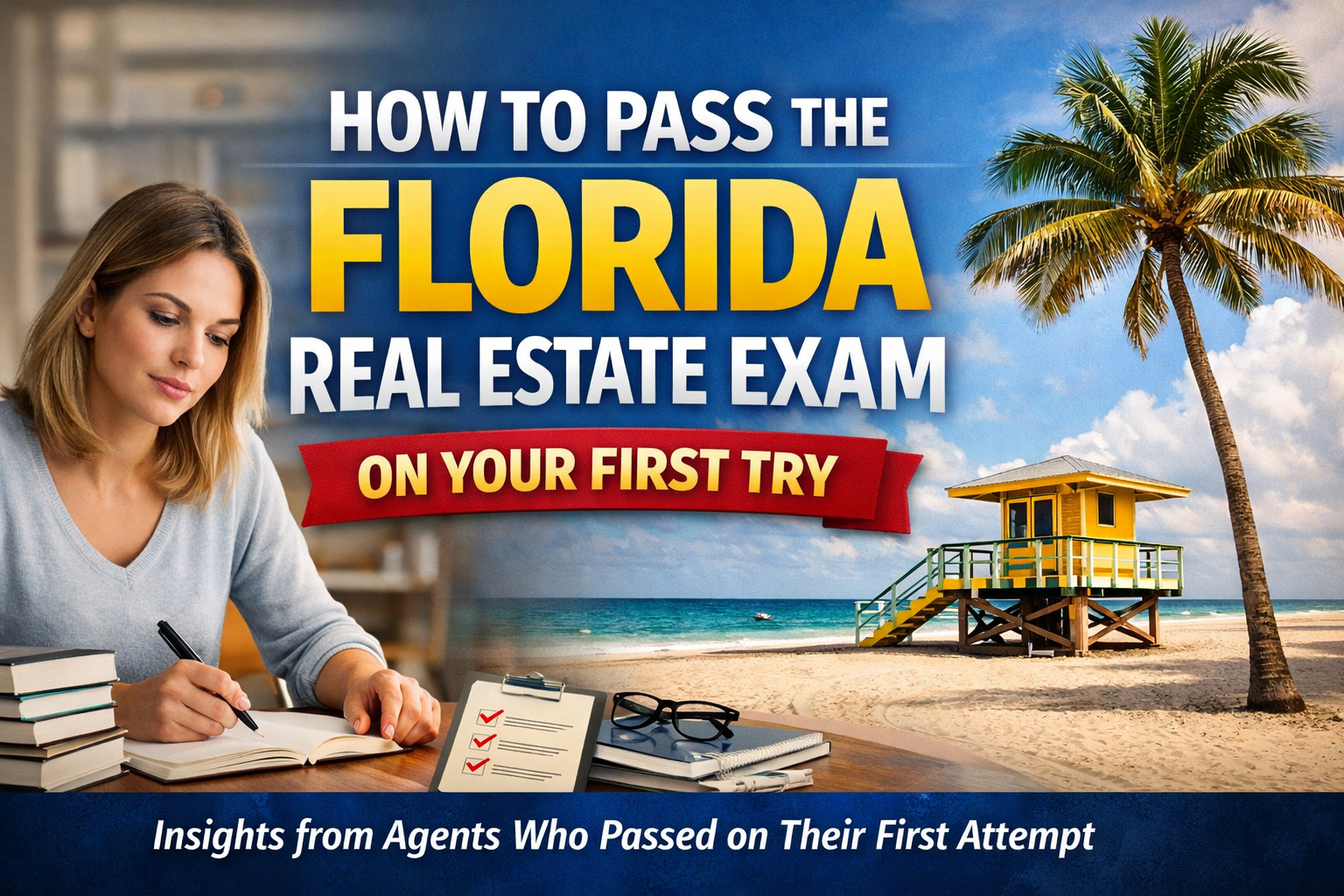
How to Pass the Florida Real Estate Exam on Your First Try (From People Who Did It – With Videos)

The Florida real estate licensing exam is the single biggest gatekeeper between you and a career in one of the nation's most active real estate markets. And the numbers don't sugarcoat it: roughly half of all first-time test-takers in Florida walk out without a passing score. According to data compiled by Colibri Real Estate, Florida's first-time pass rate sits at approximately 51%, with about 41,900 candidates taking the exam each year.

By |March 20, 2026|Categories: Article, Cameron Academy Post|0 Comments

Part-Time vs. Full-Time: Can You Get Your Real Estate License While Working a 9-to-5?

Part-Time vs. Full-Time: Can You Get Your Real Estate License While Working a 9‑to‑5? The honest, data-backed guide to earning your license around a day #ReadMore

By |March 19, 2026|Categories: Article, Cameron Academy Post|0 Comments

Realtor Advocacy Secures Major Wins in Florida’s 2026 Legislative Session

Florida’s 2026 legislative session brought significant victories for real estate professionals, with Realtor advocacy preserving key regulatory structures, strengthening property rights, improving major housing programs, and protecting agents from new liabilities. From blocking the dismantling of the Florida Real Estate Commission to advancing bills that support safer, more transparent transactions, these wins shape a more stable future for Florida agents, brokers, and consumers.

AI Listing Photos Are Becoming Too Real — And Too Misleading

AI‑enhanced listing images are transforming real estate marketing, but they’re also creating a growing trust problem. Tools that once simply brightened rooms can now erase damage, add furniture, or even generate entirely new scenes, fueling a trend known as “housefishing.” As complaints rise and states like California introduce disclosure laws, the industry is being forced to confront a new reality: the more perfect the photos get, the more renters and buyers crave authenticity.

Hurricane Milton Supplemental Claim Deadline Approaches for Florida Homeowners

Florida homeowners hit by Hurricane Milton face an important April 9 deadline to file or reopen supplemental insurance claims. With more than 385,000 claims and over 5.6 billion dollars in losses already reported, experts warn that waiting until construction is completed could leave families without the additional funds they’re owed. An 18‑month window applies to supplemental claims, and missing it could cause insurance companies to deny further reimbursement.