“`html

Unlocking Success: The Best Online Real Estate Courses in New York for 2025

In the bustling world of New York real estate, aspiring agents are seeking the best pathways to success. As the market continues to evolve, the demand for comprehensive and flexible learning options has never been greater. HousingWire has meticulously reviewed the top online real estate courses available in New York State, providing a roadmap for those eager to make their mark in the industry.


Why Choose Online Courses?

For those aiming to become a real estate agent in New York, the journey begins with a mandatory 77-hour prelicensing course followed by the state exam. Online courses offer a unique blend of flexibility, affordability, and accessibility, catering to diverse learning styles and schedules. Whether you’re balancing a full-time job or other commitments, these courses are designed to fit seamlessly into your life.


Top Picks for 2025

HousingWire’s review highlights five standout courses, each offering distinct features to suit various needs:

  • The CE Shop: Known for its intuitive user dashboard and a 5-day free trial, this course offers a pass guarantee and comprehensive exam prep tools.
  • Aceable Agent: Perfect for those on the go, this course provides mobile app access and audio lessons, making learning convenient and flexible.
  • Colibri Real Estate: With a focus on goal tracking and accountability, this course includes study schedules and progress tracking.
  • Kaplan Real Estate Education: Offers robust instructor support with video content and career mentoring opportunities.
  • RealEstateU: A budget-friendly option providing essential courses with a focus on independent study.

Investment in Your Future

While the costs of these courses range from $149 to $909, they represent an investment in a lucrative career. According to Indeed, New York real estate agents earn an average of $105,472 annually. This potential return makes the initial outlay for education a worthwhile consideration.


Preparation is Key

With a pass rate of around 60% for the New York real estate licensing exam, preparation is crucial. The courses recommended by HousingWire provide a variety of study tools, including practice tests, quizzes, and webinars, ensuring that students are well-equipped to succeed on their first attempt.


For more detailed insights and to explore these courses further, visit the original article on HousingWire. This comprehensive guide will help you navigate the options and choose the course that aligns with your career aspirations and learning style.


As you embark on your journey into the dynamic world of New York real estate, remember that the right education is the foundation of your success. With the guidance of these top online courses, you’ll be well on your way to a rewarding and prosperous career.


“`

More Articles

Getting licensed or staying ahead in your career can be a journey—but it doesn’t have to be overwhelming. Grab your favorite coffee or tea, take a moment to relax, and browse through our articles. Whether you’re just starting out or renewing your expertise, we’ve got tips, insights, and advice to keep you moving forward. Here’s to your success—one sip and one step at a time!

Florida Real Estate Pre-License Class Starting April 13, 2026 – Only 9 Seats Left | Cameron Academy Orlando

Cameron Academy's state-approved 63-hour Florida Real Estate Sales Associate Pre-License Course begins April 13, 2026 at the Dr. Phillips campus in Orlando. Attend in person or join live via Zoom. Morning schedule, expert instruction, and only 14 seats remaining. Enroll now before this class fills up.

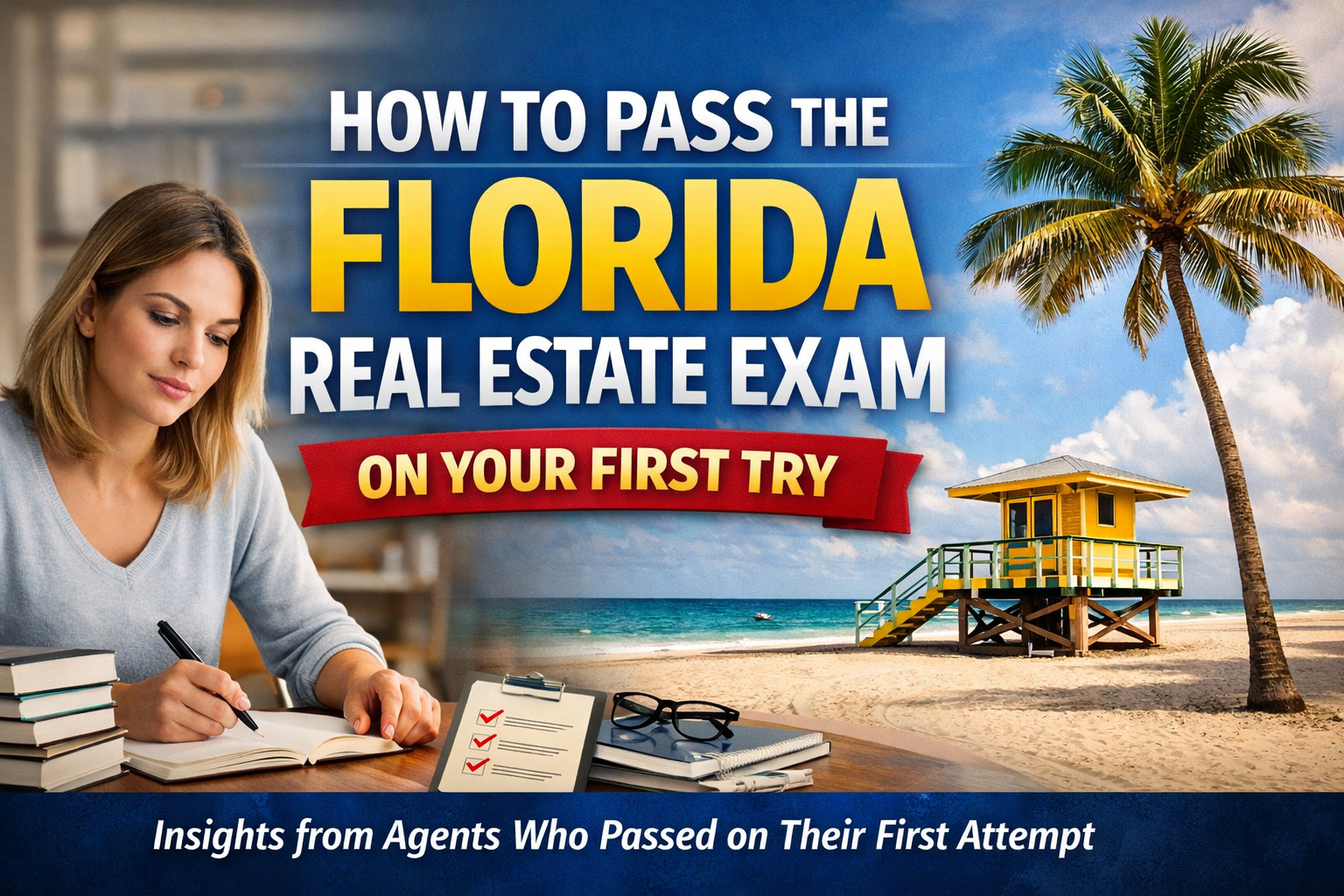
How to Pass the Florida Real Estate Exam on Your First Try (From People Who Did It – With Videos)

The Florida real estate licensing exam is the single biggest gatekeeper between you and a career in one of the nation's most active real estate markets. And the numbers don't sugarcoat it: roughly half of all first-time test-takers in Florida walk out without a passing score. According to data compiled by Colibri Real Estate, Florida's first-time pass rate sits at approximately 51%, with about 41,900 candidates taking the exam each year.

By |March 20, 2026|Categories: Article, Cameron Academy Post|0 Comments

Part-Time vs. Full-Time: Can You Get Your Real Estate License While Working a 9-to-5?

Part-Time vs. Full-Time: Can You Get Your Real Estate License While Working a 9‑to‑5? The honest, data-backed guide to earning your license around a day #ReadMore

By |March 19, 2026|Categories: Article, Cameron Academy Post|0 Comments

Realtor Advocacy Secures Major Wins in Florida’s 2026 Legislative Session

Florida’s 2026 legislative session brought significant victories for real estate professionals, with Realtor advocacy preserving key regulatory structures, strengthening property rights, improving major housing programs, and protecting agents from new liabilities. From blocking the dismantling of the Florida Real Estate Commission to advancing bills that support safer, more transparent transactions, these wins shape a more stable future for Florida agents, brokers, and consumers.

AI Listing Photos Are Becoming Too Real — And Too Misleading

AI‑enhanced listing images are transforming real estate marketing, but they’re also creating a growing trust problem. Tools that once simply brightened rooms can now erase damage, add furniture, or even generate entirely new scenes, fueling a trend known as “housefishing.” As complaints rise and states like California introduce disclosure laws, the industry is being forced to confront a new reality: the more perfect the photos get, the more renters and buyers crave authenticity.

Hurricane Milton Supplemental Claim Deadline Approaches for Florida Homeowners

Florida homeowners hit by Hurricane Milton face an important April 9 deadline to file or reopen supplemental insurance claims. With more than 385,000 claims and over 5.6 billion dollars in losses already reported, experts warn that waiting until construction is completed could leave families without the additional funds they’re owed. An 18‑month window applies to supplemental claims, and missing it could cause insurance companies to deny further reimbursement.