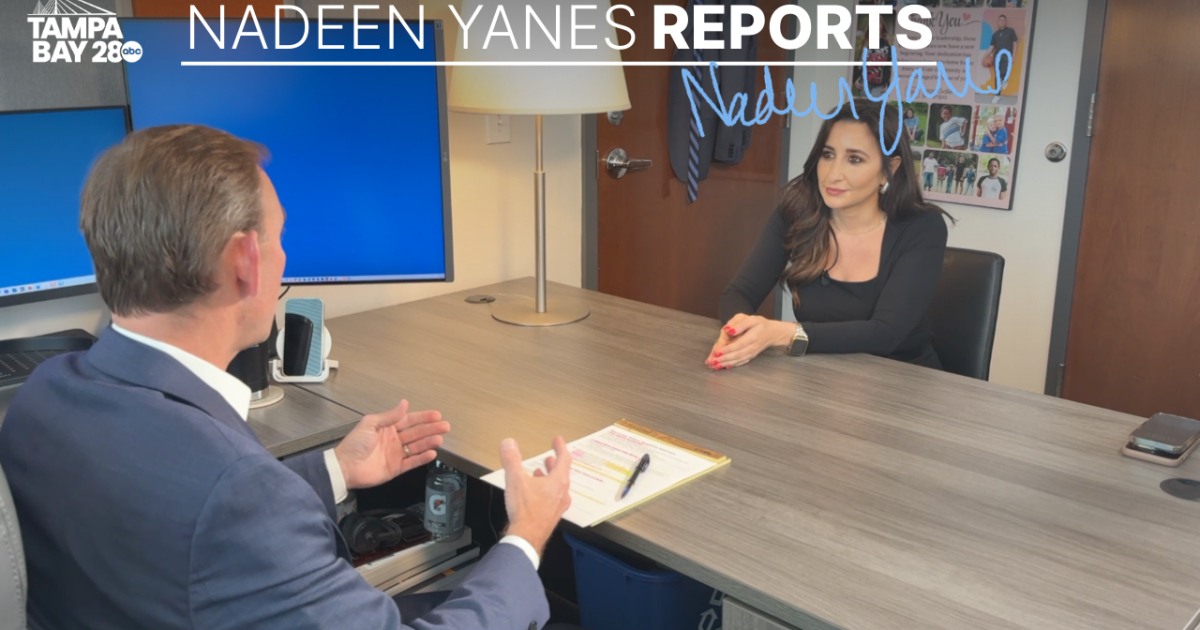
That’s the mood in a segment buzzing about South Florida realtors fielding calls from New Yorkers bracing for a potential political shift up north. The clip centers on a Financial Times story about Miami developers pitching “safe spaces” for millionaires if a self-described Democratic Socialist—referred to in the segment as Zoran Mandani—wins the NYC mayoral race. The worry list is familiar: higher taxes, looser criminal enforcement, and a new policy mix that includes a rent freeze and free buses funded by a 2% tax increase on top earners. Meanwhile, Florida’s pitch is the same as always: sunshine, zero state income tax, and a developer on every corner who swears, trust me, this glass tower will change your life.
Here’s what jumped out, beyond the palm trees and punchlines.
First, the safety-and-tax two-step is back. One voice in the segment says plainly: taxes move money; crime moves families. That lands. Years ago, a neighbor on my block had a break-in and I couldn’t sleep for a week—suddenly, the “vibe” of a neighborhood became as real as the rent. People love a city until they don’t feel safe walking the dog. Add a video clip of the candidate challenging what counts as “violent crime,” and the reaction isn’t academic; it’s visceral.
Second, the migration math got spicy. One panelist dropped a vivid stat: roughly 220,000 homes for sale in Florida versus 385,000 millionaires in New York. Not exactly one-to-one, but the point stands—if even a sliver of high earners decamp, pressure builds fast. Another person argued rate cuts will toss gasoline on prices because, well, they usually do. A counterpoint came fast: rising home values aren’t the villain for the two-thirds of Americans who already own—home equity is how a lot of ordinary families build wealth. That’s not theory; it’s how my first condo turned into the down payment that got me out of the “apartment with a view of a brick wall” phase of life.
Still, affordability is not a Twitter myth. The median age of first-time buyers creeping from 32–33 to around 40 is a loud alarm. The segment boiled the path forward into three levers:
Prices fall (ugly for lending, ugly for psychology).
Rates fall (great until prices pop again).
Time does its slow work (incomes rise, even if unevenly).
The “time” argument included a useful nuance: buyers don’t spend 100% of income on housing, so income growth can outpace affordability stress even if it looks flat on paper. Fair. But tell that to a couple touring a $1 million “starter” in Miami that used to be a cute bungalow and is now a concrete bunker with “character.” Time helps; it doesn’t hand over keys.
There was also an old-but-telling migration tale: U-Haul once paying students to drive trucks back to California because too many were heading to Texas one-way. When truck logistics get weird, people are moving. The panel’s thesis is similar: if New York changes quickly—especially on taxes and enforcement—expect a “first wave” south. And they weren’t just calling for hedge funders; they want roofers, HVAC owners, window retrofitting crews—the unglamorous backbone that every growth market needs. Miami loves a DJ, but roofs, not remixes, make a city livable.
So does this all add up to a Miami surge? Short-term, maybe stabilization with a nudge up. Inventory is healthier than during the pandemic rush, and cranes are still doing crane things. But demand from high earners arrives like a tide: slow, then suddenly. If rates drop and the policy gap between the cities widens, the waterline moves higher.
A word on the “safe space for millionaires” framing: it’s cheeky branding, but the subtext is broader than the top 1%. When a city signals “we’re changing the rules,” the first movers tend to be those with options. The second movers are the jobs that follow them. The third movers are the people who just want a predictable school year and a commute that doesn’t require carrying pepper spray. That’s not ideology; that’s how migration waves have always worked.
Personal reality check: the grass isn’t automatically greener—sometimes it’s Astroturf. Taxes go down in Florida; insurance goes up. Sunshine is free; shade is not. A friend who left Brooklyn for Brickell swears his serotonin levels quadrupled—then his HOA fees did, too. Even so, I get the calculus. Quality of life is a composite score, and for a lot of families, certainty outranks nostalgia.
Curious how this plays out on the ground:
New Yorkers contemplating a move—what’s the tipping point: policy, safety, or price?
South Floridians—seeing a pick-up in out-of-state buyers again, or is it just inbox noise?
First-time buyers in either market—what’s the real blocker right now: rates, inventory, or runway for saving?
If the past few years proved anything, it’s that real estate is never just about real estate. It’s where politics, psychology, and personal safety intersect—with U-Hauls idling at the curb.
Getting licensed or staying ahead in your career can be a journey—but it doesn’t have to be overwhelming. Grab your favorite coffee or tea, take a moment to relax, and browse through our articles. Whether you’re just starting out or renewing your expertise, we’ve got tips, insights, and advice to keep you moving forward. Here’s to your success—one sip and one step at a time!
Cameron Academy's state-approved 63-hour Florida Real Estate Sales Associate Pre-License Course begins April 13, 2026 at the Dr. Phillips campus in Orlando. Attend in person or join live via Zoom. Morning schedule, expert instruction, and only 14 seats remaining. Enroll now before this class fills up.
The Florida real estate licensing exam is the single biggest gatekeeper between you and a career in one of the nation's most active real estate markets. And the numbers don't sugarcoat it: roughly half of all first-time test-takers in Florida walk out without a passing score. According to data compiled by Colibri Real Estate, Florida's first-time pass rate sits at approximately 51%, with about 41,900 candidates taking the exam each year.
Part-Time vs. Full-Time: Can You Get Your Real Estate License While Working a 9‑to‑5? The honest, data-backed guide to earning your license around a day #ReadMore
Florida’s 2026 legislative session brought significant victories for real estate professionals, with Realtor advocacy preserving key regulatory structures, strengthening property rights, improving major housing programs, and protecting agents from new liabilities. From blocking the dismantling of the Florida Real Estate Commission to advancing bills that support safer, more transparent transactions, these wins shape a more stable future for Florida agents, brokers, and consumers.
AI‑enhanced listing images are transforming real estate marketing, but they’re also creating a growing trust problem. Tools that once simply brightened rooms can now erase damage, add furniture, or even generate entirely new scenes, fueling a trend known as “housefishing.” As complaints rise and states like California introduce disclosure laws, the industry is being forced to confront a new reality: the more perfect the photos get, the more renters and buyers crave authenticity.
Florida homeowners hit by Hurricane Milton face an important April 9 deadline to file or reopen supplemental insurance claims. With more than 385,000 claims and over 5.6 billion dollars in losses already reported, experts warn that waiting until construction is completed could leave families without the additional funds they’re owed. An 18‑month window applies to supplemental claims, and missing it could cause insurance companies to deny further reimbursement.