Cape Coral’s Housing Market Hits Buyer-Friendly Territory as Homes Sit 119 Days
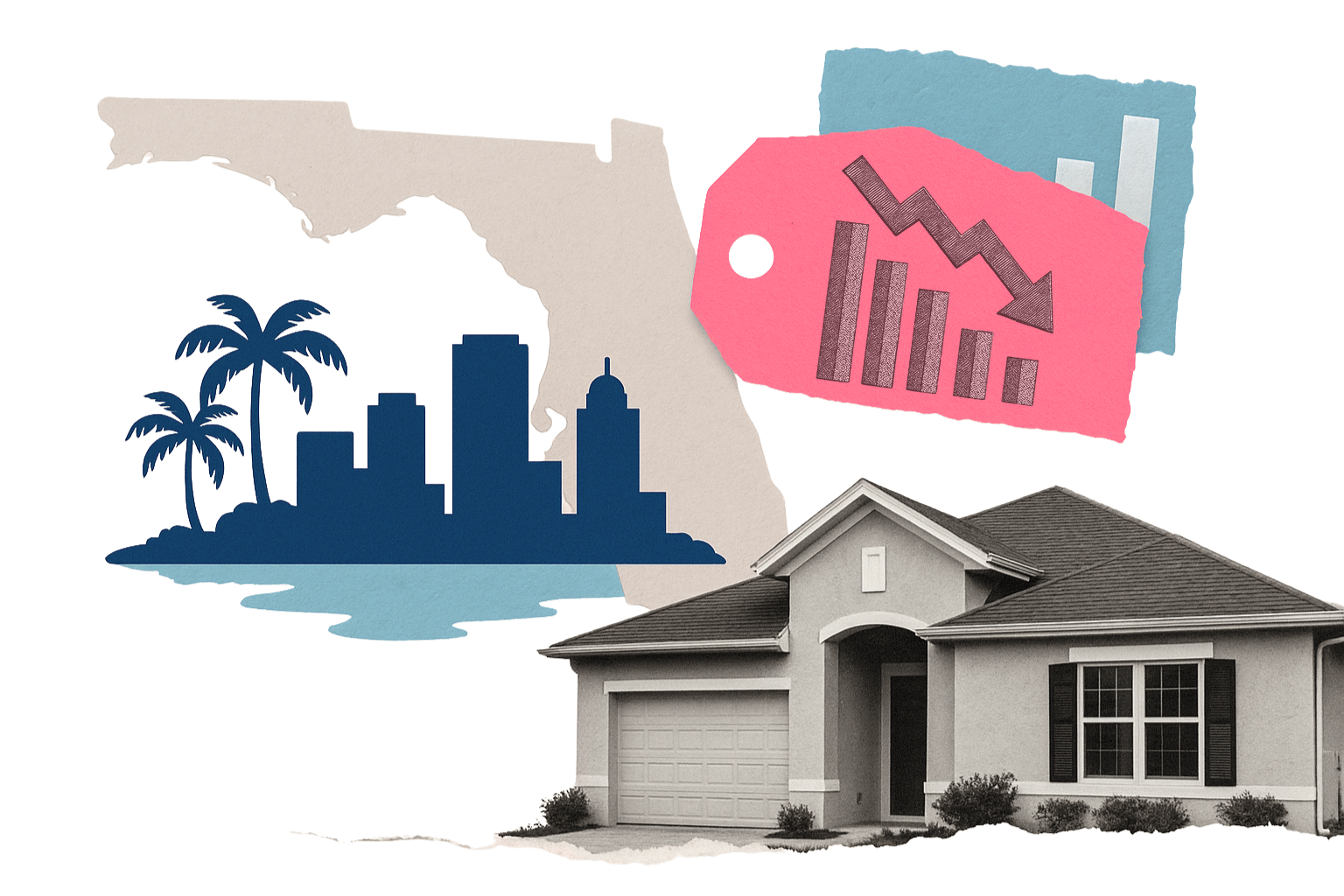
Florida housing market illustration

The Cape Coral–Fort Myers housing market has officially shifted into buyer-favorable territory, with homes now taking a median 119 days to sell—far slower than Florida’s 98‑day median and significantly behind the national pace of 77 days. Fresh data from HousingWire confirms that this prolonged time on market signals a meaningful regional cooling that buyers and real estate professionals should watch closely.

Inventory Rises, Buyers Gain Leverage

The metro currently holds 7,910 active listings and 4.6 months of supply—noticeably higher than Florida’s 3.3 months and the U.S. average of 2.7 months. More inventory equals more negotiating power for buyers.

Even though 369 new homes hit the market this week and 444 were absorbed, accumulated inventory from previous months remains elevated, maintaining buyer-friendly conditions.

Market Snapshot at a Glance

  • 119 days median on market
  • 4.6 months of housing supply
  • 36.9% listings with price reductions
  • Median list price: $454,000

Price Reductions Reflect a Market Reset

A notable 36.9% of active listings dropped their asking prices last week, while only 1.6% increased them. The current median list price sits at $454,000—about 6.4% below the statewide median.

Interestingly, price per square foot sits nearly equal to Florida’s average ($251.7 vs. $250.5), indicating that the region’s homes maintain intrinsic value even amid price adjustments.

A Region Moving Differently Than the Rest of Florida

Cape Coral–Fort Myers stands apart from statewide patterns. Homes take nearly three extra weeks to sell compared to Florida’s median, and inventory provides far more breathing room. Compared to national trends, the divide is even more dramatic.

The data suggests a market easing out of the fast-paced frenzy of previous years, allowing buyers to move more deliberately and negotiate more assertively.

What Buyers and Sellers Should Watch

Professionals should monitor a few crucial indicators:

  • The 119-day time-on-market trend.
  • Price reduction frequency—now at 36.9%.
  • Absorption vs. new listings—currently favoring absorption.

For buyers, the moment is advantageous: more choices, slower timelines, and pricing flexibility. For sellers, strategic pricing and patience are key.

Cameron Academy’s Take

For Florida real estate students and professionals training with Cameron Academy, this market serves as a real-world case study in inventory cycles, absorption rates, and pricing trends. Our Florida real estate courses prepare you to analyze markets exactly like this—giving you confidence and expertise in shifting conditions.

Explore the Source and Go Deeper

This analysis draws from original reporting and data by HousingWire. Explore the full article here:

Read the full HousingWire market analysis

Interested in building your own custom market report?

Try HousingWire’s market report generator

Enterprise users can also explore premium data tools:

Visit HW Data Enterprise

More Articles

Getting licensed or staying ahead in your career can be a journey—but it doesn’t have to be overwhelming. Grab your favorite coffee or tea, take a moment to relax, and browse through our articles. Whether you’re just starting out or renewing your expertise, we’ve got tips, insights, and advice to keep you moving forward. Here’s to your success—one sip and one step at a time!

Florida Real Estate Pre-License Class Starting April 13, 2026 – Only 9 Seats Left | Cameron Academy Orlando

Cameron Academy's state-approved 63-hour Florida Real Estate Sales Associate Pre-License Course begins April 13, 2026 at the Dr. Phillips campus in Orlando. Attend in person or join live via Zoom. Morning schedule, expert instruction, and only 14 seats remaining. Enroll now before this class fills up.

How to Pass the Florida Real Estate Exam on Your First Try (From People Who Did It – With Videos)

The Florida real estate licensing exam is the single biggest gatekeeper between you and a career in one of the nation's most active real estate markets. And the numbers don't sugarcoat it: roughly half of all first-time test-takers in Florida walk out without a passing score. According to data compiled by Colibri Real Estate, Florida's first-time pass rate sits at approximately 51%, with about 41,900 candidates taking the exam each year.

By |March 20, 2026|Categories: Article, Cameron Academy Post|0 Comments

Part-Time vs. Full-Time: Can You Get Your Real Estate License While Working a 9-to-5?

Part-Time vs. Full-Time: Can You Get Your Real Estate License While Working a 9‑to‑5? The honest, data-backed guide to earning your license around a day #ReadMore

By |March 19, 2026|Categories: Article, Cameron Academy Post|0 Comments

Realtor Advocacy Secures Major Wins in Florida’s 2026 Legislative Session

Florida’s 2026 legislative session brought significant victories for real estate professionals, with Realtor advocacy preserving key regulatory structures, strengthening property rights, improving major housing programs, and protecting agents from new liabilities. From blocking the dismantling of the Florida Real Estate Commission to advancing bills that support safer, more transparent transactions, these wins shape a more stable future for Florida agents, brokers, and consumers.

AI Listing Photos Are Becoming Too Real — And Too Misleading

AI‑enhanced listing images are transforming real estate marketing, but they’re also creating a growing trust problem. Tools that once simply brightened rooms can now erase damage, add furniture, or even generate entirely new scenes, fueling a trend known as “housefishing.” As complaints rise and states like California introduce disclosure laws, the industry is being forced to confront a new reality: the more perfect the photos get, the more renters and buyers crave authenticity.

Hurricane Milton Supplemental Claim Deadline Approaches for Florida Homeowners

Florida homeowners hit by Hurricane Milton face an important April 9 deadline to file or reopen supplemental insurance claims. With more than 385,000 claims and over 5.6 billion dollars in losses already reported, experts warn that waiting until construction is completed could leave families without the additional funds they’re owed. An 18‑month window applies to supplemental claims, and missing it could cause insurance companies to deny further reimbursement.