Florida’s Property Insurance Battle Heats Up: A 2026 Showdown in the Making
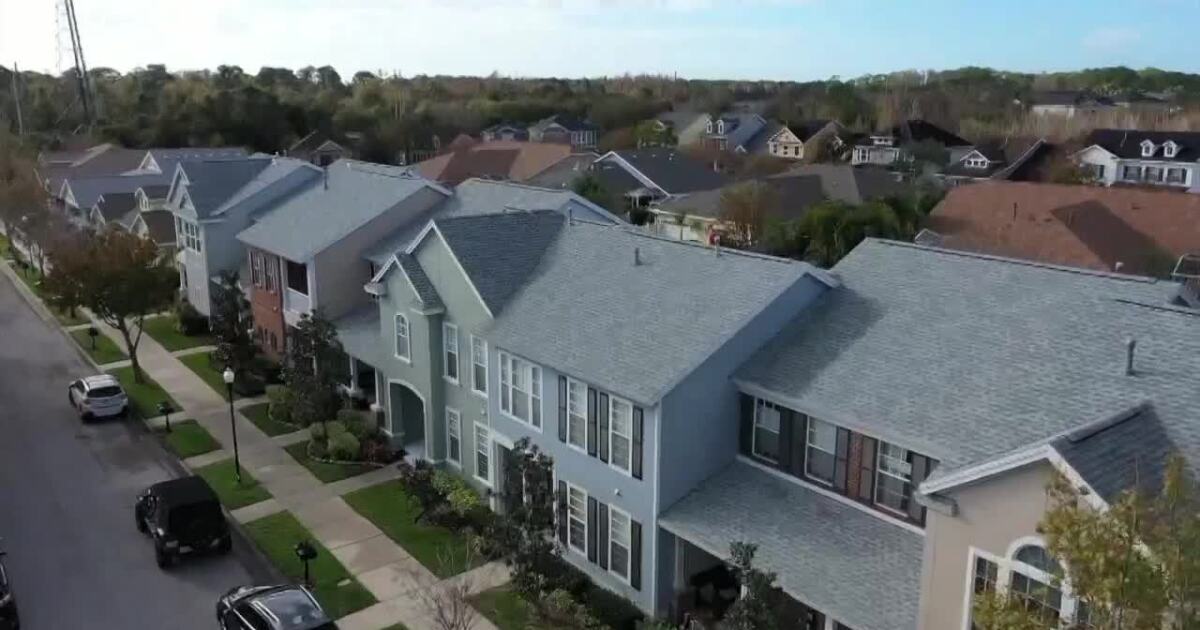
Florida neighborhood aerial view

Florida’s political and economic landscape is shifting again—this time around the soaring cost of property and auto insurance. As homeowners continue tightening budgets, state leaders are preparing for what is shaping into a defining affordability showdown ahead of the 2026 elections.

Two Competing Visions for Florida’s Insurance Future

State Republicans argue the system is finally stabilizing thanks to litigation and fraud reforms enacted over several years. According to Florida CFO Blaise Ingoglia, measurable improvements are already emerging.

“Clearly the reforms are working,” Ingoglia said, referencing shifts in the auto insurance market—including Progressive returning $1 billion in excess profits and State Farm lowering rates by 10%.

Ingoglia maintains that homeowners will soon feel relief as insurers re-enter the state and reinsurance costs trend downward. His message: stay patient—help is coming.

Democrats: “Families Can’t Wait”

Florida Democrats disagree, calling the optimism premature. They point to a worsening affordability crisis marked by some of the highest property and auto insurance premiums in the U.S.

Senate Minority Leader Lori Berman emphasized that many Floridians are struggling to remain in their homes purely due to insurance expenses. Supporting data paints a concerning picture—Realtor.com reports condo prices have dropped over 8% statewide, primarily because of rising HOA fees and post‑Surfside insurance spikes.

Florida now ranks as the most expensive auto insurance state in the nation, with annual averages above $4,100 according to Bankrate.

House Minority Leader Fentrice Driskell says Democrats plan to push for aggressive reforms, including rate‑hike caps, stronger storm‑hardening incentives, and more transparency across insurers.

A Defining Issue for 2026

The battle over Florida’s insurance market has evolved from a policy debate into one of the central issues leading into the 2026 legislative session and statewide elections. With homeowners anxious and condo associations stretched thin, decisions made in the coming months will shape Florida’s affordability for years.

Lawmakers reconvene in Tallahassee on January 13, where insurance reform is expected to dominate the agenda.

For continued updates, expert analysis, and deeper insight into Florida’s insurance landscape, explore the full original report at WPTV.

And if you’re navigating Florida’s evolving real estate market—whether earning your license, renewing your credentials, or leveling up your professional edge—Cameron Academy provides flexible, state‑approved programs designed to help you stay ahead in a transforming industry.


More Articles

Getting licensed or staying ahead in your career can be a journey—but it doesn’t have to be overwhelming. Grab your favorite coffee or tea, take a moment to relax, and browse through our articles. Whether you’re just starting out or renewing your expertise, we’ve got tips, insights, and advice to keep you moving forward. Here’s to your success—one sip and one step at a time!

Florida Real Estate Pre-License Class Starting April 13, 2026 – Only 9 Seats Left | Cameron Academy Orlando

Cameron Academy's state-approved 63-hour Florida Real Estate Sales Associate Pre-License Course begins April 13, 2026 at the Dr. Phillips campus in Orlando. Attend in person or join live via Zoom. Morning schedule, expert instruction, and only 14 seats remaining. Enroll now before this class fills up.

How to Pass the Florida Real Estate Exam on Your First Try (From People Who Did It – With Videos)

The Florida real estate licensing exam is the single biggest gatekeeper between you and a career in one of the nation's most active real estate markets. And the numbers don't sugarcoat it: roughly half of all first-time test-takers in Florida walk out without a passing score. According to data compiled by Colibri Real Estate, Florida's first-time pass rate sits at approximately 51%, with about 41,900 candidates taking the exam each year.

By |March 20, 2026|Categories: Article, Cameron Academy Post|0 Comments

Part-Time vs. Full-Time: Can You Get Your Real Estate License While Working a 9-to-5?

Part-Time vs. Full-Time: Can You Get Your Real Estate License While Working a 9‑to‑5? The honest, data-backed guide to earning your license around a day #ReadMore

By |March 19, 2026|Categories: Article, Cameron Academy Post|0 Comments

Realtor Advocacy Secures Major Wins in Florida’s 2026 Legislative Session

Florida’s 2026 legislative session brought significant victories for real estate professionals, with Realtor advocacy preserving key regulatory structures, strengthening property rights, improving major housing programs, and protecting agents from new liabilities. From blocking the dismantling of the Florida Real Estate Commission to advancing bills that support safer, more transparent transactions, these wins shape a more stable future for Florida agents, brokers, and consumers.

AI Listing Photos Are Becoming Too Real — And Too Misleading

AI‑enhanced listing images are transforming real estate marketing, but they’re also creating a growing trust problem. Tools that once simply brightened rooms can now erase damage, add furniture, or even generate entirely new scenes, fueling a trend known as “housefishing.” As complaints rise and states like California introduce disclosure laws, the industry is being forced to confront a new reality: the more perfect the photos get, the more renters and buyers crave authenticity.

Hurricane Milton Supplemental Claim Deadline Approaches for Florida Homeowners

Florida homeowners hit by Hurricane Milton face an important April 9 deadline to file or reopen supplemental insurance claims. With more than 385,000 claims and over 5.6 billion dollars in losses already reported, experts warn that waiting until construction is completed could leave families without the additional funds they’re owed. An 18‑month window applies to supplemental claims, and missing it could cause insurance companies to deny further reimbursement.