FEMA & NJDEP Release Revised Flood Maps for Morris County: What Homeowners and Professionals Need to Know
Flood zones across the U.S. are shifting—and if you own property, sell real estate, insure homes, or originate mortgages in New Jersey, the latest update from the New Jersey Department of Environmental Protection (NJDEP) and the Federal Emergency Management Agency (FEMA) deserves your full attention.
The agencies have released revised preliminary Flood Insurance Rate Maps (FIRMs) and an updated Flood Insurance Study for Morris County. These updates help determine which areas face elevated flood risk—directly impacting insurance requirements, real estate values, building regulations, and long‑term planning.
Why This Matters for Homeowners and Real Estate Professionals
Updated flood maps can change everything from the cost of living in a particular neighborhood to the complexity of closing a real estate transaction. A property shifting into a higher‑risk zone may require mandatory flood insurance, potentially increasing monthly costs for buyers or current owners. Conversely, properties moving out of high‑risk zones may enjoy lower premiums.
For real estate professionals—particularly those in New Jersey—understanding the implications of revised FIRMs is essential. Buyers and sellers will be asking questions, and informed guidance can turn uncertainty into trust. This is where continued education through institutions like Cameron Academy becomes invaluable for agents who want to stay ahead of market‑shaping regulatory changes.
What Happens Next?
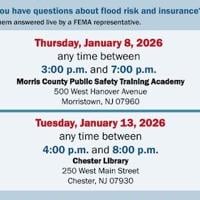
When FEMA releases preliminary maps, local governments and residents typically have opportunities to review and appeal them before they are finalized. Morris County communities will likely see public information sessions and ongoing communication from state and federal agencies as the process moves forward.
Staying informed now helps prevent costly surprises later—especially for professionals guiding buyers, sellers, and investors through complex risk assessments.
For now, professionals in insurance, lending, and real estate should familiarize themselves with the revised map areas and prepare clients for potential changes in risk classification.
Staying informed is a professional advantage—especially in fields where regulations and risk assessments evolve rapidly. Cameron Academy remains committed to helping professionals across real estate, insurance, mortgage, and additional licensed sectors stay confidently ahead of the industry curve.
Getting licensed or staying ahead in your career can be a journey—but it doesn’t have to be overwhelming. Grab your favorite coffee or tea, take a moment to relax, and browse through our articles. Whether you’re just starting out or renewing your expertise, we’ve got tips, insights, and advice to keep you moving forward. Here’s to your success—one sip and one step at a time!
Cameron Academy's state-approved 63-hour Florida Real Estate Sales Associate Pre-License Course begins April 13, 2026 at the Dr. Phillips campus in Orlando. Attend in person or join live via Zoom. Morning schedule, expert instruction, and only 14 seats remaining. Enroll now before this class fills up.
The Florida real estate licensing exam is the single biggest gatekeeper between you and a career in one of the nation's most active real estate markets. And the numbers don't sugarcoat it: roughly half of all first-time test-takers in Florida walk out without a passing score. According to data compiled by Colibri Real Estate, Florida's first-time pass rate sits at approximately 51%, with about 41,900 candidates taking the exam each year.
Part-Time vs. Full-Time: Can You Get Your Real Estate License While Working a 9‑to‑5? The honest, data-backed guide to earning your license around a day #ReadMore
Florida’s 2026 legislative session brought significant victories for real estate professionals, with Realtor advocacy preserving key regulatory structures, strengthening property rights, improving major housing programs, and protecting agents from new liabilities. From blocking the dismantling of the Florida Real Estate Commission to advancing bills that support safer, more transparent transactions, these wins shape a more stable future for Florida agents, brokers, and consumers.
AI‑enhanced listing images are transforming real estate marketing, but they’re also creating a growing trust problem. Tools that once simply brightened rooms can now erase damage, add furniture, or even generate entirely new scenes, fueling a trend known as “housefishing.” As complaints rise and states like California introduce disclosure laws, the industry is being forced to confront a new reality: the more perfect the photos get, the more renters and buyers crave authenticity.
Florida homeowners hit by Hurricane Milton face an important April 9 deadline to file or reopen supplemental insurance claims. With more than 385,000 claims and over 5.6 billion dollars in losses already reported, experts warn that waiting until construction is completed could leave families without the additional funds they’re owed. An 18‑month window applies to supplemental claims, and missing it could cause insurance companies to deny further reimbursement.