Why Your Insurance Bills Keep Rising Even as Florida Rates Fall

Home insurance paperwork

Florida homeowners finally received some long‑awaited relief: property insurance rates are leveling off — even decreasing — after years of storm losses and legal chaos. Yet many homeowners still open their mortgage statements only to find higher monthly payments. How can premiums rise when rates fall?

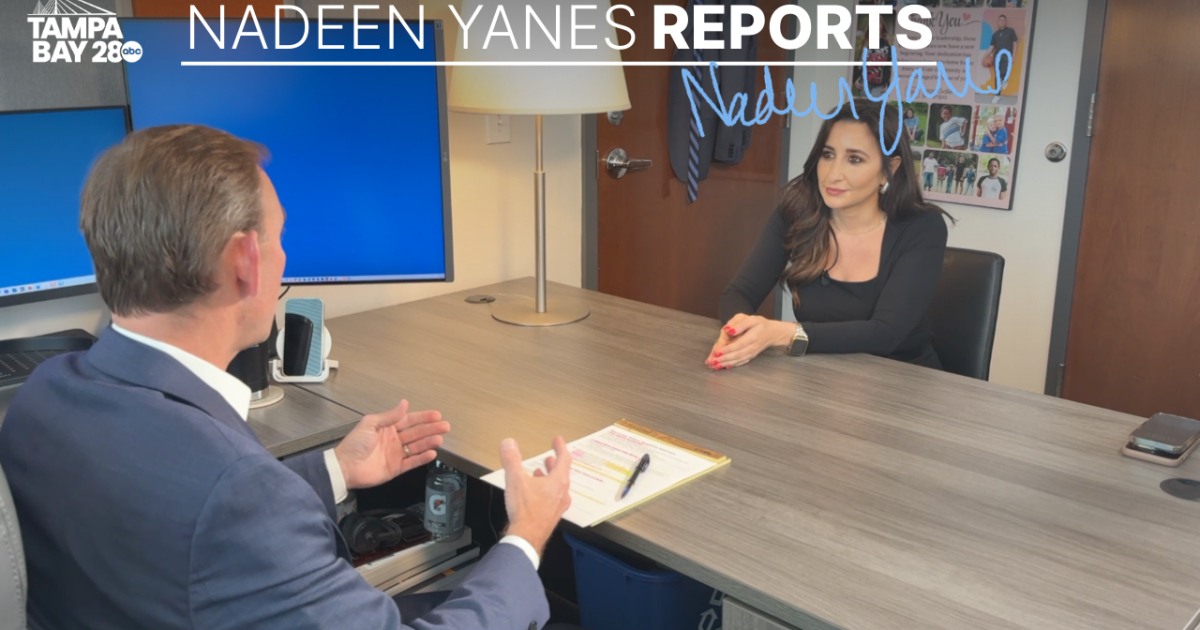
To unpack this puzzle, we look toward insights from John W. Rollins, CEO of Patriot Select Property & Casualty Insurance Company, who shared a powerful breakdown in a recent Sun Sentinel opinion piece.

Read the original Sun Sentinel article

The Big Disconnect: Rates vs. Premiums

Insurance “rates” refer to the cost per $1,000 of insured home value. “Premiums” are what you actually pay. Even if rates fall, your premium can still increase when your home’s replacement cost rises.

And rise they certainly have. Florida’s construction costs, labor shortages, inflation, and soaring home values pushed replacement costs significantly higher. Rollins notes that since mid‑2022, replacement values have accounted for nearly 75% of all premium increases.

Florida’s average rates per $1,000 rose 12% before dropping — but premiums jumped 34%. The real pressure comes from rising property values, not insurance companies raising rates without cause.

What Homeowners Can Do Right Now

1. Shop Around

Florida has welcomed 17 new property insurers since 2023. Competition is growing — but you’ll only benefit if you compare options.

2. Recheck Your Replacement Value

Insurers often apply automatic “inflation guard” increases. Request a recalculation at renewal; in many cases, homeowners discover they’re over‑insured.

3. Update Your Risk Profile

A new roof, impact windows, or even improved credit can earn discounts. Many homeowners qualify for savings they haven’t been offered.

4. Consider Adjusting Your Deductibles

Higher deductibles can reduce premiums — but they increase what you’d pay out of pocket. Make sure the trade‑off fits your financial comfort zone.

A Better Future for Florida Insurance

For the first time in a decade, Florida’s property insurance landscape is genuinely improving. Litigation has dropped, fraud is declining, reinsurance strains are easing, and insurers are beginning to reduce rates faster than construction inflation rises.

For real estate professionals, mortgage specialists, and insurance agents, this shift is crucial. Homebuyers are asking more questions than ever. Sellers worry about affordability. Clients depend on trained professionals who can explain these changing dynamics clearly.

That’s why institutions like Cameron Academy matter. Whether you’re stepping into Florida real estate, pursuing insurance licensing, or expanding your credentials into finance or other fields, staying educated gives you the power to guide clients confidently through a rapidly changing market.

Insights courtesy of John W. Rollins, CEO of Patriot Select Property & Casualty Insurance Company and credentialed actuary.


More Articles

Getting licensed or staying ahead in your career can be a journey—but it doesn’t have to be overwhelming. Grab your favorite coffee or tea, take a moment to relax, and browse through our articles. Whether you’re just starting out or renewing your expertise, we’ve got tips, insights, and advice to keep you moving forward. Here’s to your success—one sip and one step at a time!

Florida Real Estate Pre-License Class Starting April 13, 2026 – Only 9 Seats Left | Cameron Academy Orlando

Cameron Academy's state-approved 63-hour Florida Real Estate Sales Associate Pre-License Course begins April 13, 2026 at the Dr. Phillips campus in Orlando. Attend in person or join live via Zoom. Morning schedule, expert instruction, and only 14 seats remaining. Enroll now before this class fills up.

How to Pass the Florida Real Estate Exam on Your First Try (From People Who Did It – With Videos)

The Florida real estate licensing exam is the single biggest gatekeeper between you and a career in one of the nation's most active real estate markets. And the numbers don't sugarcoat it: roughly half of all first-time test-takers in Florida walk out without a passing score. According to data compiled by Colibri Real Estate, Florida's first-time pass rate sits at approximately 51%, with about 41,900 candidates taking the exam each year.

By |March 20, 2026|Categories: Article, Cameron Academy Post|0 Comments

Part-Time vs. Full-Time: Can You Get Your Real Estate License While Working a 9-to-5?

Part-Time vs. Full-Time: Can You Get Your Real Estate License While Working a 9‑to‑5? The honest, data-backed guide to earning your license around a day #ReadMore

By |March 19, 2026|Categories: Article, Cameron Academy Post|0 Comments

Realtor Advocacy Secures Major Wins in Florida’s 2026 Legislative Session

Florida’s 2026 legislative session brought significant victories for real estate professionals, with Realtor advocacy preserving key regulatory structures, strengthening property rights, improving major housing programs, and protecting agents from new liabilities. From blocking the dismantling of the Florida Real Estate Commission to advancing bills that support safer, more transparent transactions, these wins shape a more stable future for Florida agents, brokers, and consumers.

AI Listing Photos Are Becoming Too Real — And Too Misleading

AI‑enhanced listing images are transforming real estate marketing, but they’re also creating a growing trust problem. Tools that once simply brightened rooms can now erase damage, add furniture, or even generate entirely new scenes, fueling a trend known as “housefishing.” As complaints rise and states like California introduce disclosure laws, the industry is being forced to confront a new reality: the more perfect the photos get, the more renters and buyers crave authenticity.

Hurricane Milton Supplemental Claim Deadline Approaches for Florida Homeowners

Florida homeowners hit by Hurricane Milton face an important April 9 deadline to file or reopen supplemental insurance claims. With more than 385,000 claims and over 5.6 billion dollars in losses already reported, experts warn that waiting until construction is completed could leave families without the additional funds they’re owed. An 18‑month window applies to supplemental claims, and missing it could cause insurance companies to deny further reimbursement.