Why Mortgage Rates Just Hit Their Lowest Level Since 2024
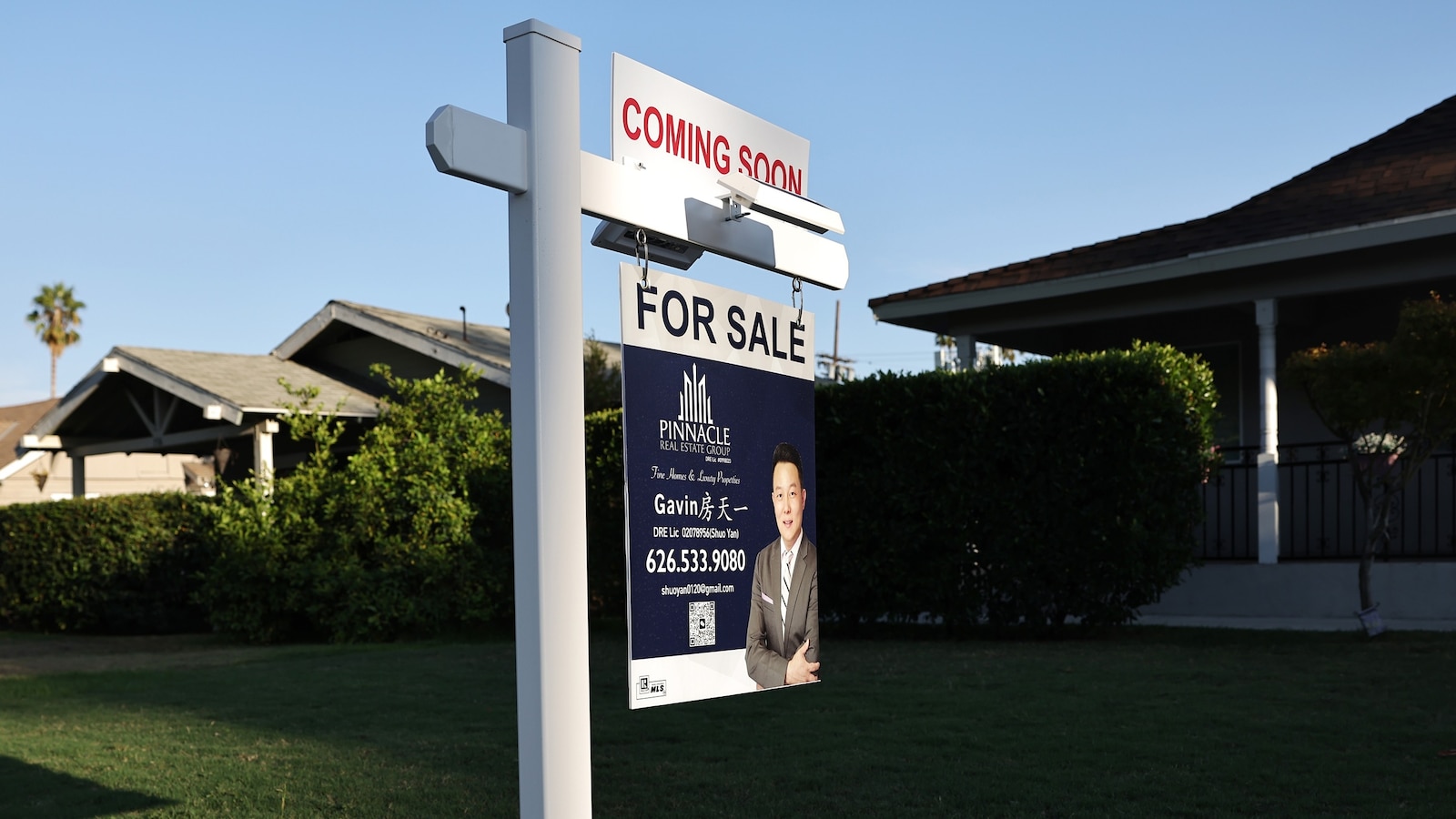
Home for sale with sign

Homebuyers kicking off 2026 with a fresh search may finally be catching a break: mortgage rates have fallen to their lowest level in 15 months, signaling a potential thaw in what has been one of the most challenging housing markets in years.

The average interest rate on a 30-year fixed mortgage now sits around 6.12% to 6.15%, according to data from Freddie Mac. That’s a meaningful drop from nearly 7% earlier in 2025 and significantly lower than the 7%+ levels seen just last year.

Even a single percentage point drop can save homeowners thousands—or tens of thousands—over the life of a loan, according to Rocket Mortgage.

Why Are Rates Falling Now?

Mortgage rates follow the 10-year Treasury yield, which reacts directly to expectations about Federal Reserve policy. Throughout late 2025, weak hiring data and concerns about economic cooling increased expectations that the Fed would begin easing.

The Fed ultimately cut rates three times starting in September, dropping the benchmark rate into the 3.5%–3.75% range. While far from the near-zero rates of the pandemic era, the cuts have helped pull mortgage rates lower.

Still, Fed Chair Jerome Powell has signaled a cautious approach ahead, hinting at a “wait and see” stance heading into early 2026.

But Will Lower Rates Fix the Housing Market?

Not completely. Many homeowners remain locked into ultra-low pandemic-era rates—some below 3%—making them reluctant to sell. This ongoing lock-in effect is still choking supply.

The result: even as borrowing costs ease, inventory remains tight and prices stay elevated.

Trending Market Signals

• Job growth is slowing, nudging unemployment to its highest point in several years (though still relatively low).
• GDP unexpectedly surged to 4.3% in Q3, complicating recession expectations.
• Futures markets anticipate at least two more Fed cuts in 2026, with the first expected around April.
• Redfin predicts mortgage rates will hover in the low 6% range for most of the year.

What Homebuyers Should Expect in 2026

Rates may occasionally dip below 6%, but Redfin expects they won’t stay there for long. Inflation uncertainties and a potentially stabilizing economy could limit how aggressively the Fed continues to ease.

Still, with rates now at their lowest level since 2024, many previously sidelined buyers may find 2026 a promising window—especially if inventory improves later in the year.

Professionals: Stay Ahead of the Market

For real estate agents, mortgage specialists, or professionals expanding their presence in the housing economy, understanding rate movements is no longer optional—it’s essential. If you’re building credentials or stepping into a new phase of your career, Cameron Academy provides modern, flexible licensing education across real estate, mortgage, insurance, finance, and more.

As the market shifts, staying informed and educated isn’t just helpful—it’s your competitive advantage.


More Articles

Getting licensed or staying ahead in your career can be a journey—but it doesn’t have to be overwhelming. Grab your favorite coffee or tea, take a moment to relax, and browse through our articles. Whether you’re just starting out or renewing your expertise, we’ve got tips, insights, and advice to keep you moving forward. Here’s to your success—one sip and one step at a time!

Florida Real Estate Pre-License Class Starting April 13, 2026 – Only 9 Seats Left | Cameron Academy Orlando

Cameron Academy's state-approved 63-hour Florida Real Estate Sales Associate Pre-License Course begins April 13, 2026 at the Dr. Phillips campus in Orlando. Attend in person or join live via Zoom. Morning schedule, expert instruction, and only 14 seats remaining. Enroll now before this class fills up.

How to Pass the Florida Real Estate Exam on Your First Try (From People Who Did It – With Videos)

The Florida real estate licensing exam is the single biggest gatekeeper between you and a career in one of the nation's most active real estate markets. And the numbers don't sugarcoat it: roughly half of all first-time test-takers in Florida walk out without a passing score. According to data compiled by Colibri Real Estate, Florida's first-time pass rate sits at approximately 51%, with about 41,900 candidates taking the exam each year.

By |March 20, 2026|Categories: Article, Cameron Academy Post|0 Comments

Part-Time vs. Full-Time: Can You Get Your Real Estate License While Working a 9-to-5?

Part-Time vs. Full-Time: Can You Get Your Real Estate License While Working a 9‑to‑5? The honest, data-backed guide to earning your license around a day #ReadMore

By |March 19, 2026|Categories: Article, Cameron Academy Post|0 Comments

Realtor Advocacy Secures Major Wins in Florida’s 2026 Legislative Session

Florida’s 2026 legislative session brought significant victories for real estate professionals, with Realtor advocacy preserving key regulatory structures, strengthening property rights, improving major housing programs, and protecting agents from new liabilities. From blocking the dismantling of the Florida Real Estate Commission to advancing bills that support safer, more transparent transactions, these wins shape a more stable future for Florida agents, brokers, and consumers.

AI Listing Photos Are Becoming Too Real — And Too Misleading

AI‑enhanced listing images are transforming real estate marketing, but they’re also creating a growing trust problem. Tools that once simply brightened rooms can now erase damage, add furniture, or even generate entirely new scenes, fueling a trend known as “housefishing.” As complaints rise and states like California introduce disclosure laws, the industry is being forced to confront a new reality: the more perfect the photos get, the more renters and buyers crave authenticity.

Hurricane Milton Supplemental Claim Deadline Approaches for Florida Homeowners

Florida homeowners hit by Hurricane Milton face an important April 9 deadline to file or reopen supplemental insurance claims. With more than 385,000 claims and over 5.6 billion dollars in losses already reported, experts warn that waiting until construction is completed could leave families without the additional funds they’re owed. An 18‑month window applies to supplemental claims, and missing it could cause insurance companies to deny further reimbursement.