Florida’s Home Insurance Market Sees Optimism in 2026: What Professionals Need to Know
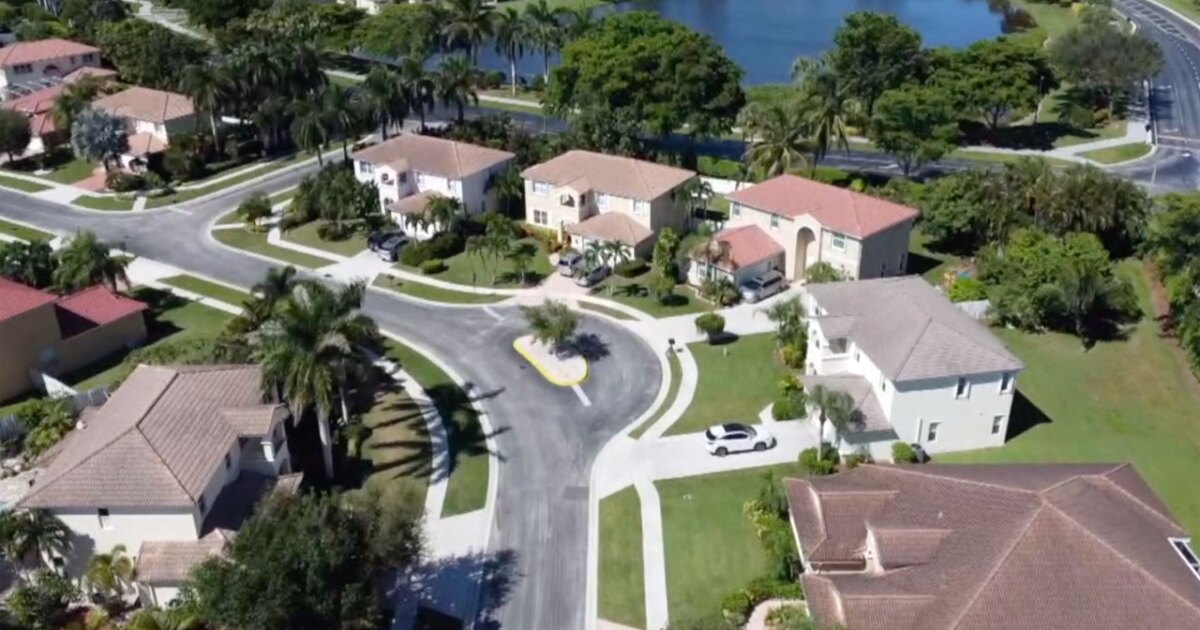
As Florida steps boldly into a new year, an unexpected wave of optimism is emerging across the state’s home insurance market. Industry leaders say the reforms introduced three years ago are finally producing tangible results—stability, competition, and even rate reductions. For real estate agents, mortgage specialists, insurance producers, and every professional navigating Florida’s property landscape, these developments could transform everyday business and long‑term strategy.
A Turning Point in Florida’s Insurance Climate
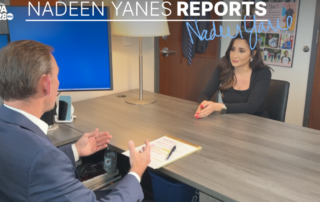
WPTV reporter Matt Sczesny recently spoke with Stacey Giulianti, Chief Legal Officer of
Windward Risk Managers, the parent company behind Florida Peninsula, Edison, and Ovation insurance companies.
According to Giulianti, the momentum may be even stronger than predicted.
“To be honest with you, I don’t think any of it is hype,” Giulianti told WPTV from the company’s Boca Raton headquarters. “I think it’s probably more positive than we ever could have imagined.”
Florida’s litigation reforms, implemented several years prior, are now showing measurable impact. Lawsuits have dropped dramatically, giving insurers room to stabilize financially and reevaluate rate strategies. As a result, some companies are freezing rate hikes—while others are starting to lower premiums altogether.
Rate Reductions and Rising Competition
One standout example is
Florida Peninsula Insurance
, recently recognized by Gov. Ron DeSantis for implementing a statewide average rate decrease of 8.2%—a major shift in a state where rising premiums have long dominated public frustration.
Florida Insurance Commissioner Michael Yaworsky further emphasized the positive momentum, noting that 17 new insurers have entered the state’s market. He reported that Florida’s solvency and capitalization strength is now “the strongest … in well over a decade,” signaling renewed confidence throughout the industry.
What This Means for Florida Professionals
For real estate agents, reduced volatility in insurance may lead to smoother closings, fewer last‑minute underwriting surprises, and stronger homebuyer confidence. Mortgage professionals may experience fewer deal delays, while insurance agents may benefit from improved product competition.
And for those training for or renewing their professional licenses, understanding these shifts is an invaluable edge. At Cameron Academy, staying informed is at the core of empowering professionals—whether you’re entering Florida real estate, expanding your insurance credentials, or elevating your career across mortgage, finance, or other licensed professions.
Share Your Experience
WPTV is asking residents whether they’ve seen actual changes in their premiums. If you’ve noticed reductions—or if things still feel uncertain—reporter Matt Sczesny would like to hear from you at
[email protected].
Getting licensed or staying ahead in your career can be a journey—but it doesn’t have to be overwhelming. Grab your favorite coffee or tea, take a moment to relax, and browse through our articles. Whether you’re just starting out or renewing your expertise, we’ve got tips, insights, and advice to keep you moving forward. Here’s to your success—one sip and one step at a time!
Cameron Academy's state-approved 63-hour Florida Real Estate Sales Associate Pre-License Course begins April 13, 2026 at the Dr. Phillips campus in Orlando. Attend in person or join live via Zoom. Morning schedule, expert instruction, and only 14 seats remaining. Enroll now before this class fills up.
The Florida real estate licensing exam is the single biggest gatekeeper between you and a career in one of the nation's most active real estate markets. And the numbers don't sugarcoat it: roughly half of all first-time test-takers in Florida walk out without a passing score. According to data compiled by Colibri Real Estate, Florida's first-time pass rate sits at approximately 51%, with about 41,900 candidates taking the exam each year.
Part-Time vs. Full-Time: Can You Get Your Real Estate License While Working a 9‑to‑5? The honest, data-backed guide to earning your license around a day #ReadMore
Florida’s 2026 legislative session brought significant victories for real estate professionals, with Realtor advocacy preserving key regulatory structures, strengthening property rights, improving major housing programs, and protecting agents from new liabilities. From blocking the dismantling of the Florida Real Estate Commission to advancing bills that support safer, more transparent transactions, these wins shape a more stable future for Florida agents, brokers, and consumers.
AI‑enhanced listing images are transforming real estate marketing, but they’re also creating a growing trust problem. Tools that once simply brightened rooms can now erase damage, add furniture, or even generate entirely new scenes, fueling a trend known as “housefishing.” As complaints rise and states like California introduce disclosure laws, the industry is being forced to confront a new reality: the more perfect the photos get, the more renters and buyers crave authenticity.
Florida homeowners hit by Hurricane Milton face an important April 9 deadline to file or reopen supplemental insurance claims. With more than 385,000 claims and over 5.6 billion dollars in losses already reported, experts warn that waiting until construction is completed could leave families without the additional funds they’re owed. An 18‑month window applies to supplemental claims, and missing it could cause insurance companies to deny further reimbursement.