The real estate world has officially stepped into its next evolution: the rise of the AI‑powered agent.
A groundbreaking report from HousingWire reveals how artificial intelligence shifted from novelty to daily essential for agents throughout 2025—almost overnight.
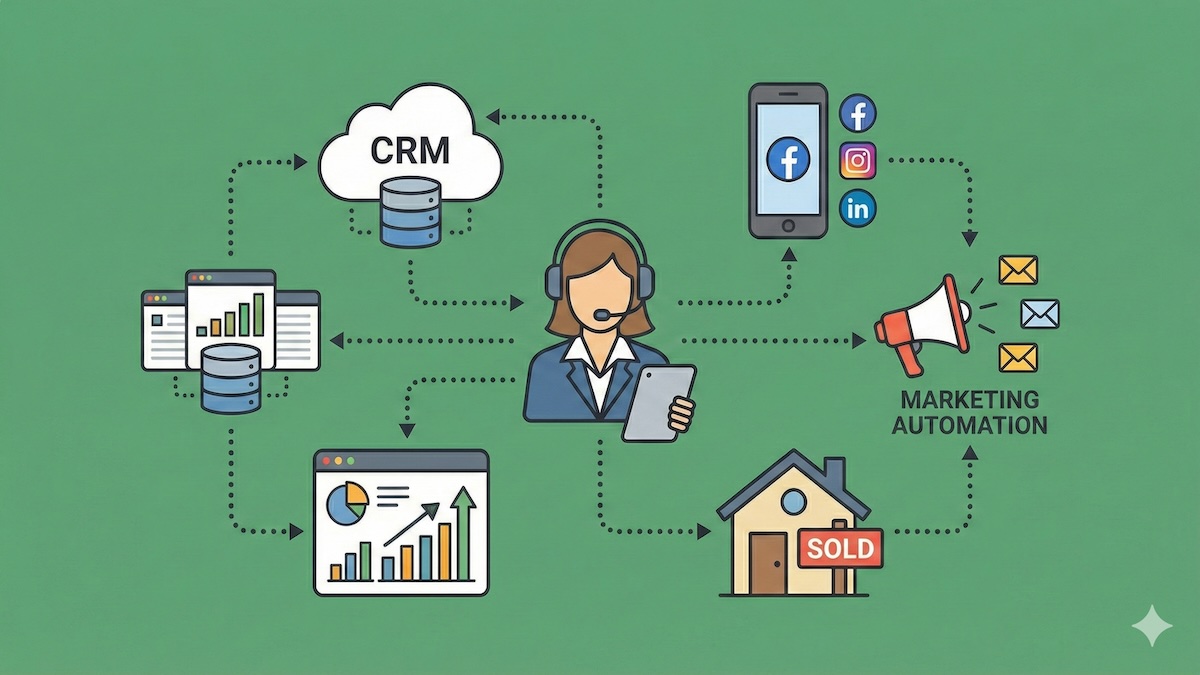
According to industry analysis by Rechat, brokerages across the nation spent the past year consolidating listings, CRMs, marketing tools, and analytics into unified AI‑enhanced platforms. The result? A smoother, faster, more tightly connected workflow—and a massive productivity lift for agents.
“After years of testing, the industry moved from experimenting with automation to operating with AI as an integral partner,” noted Rechat CEO Shayan Hamidi.
And the results have been nothing short of transformative.
Tasks that once took 10 hours now take 2 minutes.
Agents report up to 40% productivity growth.
Unified brokerages have doubled their marketing execution speed.
Efficiency Meets Personalization
Nearly half of surveyed agents now use AI daily—favoring tools that streamline workflows, ensure consistency, and support better decision‑making. By late 2025, nearly 70% had increased their marketing budgets, investing heavily in automation and analytics‑driven systems.
AI‑powered content engines allowed major brokerages like
SERHANT., Douglas Elliman, and 8z Real Estate to deliver highly personalized messaging at scale.
SERHANT. agents using Rechat reported a remarkable 32% increase in revenue.
Branding and design also surged in importance. Brokerages leaned on AI for layout optimization, compliance checks, and high-speed, high-quality content creation—giving teams a polished, unmistakable edge.
In 2025, 90% of AI investment centered on:
• Efficiency
• Insights
• Personalization
What’s Coming in 2026?
If 2025 was the year of automation, then 2026 will be the year of prediction.
The industry is transitioning from responding to market movement to anticipating it.
Rechat’s report forecasts a rise in AI dashboards that recommend next‑best actions, identify high‑value opportunities, and automatically tailor content based on user engagement.
By the end of 2026, top-performing agents are expected to operate almost entirely within these AI‑integrated ecosystems.
What This Means for Your Career
For both new and seasoned real estate professionals—especially in fast-paced markets like Florida—AI isn’t replacing agents. It’s elevating those who embrace it. Staying competitive now means staying sharp, informed, and technologically fluent.
At Cameron Academy, we’re committed to preparing professionals to excel in an AI‑enhanced future. Whether you’re earning your real estate license or advancing your CE, mastering the technologies shaping tomorrow’s marketplace has never mattered more.
Getting licensed or staying ahead in your career can be a journey—but it doesn’t have to be overwhelming. Grab your favorite coffee or tea, take a moment to relax, and browse through our articles. Whether you’re just starting out or renewing your expertise, we’ve got tips, insights, and advice to keep you moving forward. Here’s to your success—one sip and one step at a time!
Cameron Academy's state-approved 63-hour Florida Real Estate Sales Associate Pre-License Course begins April 13, 2026 at the Dr. Phillips campus in Orlando. Attend in person or join live via Zoom. Morning schedule, expert instruction, and only 14 seats remaining. Enroll now before this class fills up.
The Florida real estate licensing exam is the single biggest gatekeeper between you and a career in one of the nation's most active real estate markets. And the numbers don't sugarcoat it: roughly half of all first-time test-takers in Florida walk out without a passing score. According to data compiled by Colibri Real Estate, Florida's first-time pass rate sits at approximately 51%, with about 41,900 candidates taking the exam each year.
Part-Time vs. Full-Time: Can You Get Your Real Estate License While Working a 9‑to‑5? The honest, data-backed guide to earning your license around a day #ReadMore
Florida’s 2026 legislative session brought significant victories for real estate professionals, with Realtor advocacy preserving key regulatory structures, strengthening property rights, improving major housing programs, and protecting agents from new liabilities. From blocking the dismantling of the Florida Real Estate Commission to advancing bills that support safer, more transparent transactions, these wins shape a more stable future for Florida agents, brokers, and consumers.
AI‑enhanced listing images are transforming real estate marketing, but they’re also creating a growing trust problem. Tools that once simply brightened rooms can now erase damage, add furniture, or even generate entirely new scenes, fueling a trend known as “housefishing.” As complaints rise and states like California introduce disclosure laws, the industry is being forced to confront a new reality: the more perfect the photos get, the more renters and buyers crave authenticity.
Florida homeowners hit by Hurricane Milton face an important April 9 deadline to file or reopen supplemental insurance claims. With more than 385,000 claims and over 5.6 billion dollars in losses already reported, experts warn that waiting until construction is completed could leave families without the additional funds they’re owed. An 18‑month window applies to supplemental claims, and missing it could cause insurance companies to deny further reimbursement.